
Things to do
Read an Ancient City through a Harappa Museum and Site Day
Harappa rewards visitors who slow down enough to connect a small object with a large settlement. Build the day around the practical question of how an.
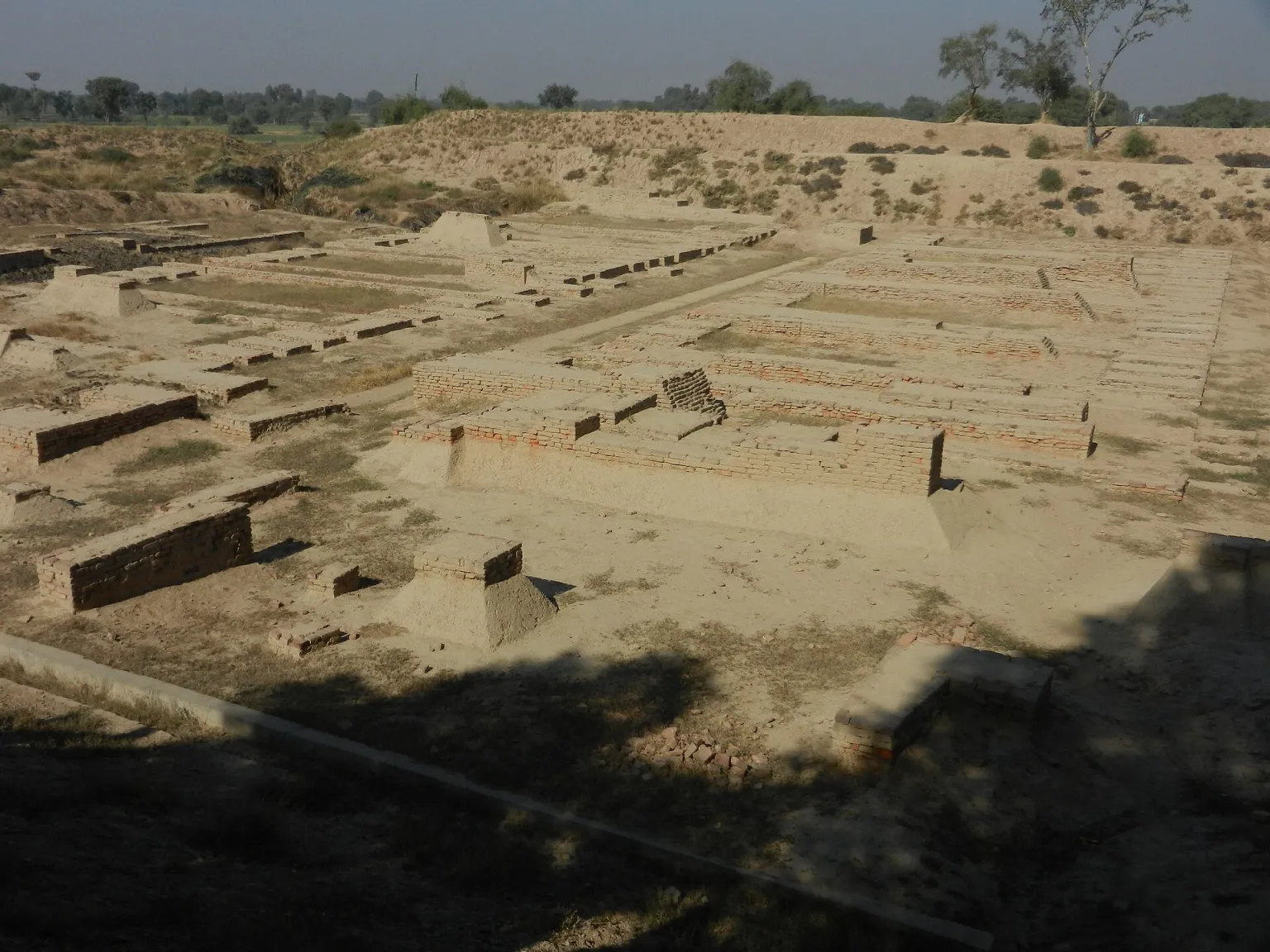
Excavated remains at Harappa, illustrating the site landscape paired with the museum visit.
Who this experience suits
Harappa rewards visitors who slow down enough to connect a small object with a large settlement. Build the day around the practical question of how an ancient city functioned rather than a checklist of famous discoveries. The museum and archaeological site are separate parts of the experience: one explains evidence and the other requires careful movement through protected ground.
Choose the actual stops
Harappa Archaeological Museum; the authorised visitor route through the archaeological site; an arranged rest outside the protected remains.
The main activity
Use museum labels to identify a domestic or working object, then consider what it might reveal about craft, exchange or everyday routines. Outdoors, look for what a site plan helps you understand about space. Do not assume every visible wall is complete, original to one period or fully interpreted.
The challenge at an archaeological site is imagining a lived place without filling every gap with fantasy. Ask which features are directly visible and which are reconstructed through excavation plans or interpretation. A low surviving wall may once have belonged to a substantial building, but its appearance today cannot by itself establish height or function. Use staff guidance and published plans to keep the distinction clear.
Explore the places and guides mentioned
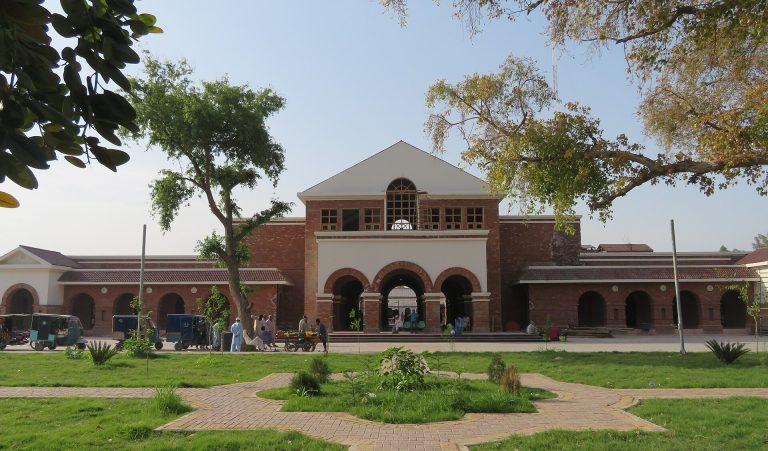
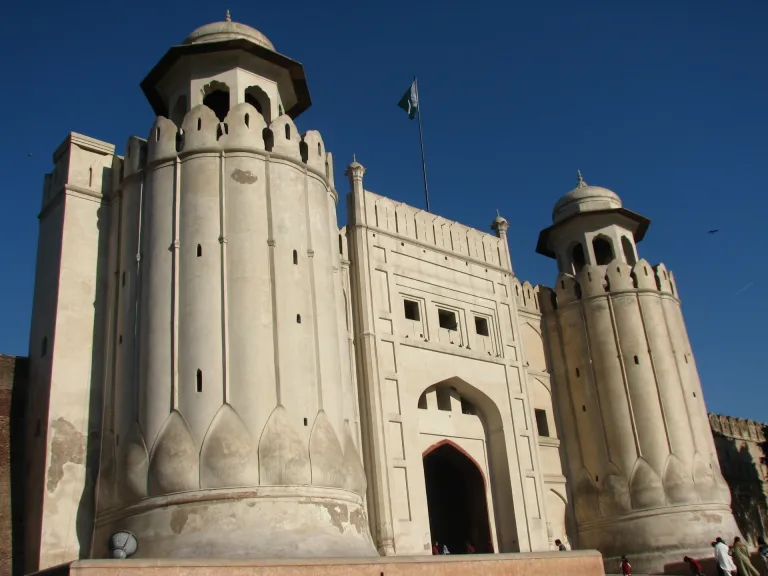
Photographs show the linked places or guide subjects. Open each page for its own visiting and planning information.
A realistic suggested sequence
Base the excursion on a realistic transfer from Sahiwal or another overnight stop. Visit the museum first if open, rest, then take a limited site walk along the route staff recommend. Return before heat or fatigue turns observation into a rushed crossing of exposed ground.
Make the experience more rewarding
A practical family activity is to compare the needs of an ancient settlement with those of a town now: water, movement, work and waste all require space and organisation. Choose one of those needs and look for the museum’s evidence. Do not assume that a modern-looking object proves uninterrupted practice across thousands of years. Continuity needs evidence too. After the site walk, ask everyone to name one fact they learned and one uncertainty that remains. Leaving a question open is a more responsible response than repeating a dramatic explanation that the evidence does not support.
Before entering, choose one urban question: how goods were made, how people moved or how a settlement organised daily needs. The museum can supply evidence that an exposed site alone may not make legible. Let the current displays determine which question is most productive. Do not insist on finding a famous object mentioned in an unrelated museum or assume every discovery from Harappa remains on public display here.
During the site component, use the authorised plan to orient yourself and identify the route back. A reconstruction drawing, an excavated feature and modern protective work serve different purposes. Ask the guide to distinguish them. Avoid assigning a function to a wall simply because its shape resembles a familiar modern building. If the group is hot or tired, shorten the walk rather than cutting across remains to save time.
A useful final discussion compares one object with one spatial feature, using only connections supported by the interpretation. Ask what the two together explain and what they leave unresolved. This produces a coherent learning exercise without requiring a sweeping claim about every aspect of the ancient city. Keep photographs and notes labelled with their actual museum or site location so the record remains useful after the journey.
Getting there and returning
Use the museum and archaeological-site location rather than Harappa railway station alone as the destination. If arriving by rail or bus, confirm a local onward connection and return option. A dedicated car should include waiting time, and the driver should know which approved entrance is being used.
Season and weather decisions
Cooler months are generally better for the outdoor component. In hot weather, minimise the exposed section. Rain can affect ground conditions and access, so check recent local advice.
Families, comfort and preparation
The museum and site may present different access barriers. Ask about ramps, toilets and the surface of the proposed outdoor path. For visitors unable to walk the ruins, make the indoor interpretation a complete outing.
Bring a hat, water, stable shoes and a simple site plan if available. Avoid bulky bags in galleries and keep food away from archaeological remains.
Costs to check before committing
Ask whether museum and site access use one ticket or separate tickets and whether a guide can be arranged through the responsible authority. Budget for the return road journey and water or food outside protected areas. A low entry charge can hide a substantial transport cost when travelling from far away. Make the excursion fit an existing Sahiwal stay where possible rather than assuming an advertised cheap ticket makes the whole day inexpensive.
Leave the place and people respected
Do not climb walls, pick up pottery or scratch surfaces. Leave fragments exactly where they are and ask staff how to report anything noticed on the path.
Continue planning your trip
Frequently Asked Questions
Should the museum or ruins come first?
The suggested sequence starts with the museum for context, but current opening and weather may require a change.
Can children pick up pottery fragments?
No. Leave archaeological material in place and use sketches or permitted photographs instead.
Is a museum-only visit worthwhile?
Yes. It can fully support the urban-evidence activity when the outdoor route is unsuitable.
How we know this
- Type Practical guide
- Sources 3 (3 official/academic)
- Reviewed October 2026
- Disputed points None
Rules and fees change, confirm with the official links below before you act.
3 sources
- Harappa, Department of Archaeology & Museums
- Archaeological Museum, Harappa, Sahiwal, Department of Archaeology & Museums
- Archeological Sites, Government of Punjab
Photo credits (3)
- View of Granary and Great Hall on Mound F - Archaeological site of Harappa.jpg, Muhammad Bin Naveed, CC BY-SA 3.0, via Wikimedia Commons
- SahiwalStation.jpg, Torbenbrinker, CC BY-SA 4.0, via Wikimedia Commons
- Alamgiri Gate - Main entrance to Lahore Fort.jpg, S.hassanjawad, CC BY-SA 3.0, via Wikimedia Commons
