
Travel essentials
Food Allergies in Pakistan: A Travel Preparation Checklist
Prepare for Pakistan travel with food allergies through clinician advice, clear chef cards, kitchen questions and a realistic emergency plan.
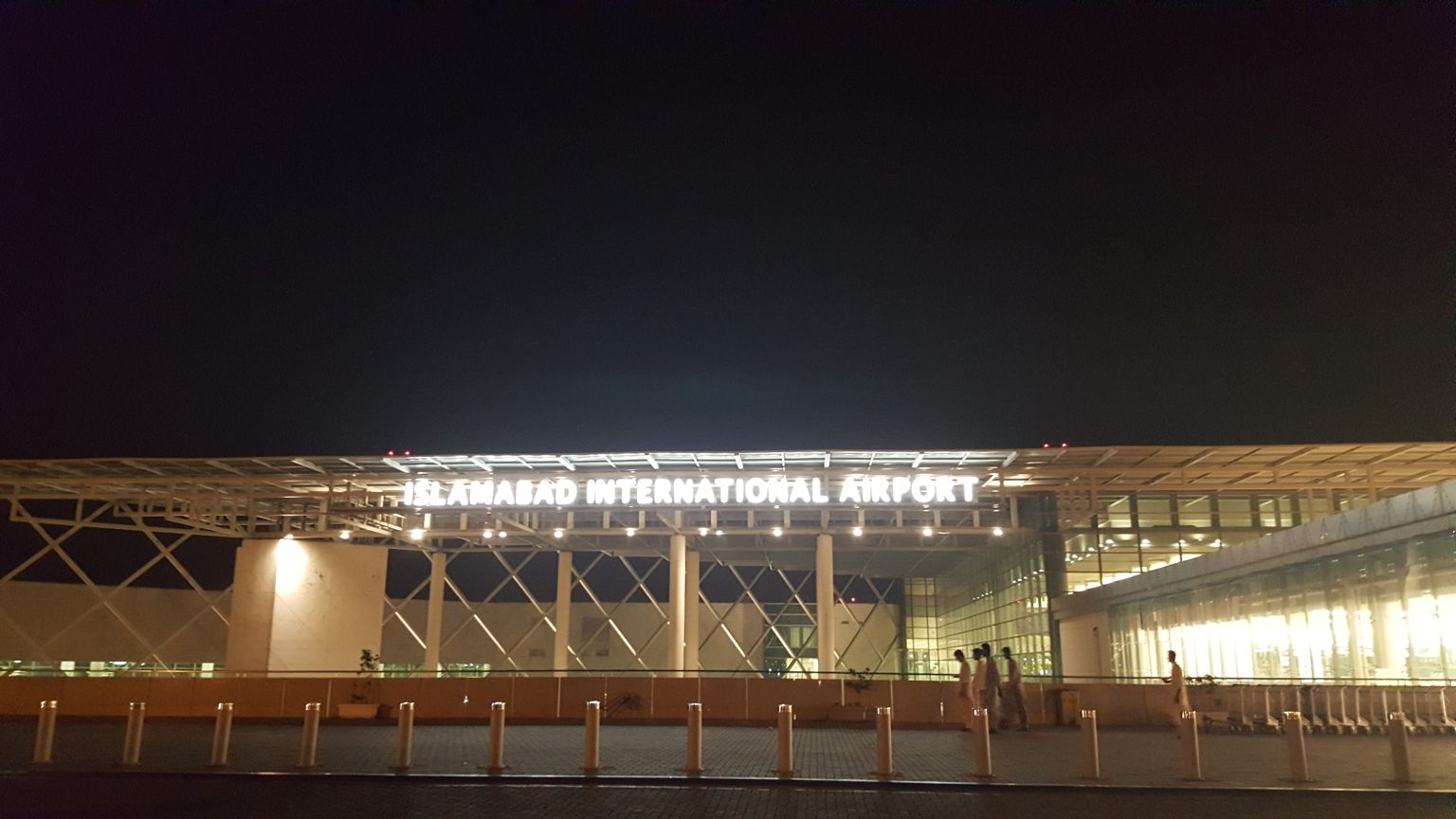
Islamabad International Airport, photographed in 2019; illustrative image, not a current facilities report.
Plan for your allergy, not a general diet label
A food allergy requires a different conversation from a preference for vegetarian food or less spice. Start with your treating clinician and describe the actual Pakistan itinerary, including flights, road transfers and remote stays. Review your personalised emergency plan, prescribed treatment and any limitations on the activities or locations you are considering. This article does not determine whether a destination or dish is safe for you.
FARE and FAACT provide practical guidance on travel, chef cards and communicating with restaurants. Use those resources to prepare specific questions. A restaurant's willingness to help is useful, but it does not establish that the kitchen can prevent the exposure relevant to your allergy. Build a plan that lets you decline a meal when the answers are uncertain.
Prepare a clear written explanation
Carry an allergy card naming the exact allergens and explaining the need to avoid cross-contact, based on your clinician's advice. Have any translation checked by a fluent person who understands the medical meaning. An automatic translation of a food name may be ambiguous, and a broad statement such as no nuts may not communicate the full requirement.
Give the card to the person responsible for the kitchen and ask for it back with the meal, as appropriate. Keep several copies and an offline version. Tell travel companions what you need them to communicate if you cannot do so. Avoid treating a translated card as a guarantee: it supports a conversation and consistent information, but the kitchen still needs to assess its ingredients and preparation process.
Ask about the whole preparation process
Ask the chef or manager about ingredients, garnishes, sauces, cooking fat and shared equipment relevant to your allergy. A dish name or a brief menu description cannot establish its complete recipe. Ingredients and suppliers can change, so repeat the conversation rather than assuming yesterday's answer applies indefinitely.
If staff cannot identify ingredients or explain preparation clearly, choose another arrangement consistent with your medical plan. A buffet or shared serving environment may raise different questions from a freshly prepared individual dish. Do not ask staff simply whether something is healthy or pure; those words do not describe allergen controls. Clear, specific questions are easier to answer and make uncertainty visible before the food reaches the table.
Explore the places and guides mentioned
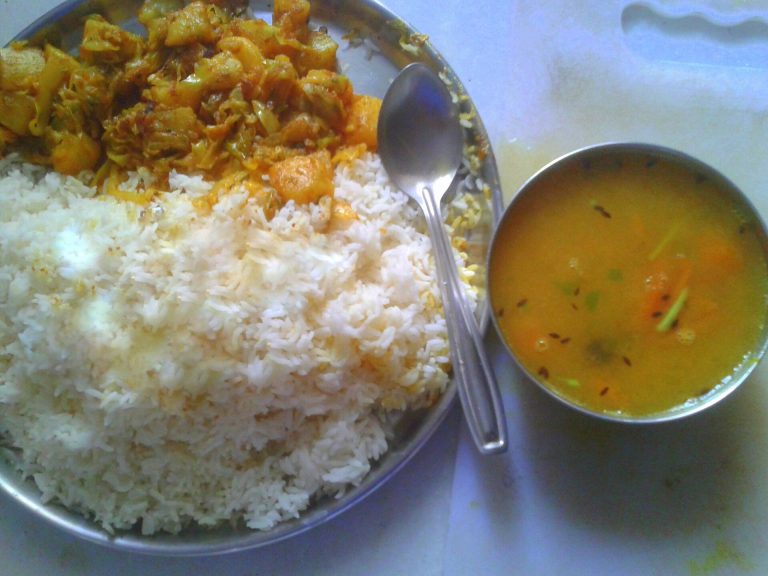
Photographs show the linked places or guide subjects. Open each page for its own visiting and planning information.
Plan flights and long transfers
Contact airlines and tour providers early with the specific allergy and ask what they can actually offer. A special meal request may address ingredients without guaranteeing an allergen-free cabin or preparation environment. Confirm the operator's wording and carry suitable food where permitted and appropriate to your medical plan.
For road travel, identify suitable stops in advance and keep a backup food supply that you know works for you. Check import and security rules for anything carried across borders or onto aircraft. A long delay can turn a modest supply into an inadequate one, so discuss a realistic buffer with your clinician. Keep emergency treatment accessible in the vehicle or cabin rather than below checked luggage.
Know where help is available
Carry your personalised action plan and prescribed emergency medication as instructed by your clinician. Tell a trusted companion how to assist and when to seek urgent medical care according to that plan. Identify appropriate medical facilities at your main bases and check how you would reach them. FCDO notes that medical facilities can be more limited in remote areas; that matters when assessing a side trip.
Ask the insurer about your condition, planned destinations and emergency arrangements. Do not assume the availability of a particular medicine or specialist service in every location. If your medical plan requires resources that cannot be confirmed, reconsider the itinerary with the clinician. A shorter route with reliable support may be more suitable than a remote excursion selected only for its scenery.
Choose accommodation that can answer questions
Before booking, ask whether the property can discuss food preparation with you directly. A kitchenette may be useful for some travellers, but confirm its equipment and whether it meets your needs rather than relying on the room category. If you prepare your own food, assess ingredients and equipment in line with your personal plan. Self-catering does not automatically remove cross-contact concerns.
Work through one example before departure: a delayed arrival after the kitchen closes. Decide what you can eat, where treatment is kept and whom you will contact if needed. That exercise exposes practical gaps more effectively than collecting lists of supposedly safe dishes. The strongest approach combines medical guidance, clear communication and the freedom to change a meal or activity when reliable information is unavailable.
Prepare a restaurant conversation in advance
Write the specific questions you need answered and practise explaining that this is an allergy rather than a taste preference. Keep the language simple and ask to speak with the person responsible for preparation. If the answer is uncertain, thank staff for explaining and use the alternative in your personal plan. Pressure to be polite or adventurous should not determine a medical decision.
Before a group tour, tell the organiser what information you need at each meal and what should happen if a stop cannot accommodate you. Ask whether meal times or locations can change, and whether suitable food you carry may be eaten at the stop where permitted. Share only the medical information necessary for practical support. After any ingredient or supplier change, reopen the conversation instead of relying on an earlier assurance. A good plan preserves the option to step back. It combines your clinician's guidance with clear kitchen communication and a realistic backup, while avoiding a false list of dishes, cuisines or restaurants labelled safe for every allergic traveller.
Sources and planning updates
Research checked on 31 October 2026. Operator terms, local conditions and individual eligibility can change. The linked sources support the factual points; itinerary examples and comparison methods are editorial planning advice.
Continue planning your trip
Frequently Asked Questions
Is a familiar dish automatically safe for my allergy?
No. Recipes, ingredients and preparation can vary. Ask the responsible kitchen staff each time and follow your clinician’s plan.
Does a chef card guarantee an allergen-free meal?
No. It helps communicate the requirement; kitchen capability and cross-contact controls still need to be assessed.
How we know this
- Type Practical guide
- Sources 4
- Reviewed October 2026
- Disputed points None
Rules and fees change, confirm with the official links below before you act.
4 sources
- Food Allergy Chef Cards, Food Allergy Research and Education
- Tips for International Travel, Food Allergy Research and Education
- Dining Out, Food Allergy and Anaphylaxis Connection Team
- Pakistan health advice, FCDO
Photo credits (3)
- Islamabad International Airport.jpg, AviatorCookie, CC BY-SA 4.0, via Wikimedia Commons
- Rice and Daal with Allo-Pyaaz Ki Sabzi.jpg, Nami Verma, CC BY-SA 4.0, via Wikimedia Commons
- Fresco Chowk BarnceRoad - panoramio.jpg, khadim-un-nabi Rao, CC BY-SA 3.0, via Wikimedia Commons
