
Places to visit
Kamran Baradari: a practical visitor guide
Visit Kamran Baradari: what to see, historical context, getting there, a realistic plan, families and official access checks.
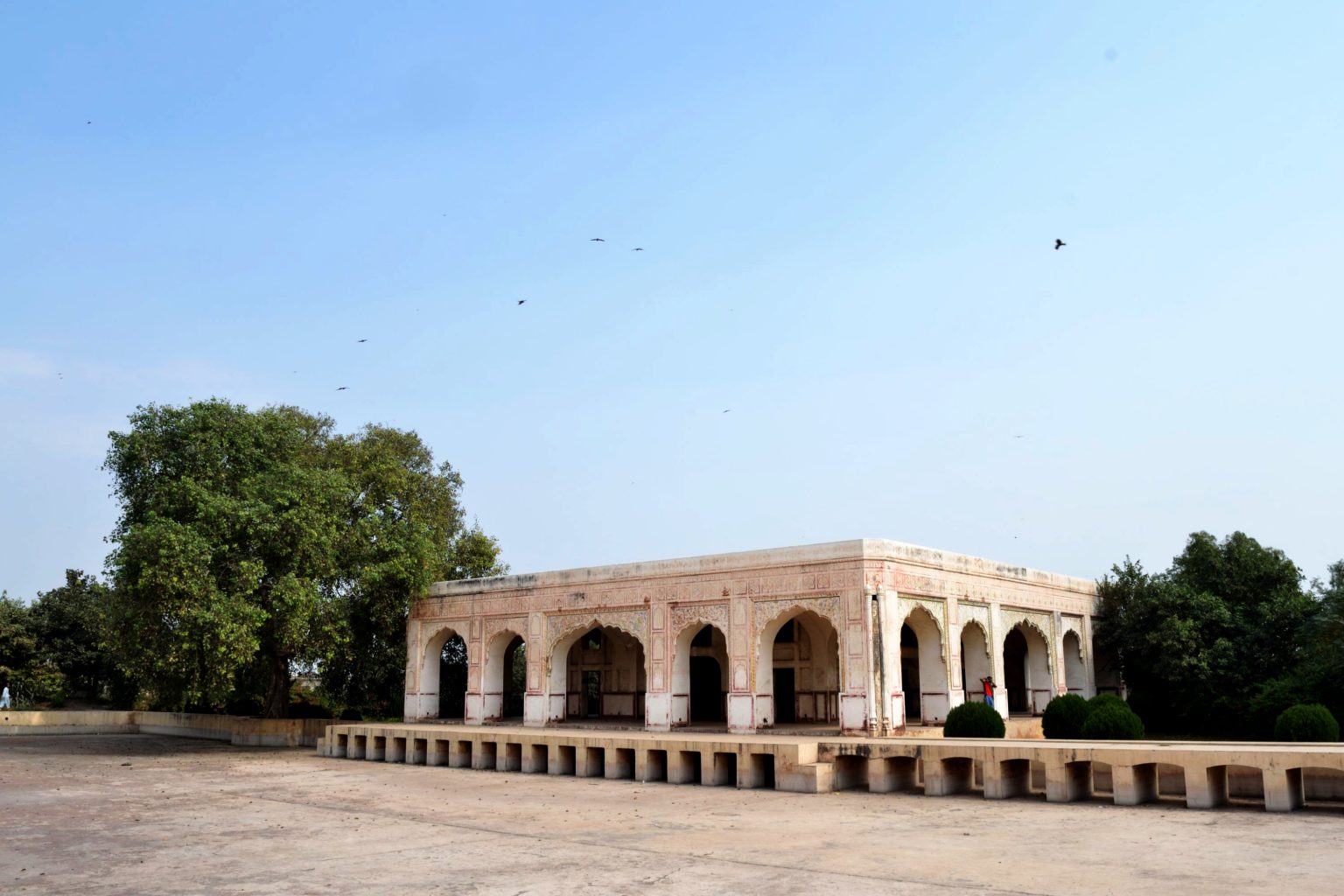
Baradari of Kamran Mirza near Lahore
A river-related monument that needs an access check
Kamran Baradari is an unusual Lahore heritage choice because the Ravi setting is inseparable from the practical visit. The Punjab government's account describes the garden as an early Mughal work whose relationship to the river changed when the channel shifted. It also describes boat access, but that general account does not establish a current boat service, safe operating conditions or admission on your chosen date. Make direct confirmation the first step. If access is confirmed through legitimate local arrangements, allow approximately an hour to ninety minutes on site as an editorial estimate, with the crossing and waiting time additional.
Use the official attraction information as your starting point for the enquiries above.
The historical core and what should remain uncertain
The provincial overview attributes the garden to Mirza Kamran, a son of Babur, and gives 1540 as its construction date. The federal inventory identifies the baradari as an early Mughal summer-house structure associated with a garden and water setting. These descriptions explain its significance without needing a romantic account of every riverside gathering. Avoid presenting all visible material as untouched sixteenth-century fabric; a surviving monument can include repairs and restoration. The useful question is how a pleasure-garden pavilion related to water, shade and a position outside the older urban centre, not whether every picturesque story about it is true.
What to look for if a visit is possible
Begin with the pavilion's position in its current landscape before concentrating on individual openings. A baradari invites attention to views through a structure as well as views of it. Compare the present river relationship with the historical garden idea, remembering that channels and banks move over time. Where the authorised route permits, examine the surviving gateway and the organisation of the immediate setting. Do not wander beyond visitor areas to reconstruct a vanished garden boundary. A historic description is not a trail map, and an attractive open bank does not establish public access or suitable ground conditions.
Explore the places and guides mentioned
Photographs show the linked places or guide subjects. Open each page for its own visiting and planning information.

The moving river is part of the historical lesson
The provincial account explains the site's changed relationship with the Ravi through a shift in the river's course. That gives the visit an environmental-history interest beyond the pavilion itself: a garden planned in relation to one bank position can acquire a different setting as a river moves. A modern photograph therefore should not be presented as an exact reconstruction of the sixteenth-century landscape.
If your confirmed visit includes interpretation about the former garden, compare that account with what is visible now and keep the two distinct in notes. A missing feature is not evidence that it never existed, while an attractive current bank is not evidence of an original design. This is also why access information ages quickly here. The heritage narrative can remain useful long after practical details about approaches and crossings need checking again; both kinds of information belong in a responsible visit plan.
Never assume a boat will be waiting
Before leaving central Lahore, ask the responsible site or local authority whether ordinary visitors are currently being admitted, the authorised approach and whether a crossing is required. If a boat is part of the current arrangement, confirm the operator, equipment, loading limits and return plan before agreeing. This guide endorses no unverified service and gives no fare. Do not improvise a river crossing because a travel page says the monument is an island. If conditions, access or an accountable return arrangement cannot be established, choose another Lahore attraction and save this visit for a better-confirmed date.
The schedule must include returning
A realistic plan starts with the last permitted return, not merely with the time you hope to arrive. Keep a buffer for waiting and any controlled approach, and do not let a late photography session dictate the crossing. Make the return meeting point explicit to every group member. Carry a charged phone but do not treat it as a substitute for an agreed plan. A museum-style estimate of time at the monument is only one component of this outing. Road travel, approach, crossing if applicable and the return all require separate consideration before it becomes a workable half-day.
A focused visit instead of a river adventure
If authorised access is available, use the initial minutes for the setting and historical orientation, then give the pavilion and visible garden features your main attention. Leave time to retrace the approved route without rushing. Keep children close and do not make unsupervised riverbank exploration an additional activity. The monument is the reason for the visit; swimming, informal boating and unknown-bank walking are not included in this guide. A shorter visit that keeps the group within the agreed arrangements is a more sensible outcome than extending the outing to justify the effort of reaching it.
Suitability for families and limited mobility
Ask specific questions before deciding whether the outing suits your group: the landing or approach surface, steps, walking distance, shade, toilets and how someone returns if they need to leave early. No step-free route, accessible boat, reliable seating or visitor facility is verified here. A family member who cannot manage an unstable transfer should not discover that problem at the bank. The right response may be to choose a different attraction. Lahore has many documented heritage sites reachable without a river crossing, and declining an unsuitable outing does not diminish interest in the monument's history.
A conditional addition to a Lahore itinerary
Read the Lahore city guide and the existing Jahangir's tomb guide for broader Lahore heritage planning, while keeping each site's access separate. Do not sell Kamran Baradari to companions as a guaranteed easy add-on to a Shahdara visit. The main editorial recommendation is conditional: visit when present access and return logistics are confirmed, and have a complete alternative when they are not. The official historical account is valuable for understanding why the site matters; it should never be mistaken for a current operating notice or a guarantee about the Ravi's conditions.
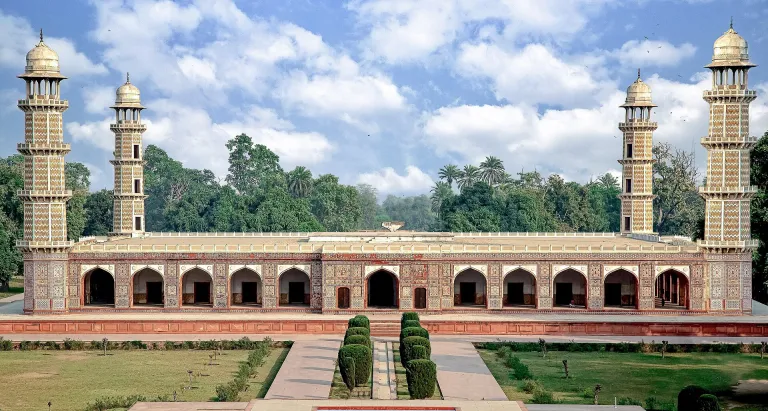
For related planning, read Jahangir’s tomb at Shahdara.
Continue planning your trip
Frequently Asked Questions
Can I definitely reach Kamran Baradari by boat?
No current service is verified. The provincial historical overview describes boat access, but you must confirm today’s authorised approach, operator and return arrangement.
How much time should I allow?
An hour to ninety minutes on site is an editorial estimate if access is confirmed. Travel, approach and any crossing require additional time.
Is it suitable for a wheelchair or small children?
No complete accessible route or transfer arrangement is verified. Ask detailed questions about the current approach and facilities before deciding.
What if access cannot be confirmed?
Choose another Lahore attraction. Do not improvise a crossing or treat a general historical description as permission to enter.
How we know this
- Type Travel guide
- Sources 2 (2 official/academic)
- Reviewed October 2026
- Disputed points None
Rules and fees change, confirm with the official links below before you act.
2 sources
- Kamran Baradari — official information, Government of Punjab
- Mirza Kamran Baradari heritage inventory, Department of Archaeology and Museums, Government of Pakistan
Photo credits (3)
- Baradari Shot of Kamran Mirza.JPG, Rohaan Bhatti, CC BY-SA 3.0, via Wikimedia Commons
- Night View of Badshahi Mosque (King’s Mosque).jpg, Muhammad Ashar, CC BY-SA 3.0, via Wikimedia Commons
- Tomb of Emperor Jahangir.jpg, Tahsin Shah, CC BY-SA 4.0, via Wikimedia Commons
