
History · Event
8 October 2005: The Kashmir Earthquake
A magnitude 7.6 earthquake flattened towns from Muzaffarabad to Balakot on a Ramazan morning, and led to a massive rebuilding effort and new disaster institutions.
- 8 October 2005
- Magnitude 7.6
- AJK and Khyber Pakhtunkhwa
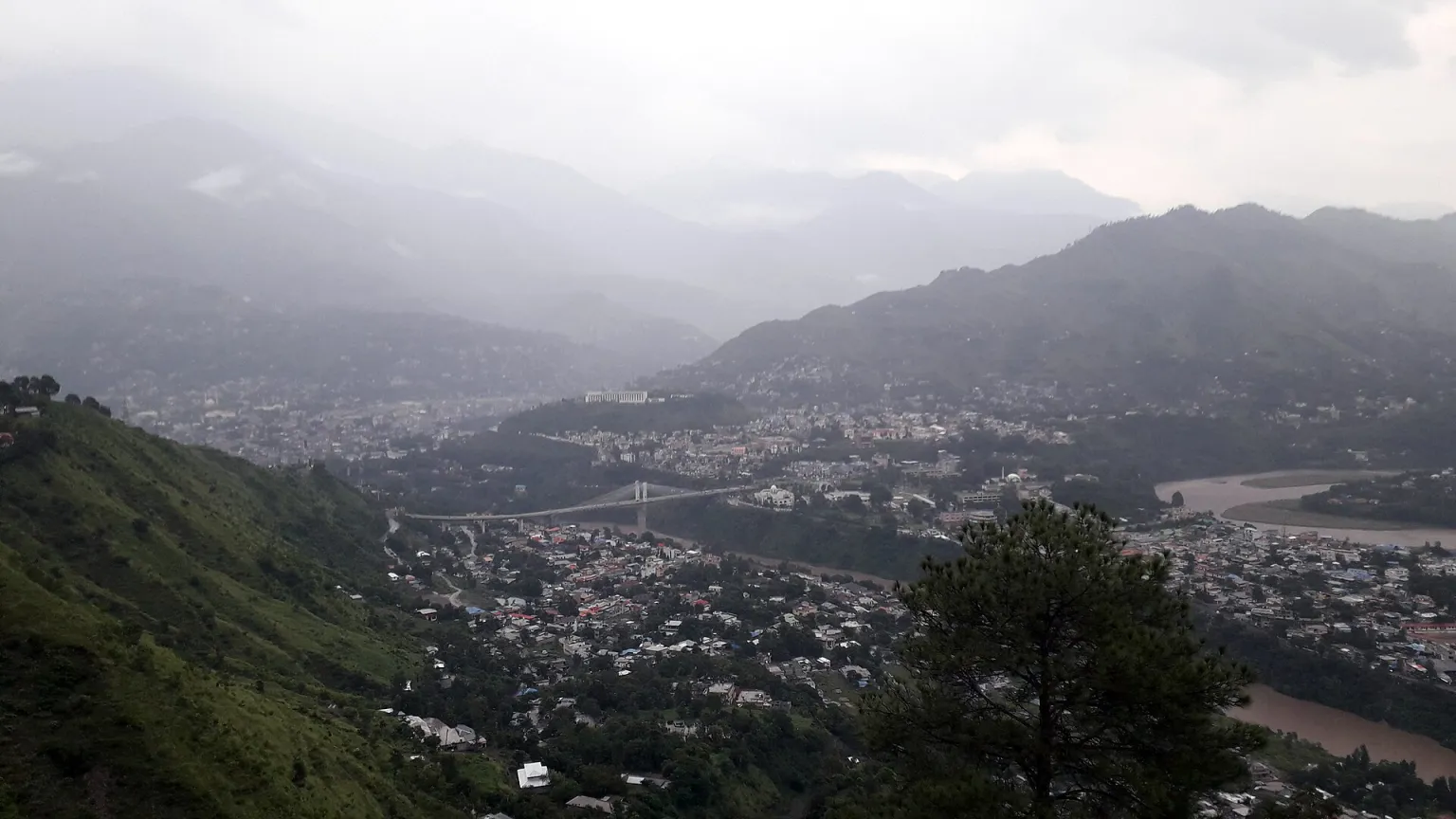
Muzaffarabad, Azad Jammu and Kashmir
- When
- 8 October 2005, 8:50 a.m.
- Certainty
- Well established
What Happened
At 8:50 a.m. local time on 8 October 2005 a magnitude 7.6 earthquake struck about 19 km north-east of Muzaffarabad, the capital of Azad Jammu and Kashmir. The shaking was felt up to 1,000 km away, and damage was reported as far away as Islamabad and Lahore.
The worst destruction was in Azad Jammu and Kashmir and in the hill districts of what was then the North-West Frontier Province (now Khyber Pakhtunkhwa). Muzaffarabad was the worst-hit area, with several villages totally destroyed, and in Balakot an estimated 90 per cent of the town was destroyed. About 6,000 schools and 574 health facilities were damaged or destroyed. Landslides blocked mountain roads, and aftershocks hampered rescuers, cutting off many villages for days as winter approached.
Death tolls differ by source: the figure most often cited from official sources is over 73,000, while other official and independent estimates range from about 78,000 to more than 87,000. Britannica reports more than 69,000 people injured in Pakistan and an estimated 3 to 4 million left homeless. More than 1,300 people were also killed on the Indian-administered side of the Line of Control.
Background
Northern Pakistan lies where the Indian plate pushes north into Eurasia, building the Himalaya and Karakoram and making the region highly earthquake-prone. Before 2005, much rural housing in the affected area was unreinforced stone or mud construction, and many public buildings, including schools, had not been built to seismic standards. Pakistan had no dedicated national body for disaster relief and reconstruction.
Timeline
8 October 2005
The earthquake
A magnitude 7.6 quake strikes at 8:50 a.m. near Muzaffarabad; aftershocks and landslides follow.
October 2005
Rescue and relief
The army, volunteers, Pakistani charities and international teams, including NATO and UN agencies, begin rescue and relief; helicopters reach cut-off valleys.
24 October 2005
ERRA founded
The Earthquake Reconstruction and Rehabilitation Authority is created to lead rebuilding in nine affected districts.
Late 2005
LoC crossings
Crossing points on the Line of Control are opened to let relief goods through.
2006–2010
Owner-driven rebuilding
Households receive cash grants in instalments to rebuild their own homes to seismic standards under ERRA inspection.
April 2010
Housing nearly complete
ERRA reports more than 400,000 rural homes rebuilt, with most schools and health projects completed or under way.
Consequences and Lessons
- It was described by the government as the most debilitating natural disaster in Pakistan's history up to that time.
- UN-Habitat officials praised the speed and quality of owner-driven reconstruction, which rebuilt about 419,000 homes in under four years, faster than comparable programmes in Aceh and Sri Lanka, according to UN-Habitat.
- Rebuilding was delayed in some areas, a concern still raised at anniversaries.
- Anniversaries are marked with remembrance ceremonies, such as prayers at the mass graves in Balakot, and calls for earthquake-resistant construction.
How We Know
The earthquake's time, magnitude and location come from seismological agencies, summarised by Britannica. Casualty and damage figures come from the Government of Pakistan and ERRA, reported by APP and UN news services (IRIN), and from assessments by the Asian Development Bank and World Bank. Figures differ by source: the toll most often cited from official sources is over 73,000 (APP; IRIN); Britannica cites an official 79,000 and other estimates of 86,000; the ADB refers to more than 78,000 deaths; a government figure of 87,350 from November 2005 is cited in reference compilations; and independent estimates reported by APP exceed 87,000. Homeless figures range from about 3 to 4 million.
Before and After
Where this moment sits in Pakistan’s story.
Before
- 2 August 2005
Gold medal
Receives the Fatima Jinnah Gold Medal in Science and Technology from Prime Minister Shaukat Aziz.
After
- 8 October 2005
The Kashmir earthquake
A magnitude 7.6 earthquake near Muzaffarabad kills an estimated 79,000 people or more in Azad Kashmir and the then NWFP and leaves about four million homeless.
Frequently Asked Questions
When did the 2005 Kashmir earthquake happen?
At 8:50 a.m. local time on 8 October 2005.
How strong was the 2005 earthquake?
It had a magnitude of 7.6, with its epicentre about 19 km north-east of Muzaffarabad.
How many people died in the 2005 earthquake?
The toll most often cited from official sources is over 73,000; other official and independent estimates range up to about 87,000. More than 1,300 people also died in Indian-administered Kashmir.
Which areas were worst affected?
Azad Jammu and Kashmir, especially Muzaffarabad, and the Hazara region of Khyber Pakhtunkhwa, including Balakot and Mansehra district.
What was ERRA?
The Earthquake Reconstruction and Rehabilitation Authority, created on 24 October 2005 to lead reconstruction, including an owner-driven housing programme that rebuilt over 400,000 homes.
Keep Exploring
Related places and stories on DailyLife.pk
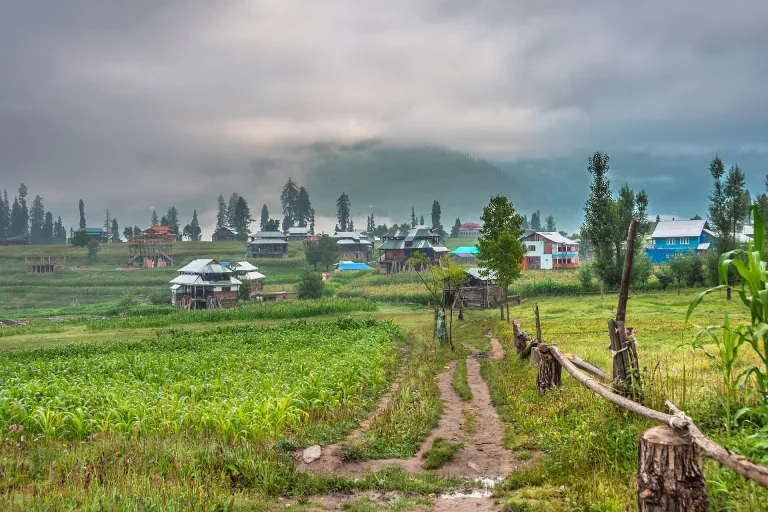 Neelum ValleyNeelum Valley travel guide: Keran, Sharda Peeth, Kel, Arang Kel, Ratti Gali Lake and Taobat
 MuzaffarabadMuzaffarabad city guide: the Red Fort, Domel confluence, Pir Chinasi, the 2005 earthquake
 MansehraMansehra city guide: Ashoka's rock edicts, Hazara University, the Pakhli plain
 Geography of PakistanPakistan's physical geography: area, neighbours, mountain ranges and 8,000 m peaks, the Indus and its plain
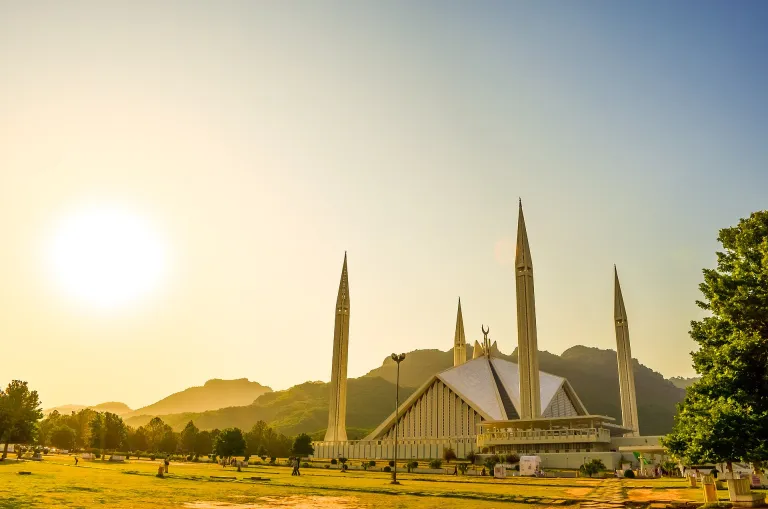 History of Pakistan since 1947Pakistan's history since 1947: Jinnah and Liaquat, constitutions of 1956, 1962 and 1973, the wars
How we know this
- Type Historical record
- Sources 5 (2 official/academic)
- Reviewed October 2026
- Disputed points None
5 sources
- Kashmir earthquake of 2005, Encyclopaedia Britannica
- Pakistan: 'Building back better' in quake zone (IRIN, 13 May 2010), PreventionWeb (UNDRR)
- Balakot remembers victims of 2005 earthquake on its 20th anniversary, Associated Press of Pakistan
- Technical assistance completion report: earthquake reconstruction (40563-013), Asian Development Bank
- 2005 Kashmir earthquake (compiled figures and seismological references, used to locate sources), Wikipedia
Photo credits (2)
- Muzaffarabad City, Azad Kashmir, Pakistan.jpg, King Eliot, CC BY-SA 4.0, via Wikimedia Commons
- Muzaffarabad - 2005 Kashmir earthquake.jpg, Timothy Smith, U.S. Navy, Public domain, via Wikimedia Commons
