
Ingredients & Spices · The complete guide
Rosemary
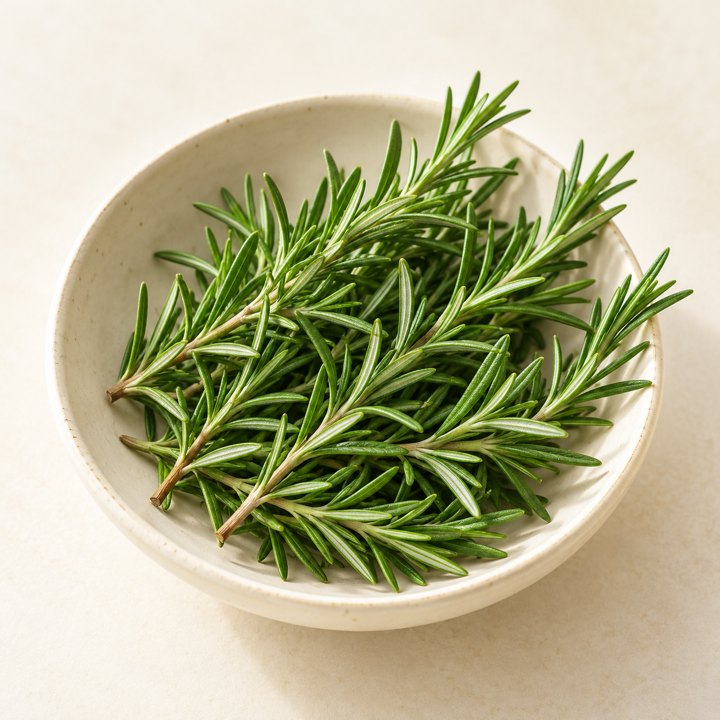
Rosemary is Salvia rosmarinus, formerly widely named Rosmarinus officinalis. Its narrow needle-like leaves have a strong resinous fragrance.
What it is and names to know
Rosemary is Salvia rosmarinus, formerly widely named Rosmarinus officinalis. Its narrow needle-like leaves have a strong resinous fragrance. It is much more assertive than parsley or soft sweet basil.
Origins, producing regions and Pakistan context
The herb is associated with Mediterranean culinary and cultural traditions. Its long use in fragrance and folk medicine should not be converted into evidence that a roasted dinner treats memory or circulation problems.
Mediterranean countries and many other regions cultivate rosemary. In Pakistan fresh sprigs may come from herb growers or garden pots; dried leaves are a common imported pantry form.
Background: Spices Board: crop and ingredient reference.
Trade context: CBI: spice production and trade context.

Types and buying advice
Choose fragrant leaf-bearing sprigs or a small dried pack. Tough stems add little edible texture and should not dominate the purchased bunch.
How to cook with it
Add a small sprig to lamb chops, roast potatoes, bread dough or chicken. Finely chop leaves if they are to be eaten, and remove woody stems from a sauce or roasting pan.
Use a light hand and pair with garlic, lemon or olive oil. Very old tough leaves can feel like needles when left whole on a plate.
For roast potatoes, chop a small amount of leaf finely and distribute it with the oil instead of leaving a dense cluster on one potato. Whole sprigs work well for infusion around a roast and can be removed. Thick stems may be woody enough to be unpleasant even after long cooking. If rosemary dominates, do not add another strong herb to compete; extend the unseasoned food and reserve additional herbs until the balance is restored.
Try the ingredient in Grilled Lamb Chops. Follow each recipes specified form and quantity, since whole pieces and fine powder season food differently.
For related pantry ingredients, see the Pakistani ingredients and spices guide.
For a simple roast, place a small intact sprig beside the food to perfume the surrounding juices, then remove the woody stem before serving. Chopped leaves are appropriate when an edible herb coating is wanted. These are different texture choices, and a whole sprig should not be minced into a finished sauce after roasting merely to avoid waste. Save sound unused fresh sprigs for another recipe rather than adding them all to one tray.
Nutrition and realistic benefits
Fresh leaves add aroma, variety and some micronutrients to food. The nutritional contribution depends on whether you eat a few garnish leaves or a substantial chopped-herb portion. They cannot replace the volume and diversity of vegetables in a meal. Their most useful everyday role is making ordinary dishes enjoyable with a fresh aromatic finish. Claims based on isolated oils, extracts or laboratory tests should not be transferred to a spoonful of chopped leaves or an everyday homemade tea.
Disadvantages and precautions
Rosemary essential oil is not a food equivalent of a sprig. Avoid concentrated products as a recipe shortcut, and use plants grown without unsuitable ornamental treatments.
Clean handling matters even for a small garnish. FDA food-safety guidance explains practical handling. Buying from a traceable food supplier is more dependable than trying to judge safety from appearance alone.
Substitutions and storage
Thyme is gentler and works with many of the same roasts. A little dried rosemary replaces fresh leaves more closely, but chop or crush it before use.
Choose sound leaves with a clear characteristic aroma, and discard rotten or slimy material. Rinse under fresh running water before use and dry gently; household soap and detergent are unsuitable for washing food. Keep most fresh herbs chilled with their moisture controlled so leaves do not sit wet. Tender basil is particularly sensitive to cold and bruising. Freezing can preserve a surplus for cooked dishes, though thawed leaves usually lose the texture needed for an attractive raw garnish.
Names and forms used in our recipes
View the recipe names covered by this guide
- fresh rosemary
Frequently Asked Questions
How should I distribute rosemary on roast potatoes?
For roast potatoes, chop a small amount of leaf finely and distribute it with the oil instead of leaving a dense cluster on one potato. Whole sprigs work well for infusion around a roast and can be removed.
What can I use instead of rosemary?
Thyme is gentler and works with many of the same roasts. A little dried rosemary replaces fresh leaves more closely, but chop or crush it before use.
What is the main caution with rosemary?
Rosemary essential oil is not a food equivalent of a sprig. Avoid concentrated products as a recipe shortcut, and use plants grown without unsuitable ornamental treatments.
Keep Exploring
Related places and stories on DailyLife.pk

How we know this
- Type Explainer
- Sources 4 (1 official/academic)
- Reviewed November 2026
- Disputed points None
4 sources
Photo credits (1)
- I-11 Sabze Mande, Islamabad.jpg, Pakieditor, CC BY-SA 4.0, via Wikimedia Commons
