
Mutton Handi
مٹن ہانڈی
Rich, creamy and full of flavour
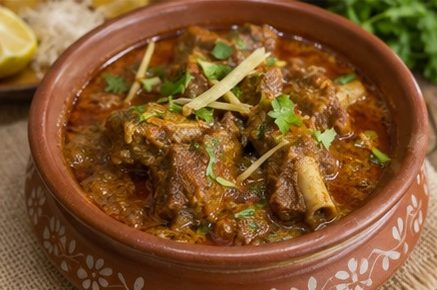
Tender mutton slow-cooked in a tomato-onion gravy finished with yoghurt, cream and kasuri methi, ready in about 2 hours 10 minutes
One tablespoon = 15 ml; one teaspoon = 5 ml.
About Mutton Handi
Mutton handi is a classic Pakistani dish of tender mutton cooked in a rich, aromatic tomato-onion gravy and finished with yoghurt, fresh cream and a blend of traditional spices. It takes its name from the handi, the clay or heavy-bottomed pot it is slow-cooked in.
Long, gentle cooking develops deep flavours and a silky texture, while the yoghurt and cream go in only once the meat is tender, over low heat so they do not curdle. Crushed kasuri methi adds the final aroma. It is perfect for family gatherings and special occasions.
Kitchen testing has not been documented for this recipe. Cooking times are estimates and vary with the stove, cookware and batch size. Follow the doneness checks in the method.
Make it work for your kitchen
Also known as Mutton handi recipe, Gosht handi, Handi gosht.
Original quantities serve 4. Cooking times, pan size and frying-oil depth do not scale, cook in extra batches instead.
Before you start
Prepare the mutton
Wash the mutton and pat it dry. Cut it into medium pieces if it is not already cut.
PreparationPrepare the vegetables
Slice the onions, chop the tomatoes and slit the green chillies. Keep everything ready.
PreparationMeasure the spices
Measure all the spices and keep them aside. Whisk the yoghurt well.
PreparationPrepare paste and garnish
Make the ginger-garlic paste if it is not ready, then chop the fresh coriander and julienne the ginger for the garnish.
Preparation
Step-by-step cooking method
1 Fry the onions / Add ginger-garlic paste
Heat the oil or ghee in a large handi or heavy pot. Add the sliced onions and fry until golden brown. Add the ginger-garlic paste and cook for 1-2 minutes until the raw smell disappears.
2 Sear the mutton
Add the mutton pieces and cook for 5-7 minutes until the meat changes colour.
3 Add tomatoes and spices
Add the chopped tomatoes and the dry spices: salt, red chilli powder, turmeric, coriander powder and cumin powder. Mix well and cook for 5-7 minutes.
4 Add water and slow cook / Check and stir
Add 2-3 cups of hot water, mix well and bring to the boil. Cover and cook for 1-1.5 hours, or until the mutton is tender. Check occasionally and stir. If needed, add a little more hot water.
5 Add the yoghurt
Once the mutton is tender and the gravy has thickened, add the whisked yoghurt and cook for 5-7 minutes.
6 Add cream and kasuri methi
Add the fresh cream, crushed kasuri methi, garam masala, crushed black pepper and green chillies. Mix gently and cook for another 5 minutes until the oil separates.
7 Adjust the seasoning / Garnish
Adjust the salt and spices to taste and stir in the lemon juice. Garnish with fresh coriander, julienned ginger and extra green chillies if you like.
8 Rest / Serve
Let the handi rest for 5 minutes to enhance the flavours. Serve hot with naan, roti or steamed rice.
Chef’s tips
- Use fresh, good-quality bone-in mutton for the best results.
- Slow cooking makes the meat tender and develops deep flavour; a traditional clay handi gives an authentic taste.
- Whisk the yoghurt well and add it on low heat.
- Crush the kasuri methi between your palms before adding for maximum aroma.
- For a richer taste, add a little butter at the end.
- Mutton handi tastes even better the next day.
Common mistakes & quick fixes
- Tough mutton
- Cook it longer on low heat.
- Watery gravy
- Simmer uncovered to reduce.
- Yoghurt curdling
- Add it on low heat and whisk it well first.
- Bland taste
- Adjust the salt and spices.
- Oil not separating
- Cook until the oil separates.
- Too spicy
- Reduce the red chilli and balance with yoghurt or cream.
Variations & serving ideas
Thicker handi: Reduce uncovered after the meat is tender; stir frequently to keep the rich sauce from catching.
Milder handi: Reduce chilli while retaining the aromatics. Adjust seasoning only after reducing the sauce.
Perfect result check
| Mutton | Tender and juicy, coming away from the bone. |
|---|---|
| Gravy | Thick, creamy and silky, with oil separating at the edges. |
| Aroma | Rich, with a clear note of kasuri methi. |
| Taste | Deeply savoury and balanced, with gentle heat. |
Storage & reheating
| Refrigerator | Up to 3 days in an airtight container | The flavour improves overnight. Reheat gently on low heat with a little warm water so the cream does not split. |
|---|---|---|
| Freezer | Up to 1 month | Cream-based gravies may separate slightly after freezing; stir well while reheating. |
Nutrition information
Estimated per serving · per serving
- Calories
- 430 kcal
- Protein
- 32 g
- Carbohydrates
- 8 g
- Fat
- 30 g
- Fibre
- 2 g
- Sugar
- 4 g
- Sodium
- 720 mg
Values are approximate and vary with the ingredients used.
Know when to change the heat
| Stage | Heat | What to look for |
|---|---|---|
| Onions and masala | Medium heat | Onions golden brown; tomatoes cooked into the spices. |
| Slow cooking | Low heat, covered | Mutton tender and gravy thickened after 1-1.5 hours. |
| Yoghurt and cream | Low heat | Gravy creamy and smooth, with oil separating. |
Helpful answers before you cook
What is a handi?
A handi is a deep clay or heavy-bottomed pot. It holds heat evenly, which suits slow-cooked curries like this one.
Which cut of mutton is best for mutton handi?
Bone-in leg or shoulder pieces give the best flavour and stay juicy during slow cooking.
How do I stop the yoghurt from curdling?
Whisk it well and add it on low heat, only after the mutton is tender and the gravy has thickened.
What does kasuri methi add?
Dried fenugreek leaves add a warm, slightly bitter aroma. Crush them between your palms before adding.
Can I make mutton handi ahead?
Yes. It tastes even better the next day. Reheat gently on low heat with a little warm water.


