
Ingredients & Spices · The complete guide
Khoya (Mawa)
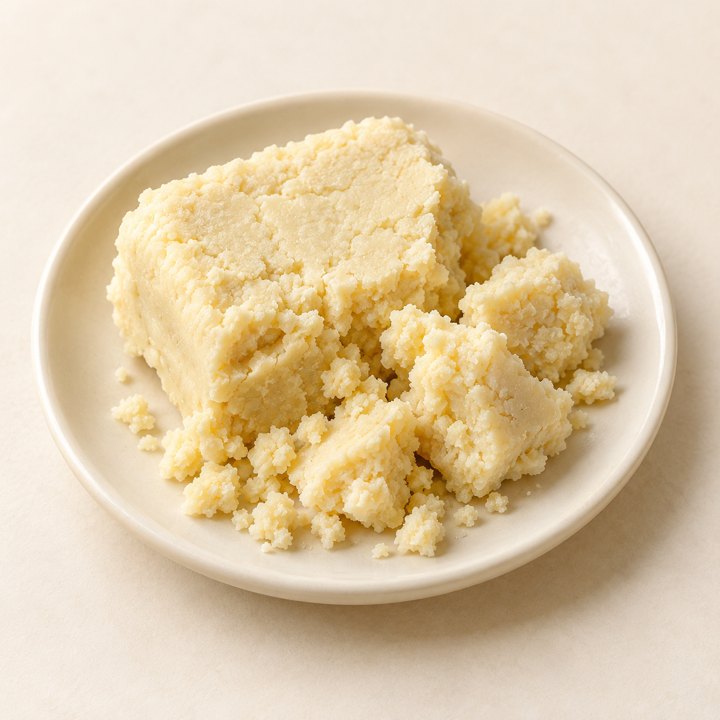
Khoya, also called mawa, is milk concentrated by slow heating until much of the water evaporates and a dense mass of milk solids remains. It is not the same as milk powder.
What it is and what to ask for
Khoya, also called mawa, is milk concentrated by slow heating until much of the water evaporates and a dense mass of milk solids remains. It is not the same as milk powder.
Ask whether it is unsweetened and how recently it was prepared. A sweetened bakery filling or vegetable-fat mixture is not equivalent to plain milk khoya.
History, production and the Pakistan context
Khoya belongs to South Asian milk-concentration and sweet-making traditions. Different moisture levels developed for different mithai, rather than from a single documented invention.
Pakistan and India produce khoya in dairy and confectionery networks. Local fresh production is common, but freshness and milk authenticity require a trustworthy supplier.
How to use it successfully
Crumbly khoya suits some fillings and sweets, while softer khoya blends more readily into halwa. Cook over controlled heat and stir to prevent scorching; a burnt bottom taints the whole batch.
The amount of moisture left in khoya determines how it behaves in sweets. A drier mass can be grated or crumbled; a soft one may need further gentle reduction. If a sweet is not setting, first consider the khoya's water content instead of adding large amounts of sugar, which changes flavour and may not solve the structural problem.
Nutrition, benefits and limits
Khoya concentrates milk nutrients and energy. It is perishable despite its reduced water, and sweets made from it often add substantial sugar and ghee.
Choosing a replacement
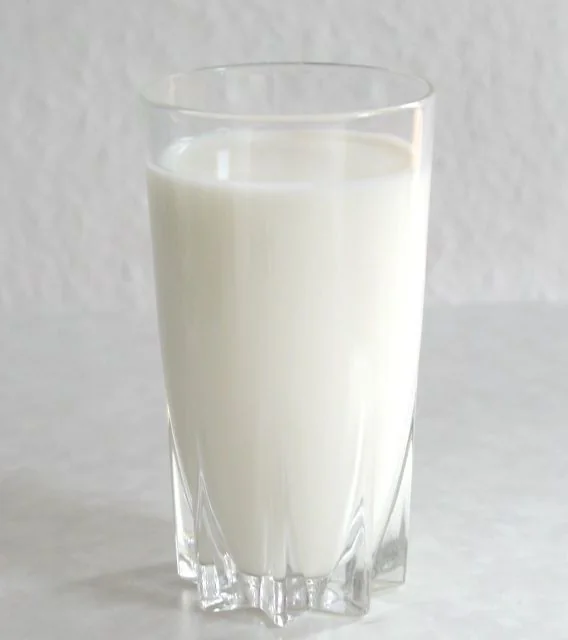
Milk powder combined with milk and fat can form a useful recipe-specific substitute, but gives a different flavour and moisture. Ricotta is wetter and requires draining and cooking adjustments.
When changing a dairy product, compare moisture, fat, acidity, sweetness and whether it must melt, whip or hold its shape. Preserve the recipe’s functional balance rather than only the spoonful count. A substitute should also meet the household’s actual dietary requirement; similar texture does not establish identical allergen suitability.
Safe handling and storage
Milk concentration improves keeping properties in some forms, but khoya and dry powder are not interchangeable storage categories. Fresh khoya needs prompt refrigeration and a short use period from a reliable supplier. Milk powder needs a cool dry sealed environment and a dry scoop; once reconstituted it must be handled as a perishable liquid.
Keep dairy solids away from steam and raw-food preparation. Any water used for reconstitution should be safe, and equipment should be clean. A powder is not necessarily sterile, while a dense block of khoya is not shelf-stable just because less water remains than in milk. Follow the actual manufacturer’s use and opening instructions rather than a general cupboard rule.
Whole, skimmed, sweetened and filled products change the fat, sugar and solids balance of sweets. Adjust the recipe deliberately, accounting for liquid as well as dry weight. Milk allergy persists through drying and concentration, and lactose remains unless the product is specifically modified and labelled. Assess the completed mithai, not only the milk ingredient, since added ghee, sugar and nuts can contribute most of the final energy.
Planning, portions and serving
Match the khoya style to the sweet: a mixture intended to be kneaded, grated or reduced further has different moisture needs. Keep sugar and fat additions measured because repeated corrections can turn a small formulation problem into an excessively sweet or greasy batch. Prepare trays or moulds before the final cooking stage so the mixture can be transferred at the right consistency. Label any leftover unsweetened khoya separately from a finished sweet filling.
Recipes and pantry links
Use khoya according to the form specified in the linked recipe: raw versus cooked, bone-in versus boneless, sweetened versus plain, and the stated cut or processing style all affect the result. The ingredient discussion above explains which differences matter most here. Read the complete recipe before shopping, then measure the prepared usable quantity rather than assuming every package has the same yield.
For related ingredient names, local terminology and flavour pairings, browse the Pakistani ingredients and spices pantry guide.
Names and forms used in our recipes
View the recipe names covered by this guide
- khoya
- unsweetened khoya
Frequently Asked Questions
Why does one batch of khoya make softer sweets than another?
Residual moisture varies. A soft khoya can leave a sweet wetter than a dry crumbly product. Adjust reduction and recipe liquid thoughtfully rather than automatically adding extra sugar.
What should I check before buying khoya for these recipes?
Ask whether it is unsweetened and how recently it was prepared. A sweetened bakery filling or vegetable-fat mixture is not equivalent to plain milk khoya. Match the stated plain or flavoured form and read the storage directions before opening the pack.
What is a practical substitute for khoya?
Milk powder combined with milk and fat can form a useful recipe-specific substitute, but gives a different flavour and moisture. Ricotta is wetter and requires draining and cooking adjustments. Make a small test where binding, melting or a delicate final texture is central, and adjust the recipe rather than treating different ingredients as identical.
Keep Exploring
Related places and stories on DailyLife.pk

How we know this
- Type Explainer
- Sources 8 (3 official/academic)
- Reviewed November 2026
- Disputed points None
8 sources
- FAO: dairy product types and characteristics
- FAO: milk processing
- FAO: traditional milk products in developing countries
- FAO: milk and dairy products in human nutrition
- OECD–FAO: dairy production and trade context
- FDA: raw milk questions and answers
- NIDDK: lactose intolerance definition and facts
- FDA: food allergies
Photo credits (1)
- Milk glass.jpg, Stefan Kühn, CC BY-SA 3.0, via Wikimedia Commons
