
Ingredients & Spices · The complete guide
Fried anchovies
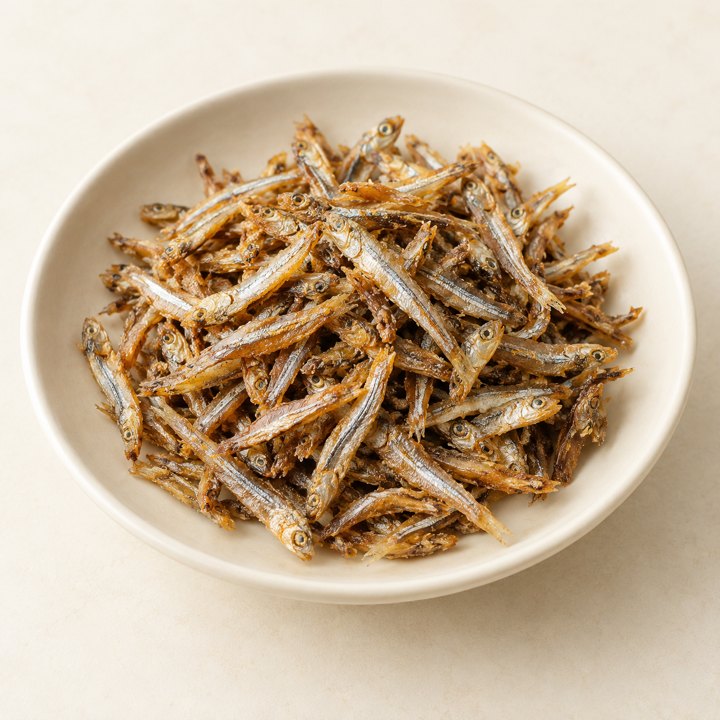
Fried anchovies are small anchovy fish cooked in oil, sometimes from fresh fish and sometimes from dried fish. They are different from salt-cured anchovy fillets sold in jars.
What it is and what to ask for
Fried anchovies are small anchovy fish cooked in oil, sometimes from fresh fish and sometimes from dried fish. They are different from salt-cured anchovy fillets sold in jars.
Choose fish labelled for human consumption with no rancid smell or damp clumping. Salted or already fried products should not receive the seasoning intended for unsalted fresh fish.
History, production and the Pakistan context
Small-fish preservation by drying and salting developed in many coastal cuisines. Frying those fish into a crisp garnish is a preparation tradition rather than a newly domesticated ingredient.
Anchovy fisheries occur off countries including Peru, Türkiye and several Southeast Asian coasts. A packet's species and processing style matter: not every tiny dried fish sold locally is an anchovy.
How to use it successfully
If starting with dried anchovies, follow the recipe's cleaning or soaking directions and dry well before frying. Cook gently enough to crisp without scorching, then drain before adding to rice or a topping.
Already fried anchovies need protection from moisture to retain crispness. Keep them separate from a wet curry until serving if crunch is important. Fresh, dried, salted and oil-packed anchovies have different preparation needs; a recipe using one cannot simply inherit the soaking or salting instructions written for another.
Nutrition, benefits and limits
When eaten whole, small fish can provide calcium from edible bones as well as protein. Fried, salted versions can carry significant sodium and oil, and fish allergy still applies.
Choosing a replacement
Other small edible fish can provide crunch, but bones and salt content differ. A cured anchovy fillet supplies a much saltier, softer umami seasoning rather than a crisp garnish.
When changing seafood, compare thickness, firmness, bones or shells and whether it is raw or already cooked. Preserve the recipe’s cooking logic rather than only its purchase weight. Ask for the actual species, because a similar market name does not establish identical allergy, mercury or nutrition considerations.
Safe handling and storage
Distinguish fresh fish, fully dried fish, salted fish and an already fried snack before applying storage advice. Fresh raw fish needs cold storage and prompt use; a sealed dry product should follow its own humidity and opening instructions. Dried does not mean safe after becoming damp, mouldy or rancid.
Use clean dry utensils for a crisp prepared topping and avoid introducing wet sauce into the storage container. Fry only a portion if the remainder needs to stay dry for another meal. Judge salt from the actual product before seasoning: a salt-cured anchovy and a fresh small fish have dramatically different effects on a recipe.
Bones may be eaten in some very small fish preparations, but their size and hardness still need checking before serving to children. Fish allergy remains relevant even in a tiny garnish or powdered seasoning. Consider the oil and sodium added during processing when assessing nutrition. Once the fish is mixed into a wet rice, sauce or salad dish, handle the complete meal as a perishable prepared food.
Planning, portions and serving
Small fried fish can act as a seasoning and texture component rather than the entire meal. Scatter over rice, vegetables or noodles just before serving if crispness is wanted. Keep the amount proportionate to any already salty sauce, and make the fish ingredient clear to guests even when the pieces are tiny. A vegetarian garnish needs a different combination of crunch and savoury flavour rather than assuming toasted breadcrumbs reproduce the same nutrition.
Recipes and pantry links
Use fried anchovies according to the form specified in the linked recipe: raw versus cooked, bone-in versus boneless, sweetened versus plain, and the stated cut or processing style all affect the result. The ingredient discussion above explains which differences matter most here. Read the complete recipe before shopping, then measure the prepared usable quantity rather than assuming every package has the same yield.
For related ingredient names, local terminology and flavour pairings, browse the Pakistani ingredients and spices pantry guide.
Names and forms used in our recipes
View the recipe names covered by this guide
- ready-fried dried anchovies
Frequently Asked Questions
Can jarred cured anchovy fillets replace crisp fried anchovies?
They provide a different result. Cured fillets are usually softer and much saltier, while crisp fried small fish contribute crunch. Adjust both quantity and seasoning or choose the preparation the recipe specifies.
What should I check before buying fried anchovies for these recipes?
Choose fish labelled for human consumption with no rancid smell or damp clumping. Salted or already fried products should not receive the seasoning intended for unsalted fresh fish. Keep the recipe’s cut and prepared weight in mind, because changing them affects cooking and serving yield.
What is a practical substitute for fried anchovies?
Other small edible fish can provide crunch, but bones and salt content differ. A cured anchovy fillet supplies a much saltier, softer umami seasoning rather than a crisp garnish. Make a small test where binding, melting or a delicate final texture is central, and adjust the recipe rather than treating different ingredients as identical.
Keep Exploring
Related places and stories on DailyLife.pk

How we know this
- Type Explainer
- Sources 6 (4 official/academic)
- Reviewed November 2026
- Disputed points None
