
Ingredients & Spices · The complete guide
Evaporated milk
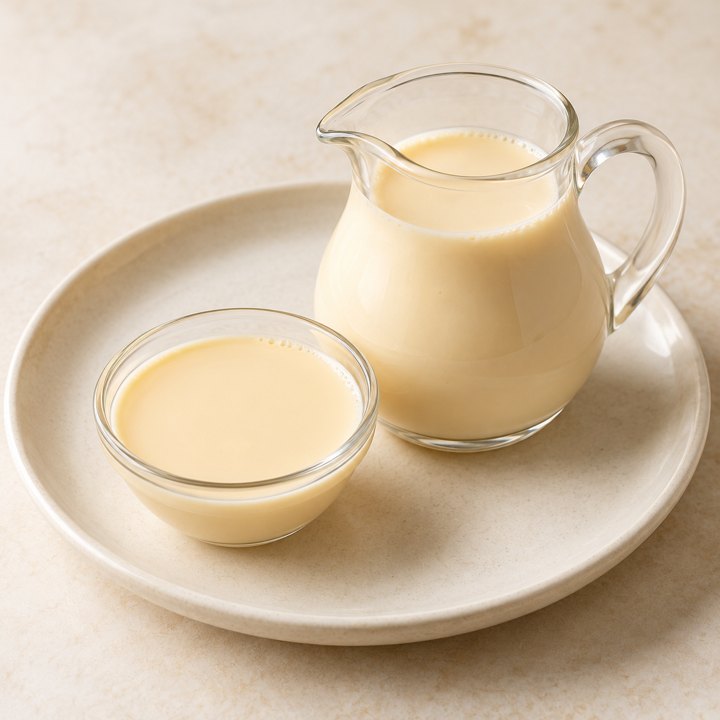
Evaporated milk is unsweetened milk concentrated by removing part of its water and heat-processing it. It is not sweetened condensed milk, even when both come in similar tins.
What it is and what to ask for
Evaporated milk is unsweetened milk concentrated by removing part of its water and heat-processing it. It is not sweetened condensed milk, even when both come in similar tins.
Choose unsweetened evaporated milk and inspect the tin. Check whether it is whole, reduced-fat or filled milk, since each affects richness and the finished texture.
History, production and the Pakistan context
Commercial evaporation and canning extended milk storage and transport during the industrial era. The lightly cooked flavour comes from processing, not fermentation.
Dairy-processing countries including Pakistan, India, the Netherlands and the United States manufacture concentrated milk products. Some products replace milk fat with vegetable fat and should be identified separately.
How to use it successfully
Use it to add milk solids and a creamy body to sauces or milk-soaked cakes. Dilution can approximate milk for certain uses, but follow the recipe or pack directions rather than assuming every brand has identical concentration.
An opened tin cannot keep like the sealed heat-processed product. Transfer leftovers to a clean covered container if that makes portioning easier, note the opening date and follow the label's refrigerated-use guidance. In a recipe that reduces milk for a long time, evaporated milk may shorten the process but brings a more cooked dairy flavour.
Nutrition, benefits and limits
It concentrates protein and calcium along with other milk components. It is not lactose-free unless labelled, and the concentration does not make it suitable for milk allergy.
Choosing a replacement
Fresh milk gives a thinner result unless reduced. Cream provides more fat and fewer milk solids relative to its richness; sweetened condensed milk introduces substantial sugar.
When changing a dairy product, compare moisture, fat, acidity, sweetness and whether it must melt, whip or hold its shape. Preserve the recipe’s functional balance rather than only the spoonful count. A substitute should also meet the household’s actual dietary requirement; similar texture does not establish identical allergen suitability.
Safe handling and storage
Use pasteurised dairy products from a reliable cold chain or correctly processed shelf-stable packs. UHT or canned products may be kept without refrigeration only while sealed and according to the label. After opening, follow refrigerated-use instructions and use clean utensils, noting the date instead of relying solely on an unopened best-before date.
Acidity, concentration and fat level explain why one dairy product may split, whip or thicken while another does not. Add to hot dishes gradually and use the heat level appropriate to the recipe. Fermented products are not a substitute for safe storage, and sourness is not a reliable test for all hazards; some dairy foods are intentionally sour while unsafe contamination can be less obvious.
Milk allergy involves proteins, whereas lactose intolerance involves difficulty digesting milk sugar. Heating, fermenting or concentrating a product does not automatically make it suitable for either condition. Compare the actual label for fat, protein, sugar and sodium, especially in sweetened or diluted products. Freeze only where appropriate for the intended use: texture may separate after thawing even when safely handled, making a cooked use more practical than whipping or drinking.
Planning, portions and serving
In a milk-soaked cake, evaporated milk contributes a cooked dairy flavour that fresh milk does not completely reproduce. In a sauce, it can add body with less richness than an equal quantity of cream, though the exact comparison depends on fat level. Measure after shaking or stirring as directed so settled solids are distributed. If a recipe specifies unsweetened milk, confirm that the similarly shaped tin has not accidentally been replaced with sweetened condensed milk.
Recipes and pantry links
Use evaporated milk according to the form specified in the linked recipe: raw versus cooked, bone-in versus boneless, sweetened versus plain, and the stated cut or processing style all affect the result. The ingredient discussion above explains which differences matter most here. Read the complete recipe before shopping, then measure the prepared usable quantity rather than assuming every package has the same yield.
For related ingredient names, local terminology and flavour pairings, browse the Pakistani ingredients and spices pantry guide.
Names and forms used in our recipes
View the recipe names covered by this guide
- evaporated milk
Frequently Asked Questions
Does an opened can still belong in the cupboard?
No. Shelf stability applies to the sealed processed product. Once opened, refrigerate in a clean covered container as appropriate and follow the producer’s after-opening limit.
What should I check before buying evaporated milk for these recipes?
Choose unsweetened evaporated milk and inspect the tin. Check whether it is whole, reduced-fat or filled milk, since each affects richness and the finished texture. Match the stated plain or flavoured form and read the storage directions before opening the pack.
What is a practical substitute for evaporated milk?
Fresh milk gives a thinner result unless reduced. Cream provides more fat and fewer milk solids relative to its richness; sweetened condensed milk introduces substantial sugar. Make a small test where binding, melting or a delicate final texture is central, and adjust the recipe rather than treating different ingredients as identical.
Keep Exploring
Related places and stories on DailyLife.pk

How we know this
- Type Explainer
- Sources 8 (3 official/academic)
- Reviewed November 2026
- Disputed points None
8 sources
- FAO: dairy product types and characteristics
- FAO: milk processing
- FAO: traditional milk products in developing countries
- FAO: milk and dairy products in human nutrition
- OECD–FAO: dairy production and trade context
- FDA: raw milk questions and answers
- NIDDK: lactose intolerance definition and facts
- FDA: food allergies
Photo credits (1)
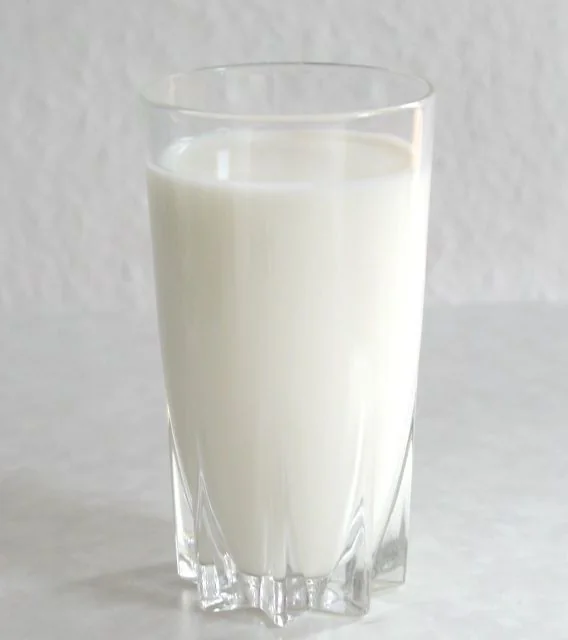
- Milk glass.jpg, Stefan Kühn, CC BY-SA 3.0, via Wikimedia Commons
