
Ingredients & Spices · The complete guide
Curry leaves
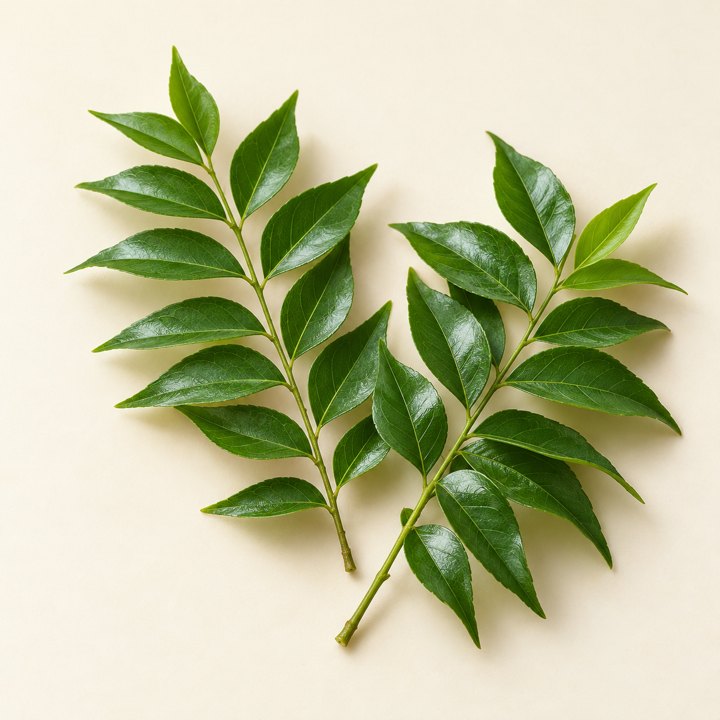
Curry leaves, curry patta, are the aromatic leaves of the curry-leaf tree, commonly recorded as Murraya koenigii and also classified as Bergera koenigii. They are not curry powder and not the grey garden plant sometimes called curry plant.
What it is and names to know
Curry leaves, curry patta, are the aromatic leaves of the curry-leaf tree, commonly recorded as Murraya koenigii and also classified as Bergera koenigii. They are not curry powder and not the grey garden plant sometimes called curry plant.
Origins, producing regions and Pakistan context
The leaf belongs to longstanding South Asian culinary traditions, especially in southern regional cooking. Its name reflects use in cooked dishes rather than a historical connection to a standard commercial curry blend.
The tree is cultivated in India and other warm South Asian locations, including home gardens. In Pakistan fresh leaves may come from local plants; dried and frozen packs provide alternatives.
Background: Spices Board: crop and ingredient reference.

Types and buying advice
Choose curry-tree leaves with their characteristic aroma, not an ornamental curry plant or a packet of curry powder. Fresh, frozen and dried forms differ.
How to cook with it
Add dry-surfaced leaves carefully to hot oil for a tadka used with dal, kadhi, fish curry or potatoes. They can also simmer briefly in a coconut sauce.
Wash ahead and pat thoroughly dry because wet leaves make oil spit. Start with a small sprig, then adjust according to freshness. Young tender leaves can be eaten when the dish suits their texture.
Prepare a tadka in a pan with room for the leaves to move. They may crackle as residual surface moisture meets hot oil, so add carefully and keep your face back. Brief frying makes them aromatic and sometimes crisp; extended blackening is undesirable. For a smoother curry, let a whole sprig infuse and remove it before serving. A dried leaf can provide some background fragrance, but increasing it dramatically will not recreate the fresh leaf.
Try the ingredient in Fish Curry, Kadhi Pakora. Follow each recipes specified form and quantity, since whole pieces and fine powder season food differently.
For related pantry ingredients, see the Pakistani ingredients and spices guide.
A curry-leaf yoghurt accompaniment can be made by cooling a small fragrant tadka before stirring it into plain yoghurt. Adding very hot oil directly to a delicate dairy mixture can splutter and change its texture. Use leaves that were washed and dried before frying. This offers a different result from simmering the same leaves in fish curry: one creates a noticeable finishing aroma, while the other integrates the fragrance into a hot sauce.
Nutrition and realistic benefits
Fresh leaves add aroma, variety and some micronutrients to food. The nutritional contribution depends on whether you eat a few garnish leaves or a substantial chopped-herb portion. They cannot replace the volume and diversity of vegetables in a meal. Their most useful everyday role is making ordinary dishes enjoyable with a fresh aromatic finish. Claims based on isolated oils, extracts or laboratory tests should not be transferred to a spoonful of chopped leaves or an everyday homemade tea.
Disadvantages and precautions
Fresh leaves can carry ordinary produce contamination. A traditional medicinal use does not establish that a few leaves control diabetes or make a rich curry healthier.
Clean handling matters even for a small garnish. FDA food-safety guidance explains practical handling. Buying from a traceable food supplier is more dependable than trying to judge safety from appearance alone.
Substitutions and storage
There is no exact substitute. A little citrus zest may give brightness, but bay leaf, basil and curry powder each lead to a different flavour.
Choose sound leaves with a clear characteristic aroma, and discard rotten or slimy material. Rinse under fresh running water before use and dry gently; household soap and detergent are unsuitable for washing food. Keep most fresh herbs chilled with their moisture controlled so leaves do not sit wet. Tender basil is particularly sensitive to cold and bruising. Freezing can preserve a surplus for cooked dishes, though thawed leaves usually lose the texture needed for an attractive raw garnish.
Names and forms used in our recipes
View the recipe names covered by this guide
- curry leaves
- fresh curry leaves
Frequently Asked Questions
Why do curry leaves spit in hot oil?
Prepare a tadka in a pan with room for the leaves to move. They may crackle as residual surface moisture meets hot oil, so add carefully and keep your face back.
What can I use instead of curry leaves?
There is no exact substitute. A little citrus zest may give brightness, but bay leaf, basil and curry powder each lead to a different flavour.
What is the main caution with curry leaves?
Fresh leaves can carry ordinary produce contamination. A traditional medicinal use does not establish that a few leaves control diabetes or make a rich curry healthier.
Keep Exploring
Related places and stories on DailyLife.pk

How we know this
- Type Explainer
- Sources 3 (1 official/academic)
- Reviewed November 2026
- Disputed points None
3 sources
Photo credits (1)
- I-11 Sabze Mande, Islamabad.jpg, Pakieditor, CC BY-SA 4.0, via Wikimedia Commons
