
Ingredients & Spices · The complete guide
Condensed milk
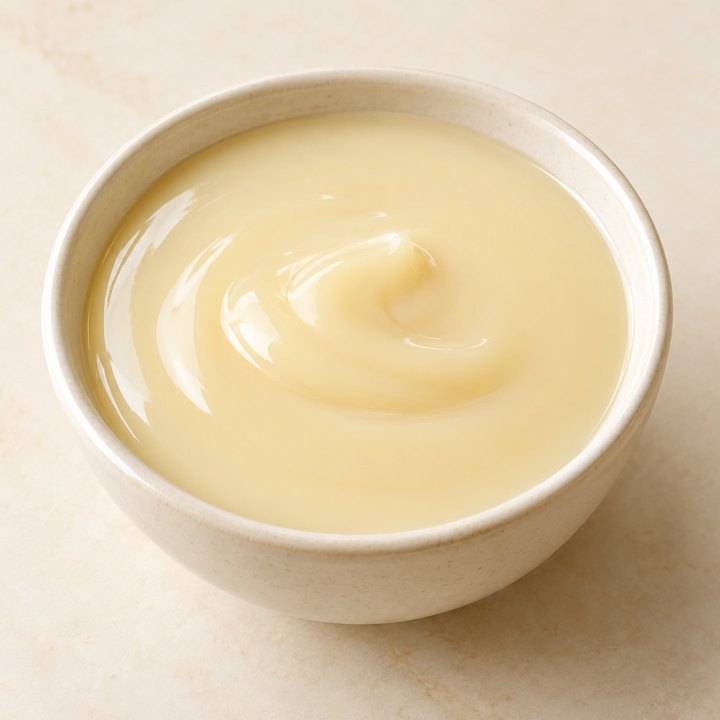
Here condensed milk means sweetened condensed milk: milk concentrated by water removal with substantial added sugar. It is different from unsweetened evaporated milk and from milk powder.
What it is and what to ask for
Here condensed milk means sweetened condensed milk: milk concentrated by water removal with substantial added sugar. It is different from unsweetened evaporated milk and from milk powder.
Check the ingredient list and can integrity. A caramel-coloured dairy spread is a different cooked product; do not assume it behaves like plain condensed milk in an uncooked soaking mixture.
History, production and the Pakistan context
Commercial sweetened condensed milk became important in nineteenth-century milk preservation and transport. Its role in desserts followed from that concentrated mixture of milk solids and sugar.
Dairy industries in Pakistan, India, Southeast Asia and other regions manufacture condensed products. Some tins use vegetable fat, so read whether the product is actual sweetened condensed milk or a filled alternative.
How to use it successfully
In tres leches cake, combine it with the other milks before pouring so sweetness is evenly distributed. It supplies both liquid and sugar, so swapping in ordinary milk can leave a dessert thin and insufficiently sweet.
Its sugar is part of the recipe's structural balance as well as its sweetness. In an uncooked filling it adds viscosity; in baked mixtures it affects browning and set. Do not heat a sealed can as an improvised caramel method. Use a tested preparation in an appropriate vessel with the lid removed or follow the manufacturer's explicit directions.
Nutrition, benefits and limits
It contains milk nutrients but is concentrated in added sugar. Use controlled portions and remember that milk allergy and lactose concerns persist despite heat processing.
Choosing a replacement
Evaporated milk plus a carefully adjusted amount of sugar can work in a deliberately reformulated recipe. Fresh milk alone is not an equal replacement because both solids and sweetness change.
When changing a dairy product, compare moisture, fat, acidity, sweetness and whether it must melt, whip or hold its shape. Preserve the recipe’s functional balance rather than only the spoonful count. A substitute should also meet the household’s actual dietary requirement; similar texture does not establish identical allergen suitability.
Safe handling and storage
Use pasteurised dairy products from a reliable cold chain or correctly processed shelf-stable packs. UHT or canned products may be kept without refrigeration only while sealed and according to the label. After opening, follow refrigerated-use instructions and use clean utensils, noting the date instead of relying solely on an unopened best-before date.
Acidity, concentration and fat level explain why one dairy product may split, whip or thicken while another does not. Add to hot dishes gradually and use the heat level appropriate to the recipe. Fermented products are not a substitute for safe storage, and sourness is not a reliable test for all hazards; some dairy foods are intentionally sour while unsafe contamination can be less obvious.
Milk allergy involves proteins, whereas lactose intolerance involves difficulty digesting milk sugar. Heating, fermenting or concentrating a product does not automatically make it suitable for either condition. Compare the actual label for fat, protein, sugar and sodium, especially in sweetened or diluted products. Freeze only where appropriate for the intended use: texture may separate after thawing even when safely handled, making a cooked use more practical than whipping or drinking.
Planning, portions and serving
For tres leches, allow the cake structure to support the soaking liquid rather than assuming more condensed milk always makes it better. Combine the milks thoroughly and add in stages as the recipe directs. A very sweet topping may be unnecessary when the soak already supplies substantial sugar. If only part of a tin is needed, measure the remainder into a clean covered container promptly so the opened tin does not sit beside the oven throughout baking.
Recipes and pantry links
Use condensed milk according to the form specified in the linked recipe: raw versus cooked, bone-in versus boneless, sweetened versus plain, and the stated cut or processing style all affect the result. The ingredient discussion above explains which differences matter most here. Read the complete recipe before shopping, then measure the prepared usable quantity rather than assuming every package has the same yield.
For related ingredient names, local terminology and flavour pairings, browse the Pakistani ingredients and spices pantry guide.
Names and forms used in our recipes
View the recipe names covered by this guide
- sweetened condensed milk
Frequently Asked Questions
Can evaporated milk directly replace condensed milk?
Not in a recipe that relies on condensed milk sweetness and thickness. Evaporated milk is unsweetened. A substitution requires adjusting sugar and sometimes liquid or solids, rather than exchanging equal volumes blindly.
What should I check before buying condensed milk for these recipes?
Check the ingredient list and can integrity. A caramel-coloured dairy spread is a different cooked product; do not assume it behaves like plain condensed milk in an uncooked soaking mixture. Match the stated plain or flavoured form and read the storage directions before opening the pack.
What is a practical substitute for condensed milk?
Evaporated milk plus a carefully adjusted amount of sugar can work in a deliberately reformulated recipe. Fresh milk alone is not an equal replacement because both solids and sweetness change. Make a small test where binding, melting or a delicate final texture is central, and adjust the recipe rather than treating different ingredients as identical.
Keep Exploring
Related places and stories on DailyLife.pk

How we know this
- Type Explainer
- Sources 8 (3 official/academic)
- Reviewed November 2026
- Disputed points None
8 sources
- FAO: dairy product types and characteristics
- FAO: milk processing
- FAO: traditional milk products in developing countries
- FAO: milk and dairy products in human nutrition
- OECD–FAO: dairy production and trade context
- FDA: raw milk questions and answers
- NIDDK: lactose intolerance definition and facts
- FDA: food allergies
Photo credits (1)
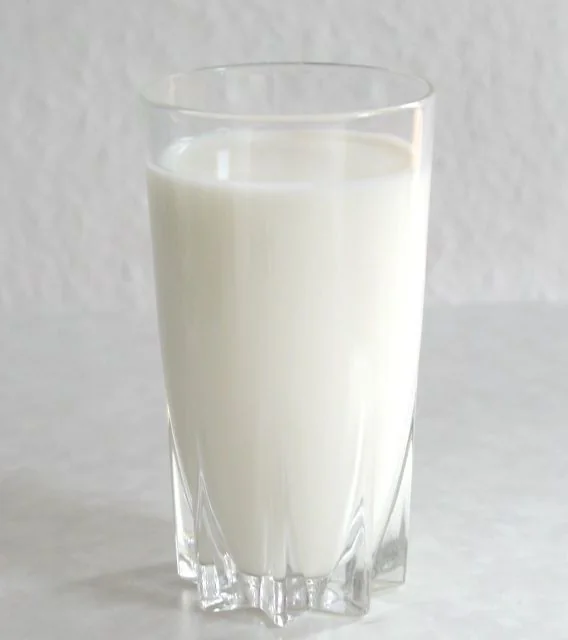
- Milk glass.jpg, Stefan Kühn, CC BY-SA 3.0, via Wikimedia Commons
