
Ingredients & Spices · The complete guide
Cashews (Kaju)
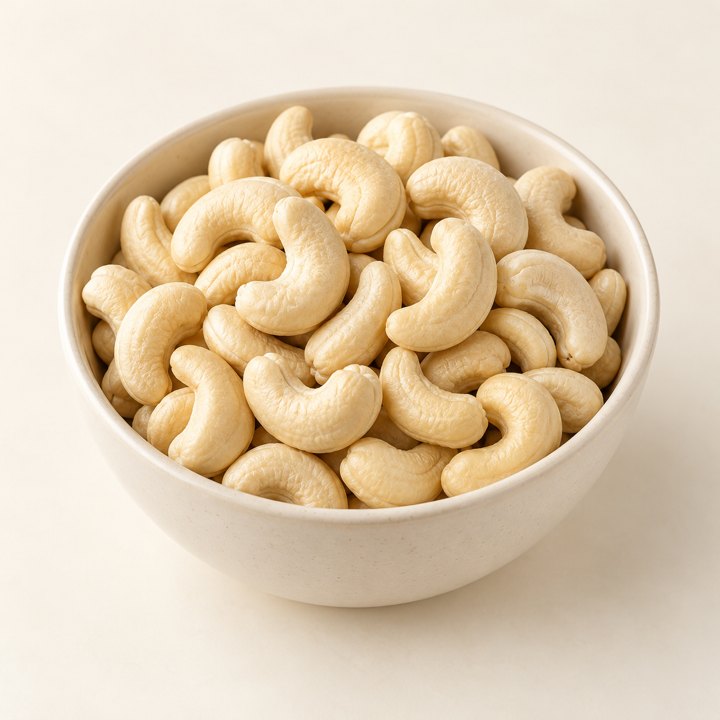
Cashews, kaju, are the edible kernels of Anacardium occidentale. They grow at the end of the fleshy cashew apple, but the familiar kernel must be removed from a shell containing irritant substances.
What it is and what to buy
Cashews, kaju, are the edible kernels of Anacardium occidentale. They grow at the end of the fleshy cashew apple, but the familiar kernel must be removed from a shell containing irritant substances. Shop-bought raw cashews have already undergone necessary processing; the term generally means unroasted kernels, not untouched nuts in their shell. Whole, split and broken grades are culinary options. Unsalted pieces are especially practical when the recipe will grind them into a paste.
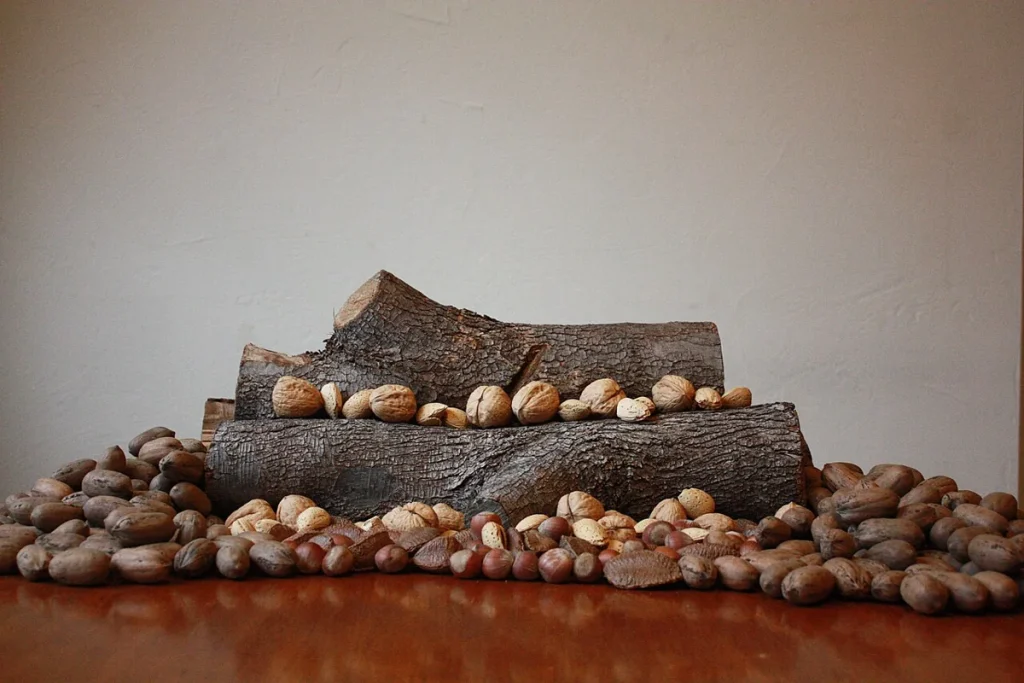
Culinary nuts are valued for their crisp bite, rich oils and ability to turn into a smooth paste. Botanical categories differ: some foods sold as nuts are seeds inside a fruit, and peanuts are legumes. Whole, split, chopped, blanched, roasted and ground forms change how quickly flavour develops and how much texture survives in a dish. A recipe asking for a pale, unsalted paste needs a different purchase from one asking for a salted snack or a bright decorative garnish.
Origins and food history
Cashew is native to tropical America, with Kew giving a range from Trinidad into tropical South America. Oxford’s botanical history describes Indigenous Brazilian use and later Portuguese movement of the tree to India by the sixteenth century. From Asia it spread more widely into Africa and other tropical regions. The plant was not discovered by a modern nut company. Its long South Asian culinary presence is a result of adoption and trade, not evidence of a Pakistani botanical origin.
Reference: Kew: cashew native range.
Growing regions, trade and Pakistan
Côte d’Ivoire, India, Vietnam, Tanzania and other tropical countries grow cashews. Vietnam and India are also major processing and kernel-exporting centres, and raw nuts can cross borders before shelling. A Vietnamese-packed kernel need not have grown entirely in Vietnam. Pakistan is a consumer market for traded cashews rather than a well-established bulk-growing origin. For buying, sound grade, unsalted processing, freshness and a traceable importer are more useful than assuming the country of final packing identifies the orchard.
Reference: CBI: cashew trade and processing.
How to prepare and cook it
Soak or simmer plain kernels as directed before blending a smooth paste for a curry. Add liquid gradually to avoid a grainy, loose mixture. Cashew paste gives body and a mild sweetness to butter chicken and Mughlai-style sauces; cook gently and stir because the thick mixture can catch. For a pulao garnish, fry or toast kernels just until golden and remove from residual heat promptly. Add them near serving if a crisp bite matters. Salted roasted snack cashews can overpower a delicate sweet or gravy.
Put this form of the ingredient to work in Petha Halwa; Kashmiri Pulao; Butter Chicken. The method in each recipe determines whether it should be raw, soaked, ground, freshly cooked or chilled before it enters the dish.
Nutrition, benefits and their limits
An unsalted nut portion contributes unsaturated fats, some protein, fibre and minerals, although the balance varies between species. Nuts are energy dense, so a small handful and a bowlful are quite different additions to a meal. They can improve dietary variety and replace some less nutritious snack choices, but are not a medicine. Sugar coatings, added salt, deep frying and the large quantities of ghee used in some sweets alter the finished food’s nutritional profile.
Allergies, disadvantages and safe handling
Tree-nut allergies can be serious. Identify the actual nut in a paste or mixed garnish rather than describing it simply as dry fruit. A substitute from another nut family is not automatically safe for an allergic diner. Whole nuts and large hard pieces also pose a choking risk for young children and people with swallowing difficulty; use an age-appropriate smooth or finely prepared form. Mouldy or rancid nuts should be discarded, not disguised with heavy roasting or spices.
Practical substitutions
Blanched almonds offer a firmer, slightly grainier paste and may need more blending. Tolerated melon seeds can thicken some gravies but change flavour. Cream adds dairy richness without the same nut solids. A substitute for an allergic diner must be checked independently; another nut is not automatically safe.
Keeping it fresh
Buy from a seller with good stock rotation and keep nuts sealed away from light, heat, moisture and strong smells. Shelled and especially ground nuts lose freshness faster than intact in-shell nuts because more oil is exposed. Refrigeration or freezing is useful in a hot Pakistani kitchen. Bring a sealed container to room temperature before opening to limit condensation. Date the packet and discard kernels that smell paint-like, bitterly stale or musty; normal colour alone does not prove freshness.
For related ingredients and shopping terms, see the Pakistani ingredients and spices pantry guide.
Names and forms used in our recipes
View the recipe names covered by this guide
- cashews
- raw unsalted cashews
- roasted cashews
- unsalted cashew nuts
- unsalted cashews
Frequently Asked Questions
Are raw supermarket cashews truly unprocessed?
No. Edible kernels have been processed to remove the shell safely. Raw on a retail packet normally means not subsequently roasted.
Can broken cashews make curry paste?
Yes. Sound unsalted pieces are often economical because the final ingredient will be blended.
Keep Exploring
Related places and stories on DailyLife.pk

How we know this
- Type Explainer
- Sources 5 (3 official/academic)
- Reviewed November 2026
- Disputed points None
5 sources
Photo credits (1)
- Pecans, hazelnuts, walnuts, almonds, Brazil nuts on a table with logs 1.jpg, Baileynorwood, CC0, via Wikimedia Commons
