
Ingredients & Spices · The complete guide
Ash gourd
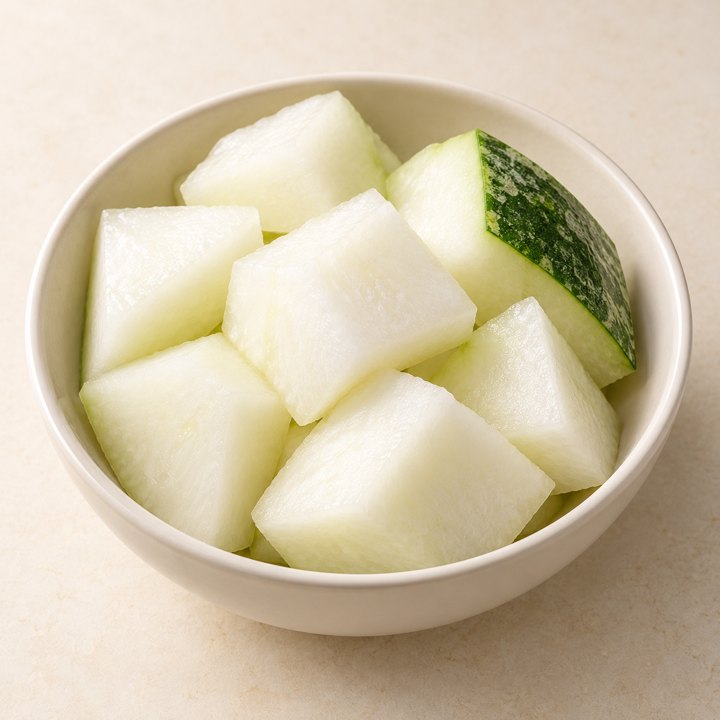
Ash gourd is Benincasa hispida, the wax gourd; often called petha or safed petha. Its eating character is very mild flesh that absorbs syrup and savoury broth.
What is ash gourd? Names, flavour and types
Ash gourd is Benincasa hispida, the wax gourd; often called petha or safed petha. Its eating character is very mild flesh that absorbs syrup and savoury broth.
The main forms to recognise are large wax-coated mature gourds and smaller tender market forms. Choose the form and ripeness specified by the recipe.
Origins, cultivation and the Pakistan market
Kew places its native range from parts of Malesia into the southwest Pacific; long cultivation in Asia complicates simple origin stories. The relevant botanical or crop background is documented in Kew — Benincasa hispida.
Growing conditions and producing countries: A warm-season trailing crop cultivated in India, China and Southeast Asia. Specialist vegetable sellers may stock whole gourds or cut wedges for sweets. Most household purchases are young fresh vegetables rather than the mature dried gourds used for other purposes. Their tenderness declines with maturity, so a recently harvested modest-sized specimen can be a better cooking choice than a very large fruit offered at the same price.

How to prepare, cook and substitute it
Peel away the hard rind, remove spongy seed tissue and grate for petha halwa; drain excess liquid before adding milk or reducing sugar
Grated ash gourd releases considerable liquid. A recipe may ask for squeezing, cooking off water, or both; follow that sequence before judging the milk and sugar quantity. Sugar draws out more moisture, so a mixture that initially looks thick can loosen again. Stir across the base while reducing it, particularly once milk solids begin to concentrate. The finished texture should come from the chosen method rather than from adding a large amount of extra ghee to a watery pan.
The amount of liquid released during cooking is often more important than the exact shape of the cut. Start a covered curry with modest added water, then assess after the vegetable has begun to soften. A wide pan helps a dry sabzi lose moisture, while a lid encourages a softer, saucier result. For grated fillings or milk sweets, use the recipe’s draining or squeezing step rather than treating it as optional. Taste a cooked piece for tenderness before reducing the sauce, so the masala does not scorch around an undercooked centre.
A useful starting substitute is bottle gourd in some milk desserts, allowing for its softer texture. Adjust the recipe for the replacement’s texture and moisture.
Buying and storing it well
Look for heavy, sound fruit; cut flesh should look firm and pale without sourness. Buy an amount that can be used while its texture is still suitable for the intended dish. Trim away ordinary damaged portions where appropriate, but reject a product showing active decay or an abnormal smell rather than hiding it in a strongly spiced preparation.
For storage, keep intact mature fruit cool and dry; wrap and refrigerate cut wedges promptly. Keep prepared portions separate from unwashed produce and raw animal foods. Use a clean covered container for cut or cooked food, and label frozen portions so the oldest batch is used first. The condition at purchase, kitchen temperature and packaging all affect keeping quality; a fixed number of days is not a guarantee of safety.
Nutrition, benefits and practical cautions
The nutritional contribution is water, a little fibre and small amounts of micronutrients. USDA FoodData Central distinguishes raw, cooked, dried and processed forms. Recipe totals must also account for added oil, cream, sugar or syrup.
Halwa is a sweet dish rather than a low-sugar vegetable serving; discard mouldy cut flesh. Its role in a balanced meal depends on portion size and preparation. Whole foods and concentrated supplements are different products and should not be treated as interchangeable.
Recipes using ash gourd
Use the linked recipes to match preparation to the finished dish. Check whether the ingredient quantity means whole purchased weight, peeled edible weight, drained weight or a cooked portion before shopping. This is especially helpful when a recipe needs a thick filling or a carefully balanced drink.
For related Urdu names, pantry ingredients and cooking combinations, see the Pakistani ingredients and spices guide.
Names and forms used in our recipes
View the recipe names covered by this guide
- ash gourd flesh
Frequently Asked Questions
How do I keep petha halwa from becoming watery?
Grated ash gourd releases considerable liquid. A recipe may ask for squeezing, cooking off water, or both; follow that sequence before judging the milk and sugar quantity. Sugar draws out more moisture, so a mixture that initially looks thick can loosen again. Stir across the base while reducing it, particularly once milk solids begin to concentrate. The finished texture should come from the chosen method rather than from adding a large amount of extra ghee to a watery pan.
How should I store ash gourd?
Keep intact mature fruit cool and dry; wrap and refrigerate cut wedges promptly.
What should I consider before serving ash gourd?
Halwa is a sweet dish rather than a low-sugar vegetable serving; discard mouldy cut flesh.
Keep Exploring
Related places and stories on DailyLife.pk

How we know this
- Type Explainer
- Sources 5 (2 official/academic)
- Reviewed November 2026
- Disputed points None
5 sources
Photo credits (1)
- I-11 Sabze Mande, Islamabad.jpg, Pakieditor, CC BY-SA 4.0, via Wikimedia Commons
