
Explore Pakistan · Family and city travel
Mohenjo-daro or Harappa: Which Indus Valley Site Should You Visit?
Compare Mohenjo-daro and Harappa for location, archaeology, museums, family visits and trip planning, with the correct UNESCO status and realistic expectations.
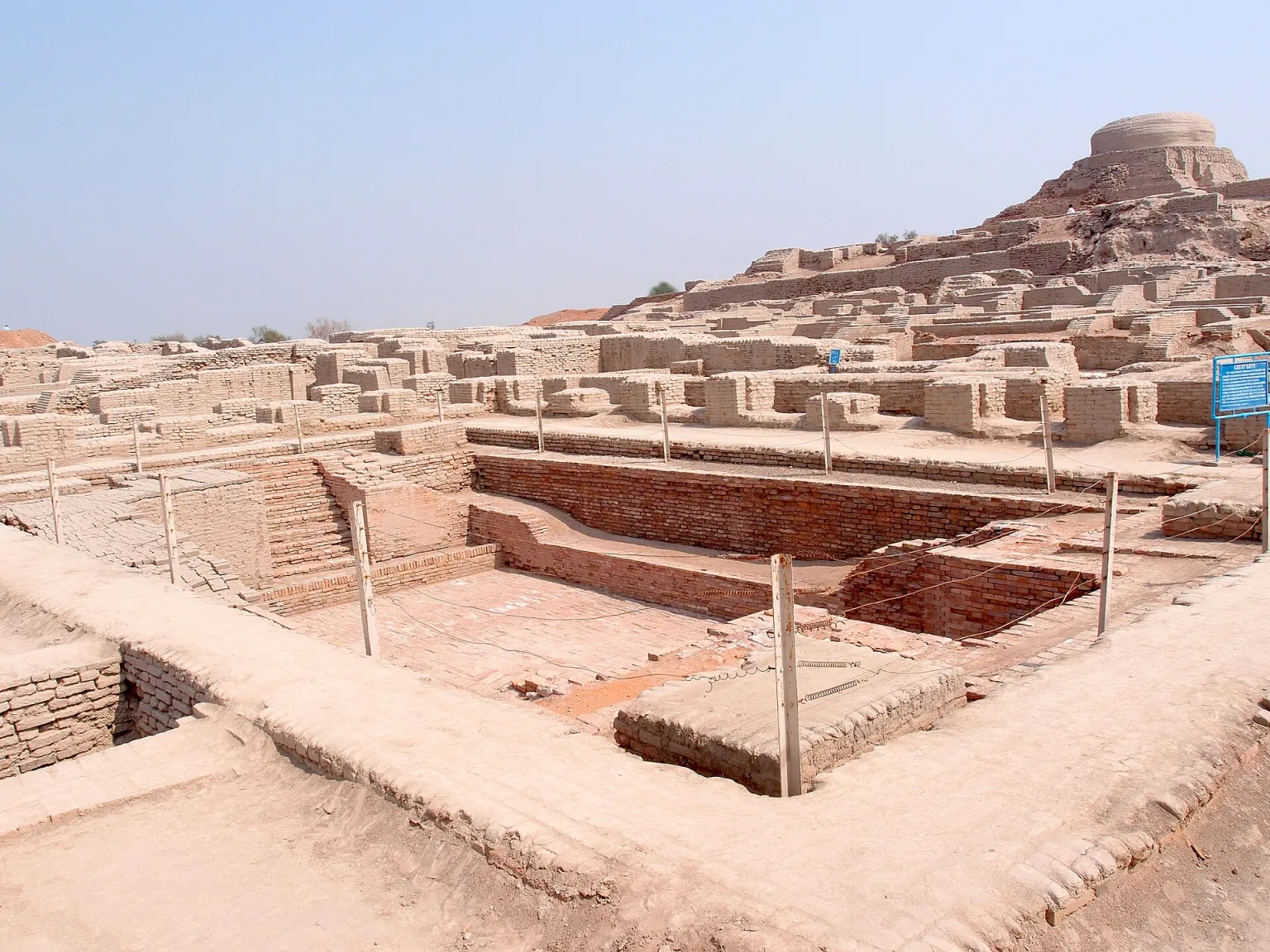
The excavated Great Bath at Mohenjo-daro with the granary mound behind
Choose the site that fits the journey you are already making
Choose Mohenjo-daro when an Indus Valley archaeological visit is a central part of a Sindh itinerary and you can give the journey proper time. Consider Harappa when travelling through Punjab and you want to combine an archaeological landscape with its site museum after checking current access. Neither should be reduced to a quick photograph on the way to somewhere distant.
Our recommendation for a first visit is the site that fits your actual region, followed by a guided or carefully prepared visit. A more famous name does not automatically produce a better day if the transfer overwhelms the time on site. Seeing both is a worthwhile project for an enthusiast, but it requires a broader itinerary, not a combined one-day outing.
The essential comparison
| Choice | Best reason to choose it | Plan around |
|---|---|---|
| Mohenjo-daro, Sindh | A major ancient urban landscape, including the Great Bath area and lower town | A dedicated regional journey, outdoor exposure and conservation rules |
| Harappa, Punjab | Mounds, archaeological evidence and the relationship with the site museum | The specific areas open, interpretation and the route near Sahiwal |
| Both on a longer trip | A comparative look at Indus urban life | Separate travel days and enough time to understand each place |
An archaeological site is not a reconstructed theme park. Much of the interest lies in traces: the line of a wall, the arrangement of spaces and the relationship between structures. A guide who distinguishes evidence from interpretation can make the visit more useful than a long list of unverified stories.
UNESCO status: an important distinction
Mohenjo-daro is an inscribed UNESCO World Heritage property; Harappa is on Pakistan’s Tentative List. These statuses are different. Mohenjo-daro was inscribed in 1980. Harappa’s Tentative List submission is dated 30 January 2004; a tentative entry is not an inscription. Avoid describing both as World Heritage Sites.
UNESCO’s Mohenjo-daro record places the site about 28 km from Larkana and discusses its planned streets, drainage and two principal sectors. Those are historical and geographical facts, not a current driving-time guarantee. Harappa’s tentative record describes an archaeological landscape of mounds and cemeteries with a sequence from the fourth to second millennia BC. Use those facts to frame questions, not to promise access to every part.
What to look for at Mohenjo-daro
Build the visit around a small number of connected observations. Compare the scale of the Great Bath area with a street or domestic structure, and ask how water and movement were organised. The point is to understand relationships within a city rather than to stand at every photographed viewpoint. Follow the authorised route and let current conservation instructions determine where you can go.
Be careful with labels such as “granary” or claims about a building’s exact function: ask what the interpretation is based on. Archaeological understanding can change. Do not repeat dramatic claims about a sudden disappearance or a mysterious catastrophe as established fact. The surviving evidence deserves a clearer explanation than a sensational story.
If the museum is part of your plan, confirm its opening separately from the outdoor site. Ask which displays are available and whether a guide can connect an object to the urban landscape you have just seen.
What to look for at Harappa
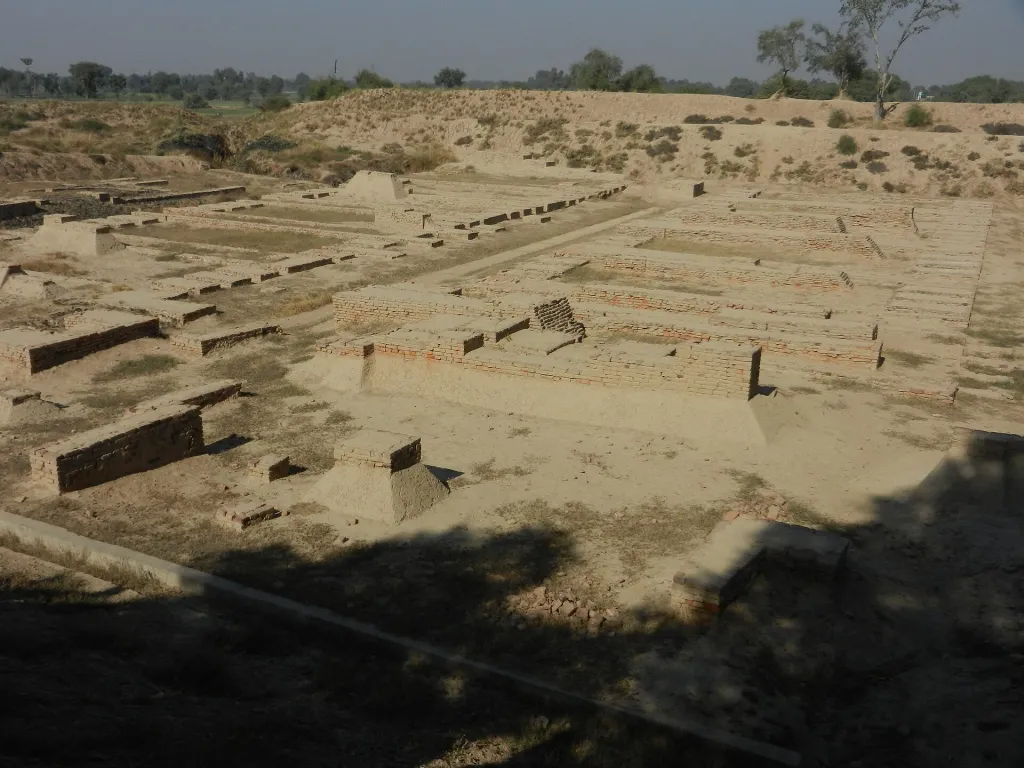
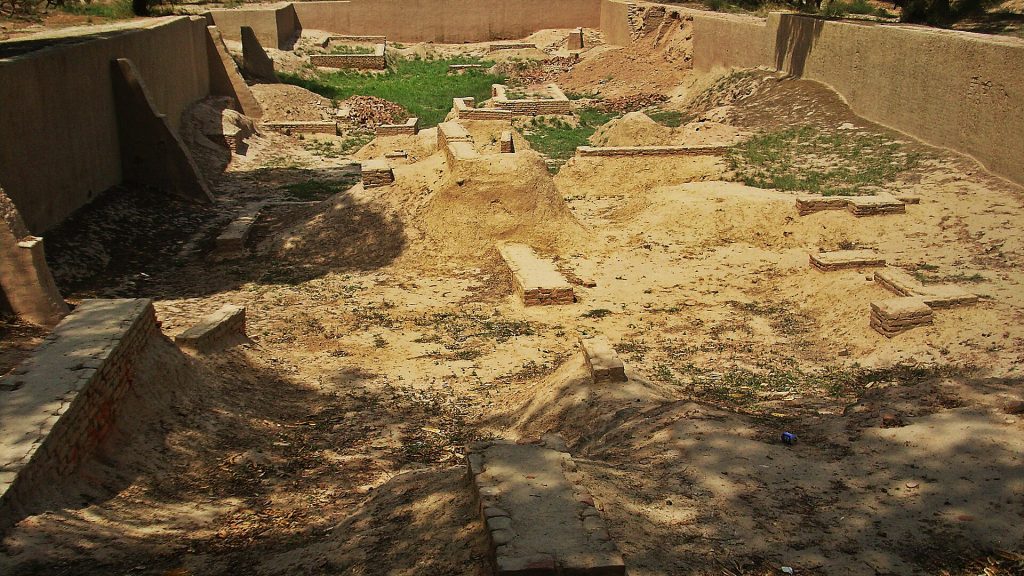
Harappa rewards patience with mounds, exposed areas and the idea that a settlement develops through successive layers. Ask what is ancient fabric, what has been conserved and what is a modern reconstruction. A clear distinction helps children and adults understand why some important evidence is less visually dramatic than a tall monument.
The federal museum record dates Harappa Museum’s founding to 1926 and its move to the present building to 1967. That background supports a museum-and-site plan, but it does not confirm today’s opening, galleries or ticket arrangements. Reconfirm those practical details independently. The old Tentative List description also mentions facilities; it should not be used as a current facilities inspection.
Who should visit and when?
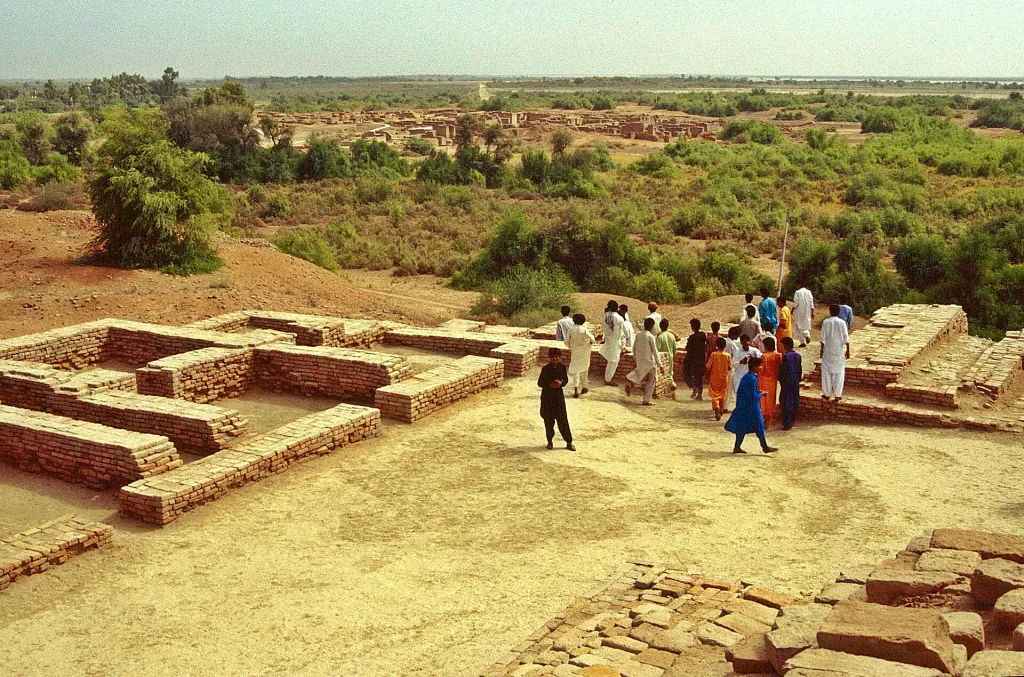
Both places suit travellers interested in archaeology, early cities, material culture and careful observation. Families can enjoy them when the adults plan a short route and give children something concrete to notice. A group expecting constant entertainment, abundant shade or guaranteed step-free surfaces should investigate the actual visitor arrangements before committing.
Compare cooler periods for exposed walking, then check the forecast for the specific date. Heat, rain and conservation work can alter the practical visit. Ask about paths, toilets, places to sit, drinking-water arrangements and the distance from the vehicle. Do not infer present access from a photograph taken years earlier.
A suggested visit structure
Begin with an orientation: the map, the permitted route and two or three questions. If the museum is open and suits the day, use it before or after the outdoor visit according to conditions and staff advice. Choose a modest outdoor circuit, take a real break, and finish by comparing one object with one built feature. This is a planning structure rather than a timed official tour.
For children, try drawing a simple imagined street based only on features they can identify, then mark what remains uncertain. For adults, ask how an interpretation changed after excavation or conservation. Never climb walls, collect fragments, trace surfaces with objects or step beyond barriers to improve a photograph. The survival of the site matters more than completing a viewpoint list.
Transport, total cost and the next planning step
Arrange transport around the correct site entrance, the current regional route and the return or onward stay. A road distance is not a promised transfer time. Do not buy an onward connection that depends on an unverified same-day return. Ask an operator to separate transport, waiting, guide, admission and any museum charge so the quote can be compared fairly.
Confirm guide availability and language before travelling if interpretation is central to the visit. Save the accommodation and pickup details offline. For a fuller background, read the separate Mohenjo-daro destination guide and Harappa destination guide. Keep each site as a meaningful part of its own region rather than treating the pair as interchangeable stops.
Frequently Asked Questions
Are both sites UNESCO World Heritage Sites?
No. Mohenjo-daro is inscribed on the World Heritage List. Harappa has a Tentative List entry, which is a different status.
Can Mohenjo-daro and Harappa be visited together in one day?
They belong to different regional journeys in Sindh and Punjab. Plan separate travel days rather than a combined day trip.
Which site is better for children?
Choose the one that fits the wider journey and has confirmed practical arrangements for the group. A short, well-explained visit is more useful than choosing by fame alone.
Does an archaeological-site ticket guarantee the museum is open?
Do not assume that. Confirm the museum’s own hours, available galleries and any separate admission before departure.
Keep Exploring
Related places and stories on DailyLife.pk

How we know this
- Type Practical guide
- Sources 5 (5 official/academic)
- Reviewed October 2026
- Disputed points None
Rules and fees change, confirm with the official links below before you act.
5 sources
- Archaeological Ruins at Moenjodaro: World Heritage record, UNESCO World Heritage Centre
- Archaeological Site of Harappa: Tentative List entry, UNESCO World Heritage Centre
- Archaeological Museum, Harappa, Sahiwal, Department of Archaeology & Museums Pakistan
- Harappa archaeological-site record, Department of Archaeology & Museums Pakistan
- Official forecasts and weather-alert gateway, Pakistan Meteorological Department
Photo credits (4)
- Mohenjo-daro.jpg, Saqib Qayyum, CC BY-SA 3.0, via Wikimedia Commons
- View of Granary and Great Hall on Mound F - Archaeological site of Harappa.jpg, Muhammad Bin Naveed, CC BY-SA 3.0, via Wikimedia Commons
- Harappa Ruins - IV.jpg, Hassan Nasir, CC BY-SA 3.0, via Wikimedia Commons
- PkMoenjoDaro05Unterstadt.jpg, Ziegler175, CC BY-SA 3.0, via Wikimedia Commons
