
Ingredients & Spices · The complete guide
Turmeric (Haldi)
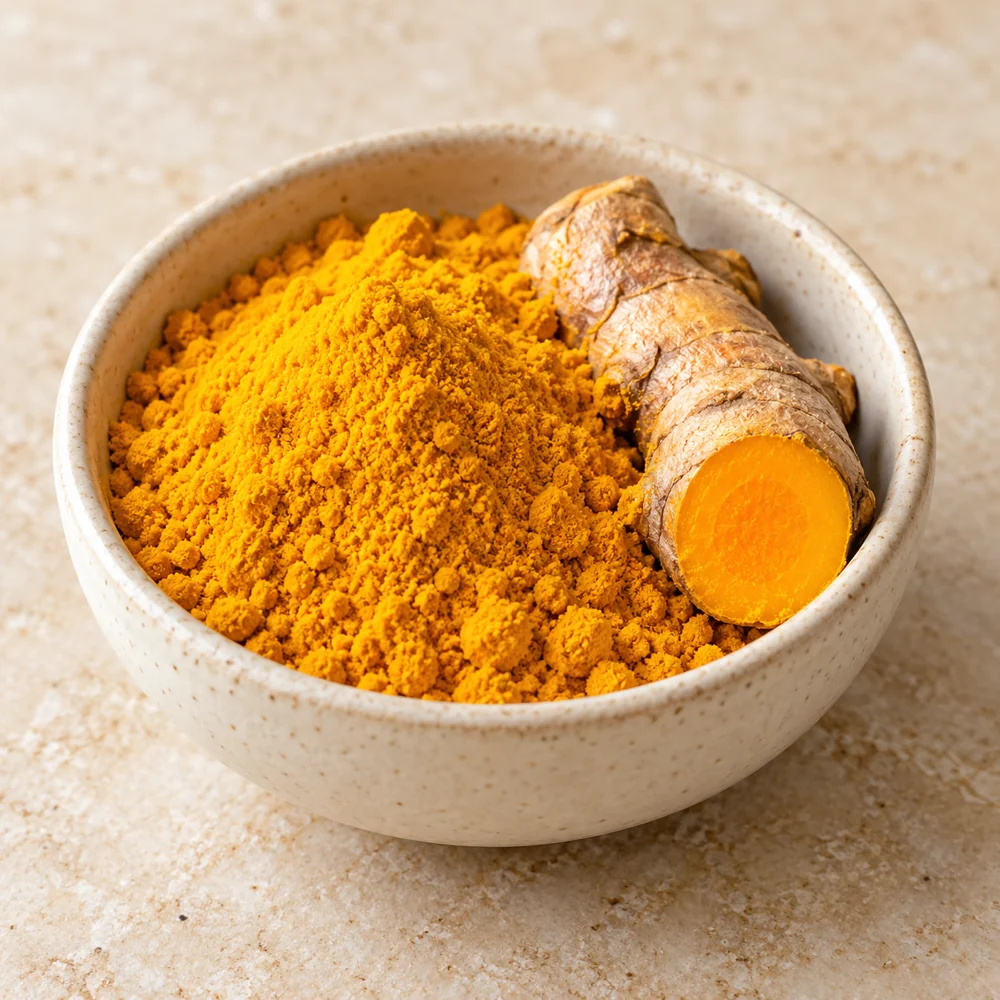
Turmeric, haldi, is the processed rhizome of Curcuma longa, normally sold as yellow powder in Pakistani kitchens. Curcumin is one group of its pigments, but culinary turmeric is not pure curcumin extract.
What it is and names to know
Turmeric, haldi, is the processed rhizome of Curcuma longa, normally sold as yellow powder in Pakistani kitchens. Curcumin is one group of its pigments, but culinary turmeric is not pure curcumin extract.
Origins, producing regions and Pakistan context
The crop has a long South Asian cultivation and cultural history. Its early food, dye and traditional medicinal uses overlap; that history does not establish a single discoverer or modern treatment efficacy.
India, China, Indonesia, Bangladesh and other countries cultivate turmeric; Pakistan is also a producer. Cured whole rhizomes and ground powder move through separate processing and packing businesses. The Netherlands is an importing, processing and re-exporting market for this spice group, as CBI explains; a Dutch dispatch address does not establish that a tropical crop was grown there.
Background: NCCIH: evidence and safety.
Trade context: CBI: spice production and trade context.
Trade context: CBI: spice production and trade context.

Types and buying advice
Choose plain haldi powder rather than a curcumin supplement or blended drink mix. A named origin and traceable packer are more useful than bright colour alone.
How to cook with it
Add a modest amount with ground spices in dal, sabzi, achar or a meat curry. It gives earthy flavour and yellow colour; frying gently with moisture helps distribute it through the dish.
Start with a quarter to half teaspoon in a family pan, following the recipe. Too much tastes bitter and dusty. Protect clothes and porous surfaces because the pigment stains readily.
Haldi works best as a background note in many everyday dishes. It should not automatically be increased until the food becomes intensely yellow. A mild yellow curry can be properly seasoned without a large quantity. If a powder has formed lumps, break them up before mixing into a yoghurt marinade. On a work surface, clean spills promptly and use a suitable nonporous board. Its staining power is a practical property, not a test of authenticity or medicinal potency.
Try the ingredient in Chicken Biryani, Arvi Gosht, Aloo Gosht. Follow each recipes specified form and quantity, since whole pieces and fine powder season food differently.
For related pantry ingredients, see the Pakistani ingredients and spices guide.
A mild background quantity can colour dal without obscuring the lentils own flavour or the final tadkas aroma.
Nutrition and realistic benefits
Ground spices contain plant compounds and varying amounts of fibre and minerals, but a normal recipe uses only a small quantity shared among several people. A high nutrient figure per 100 grams is therefore a poor description of what one serving supplies. The useful everyday benefit is flavour, colour or acidity in ordinary food. There is no need to increase the dose to pursue antioxidant claims, and a capsule or concentrated extract cannot be evaluated as if it were the powder in a curry.
Disadvantages and precautions
Research on supplements does not justify treatment claims for haldi in food. Some enhanced-absorption curcumin supplements have been linked to liver injury; food seasoning is a different exposure.
Dry spices are not sterile foods. FDA food-safety guidance explains practical handling. Buying from a traceable food supplier is more dependable than trying to judge safety from appearance alone.
Substitutions and storage
Omit it if colour is unimportant. A little saffron or annatto provides different colour and aroma, but neither is an equal substitute; curry powder adds several other flavours.
Store in a tightly closed container away from light, steam and cooking heat. Take the required amount with a dry spoon rather than shaking the open packet over a boiling pan. Ground particles expose more surface to air, so buying a modest pack is usually better than keeping a large stale supply. Check aroma as well as the printed date. Caking from dampness, visible mould, insects or an unusual musty smell calls for disposal, not extra roasting.
Names and forms used in our recipes
View the recipe names covered by this guide
- ground turmeric
- turmeric
- turmeric powder
Frequently Asked Questions
Does stronger yellow colour mean better turmeric?
Haldi works best as a background note in many everyday dishes. It should not automatically be increased until the food becomes intensely yellow.
What can I use instead of turmeric?
Omit it if colour is unimportant. A little saffron or annatto provides different colour and aroma, but neither is an equal substitute; curry powder adds several other flavours.
What is the main caution with turmeric?
Research on supplements does not justify treatment claims for haldi in food. Some enhanced-absorption curcumin supplements have been linked to liver injury; food seasoning is a different exposure.
Keep Exploring
Related places and stories on DailyLife.pk

How we know this
- Type Explainer
- Sources 6 (3 official/academic)
- Reviewed November 2026
- Disputed points None
6 sources
Photo credits (1)
- Spice market @ Walled City @ Lahore (15449651456).jpg, Guilhem Vellut from Annecy, France, CC BY 2.0, via Wikimedia Commons
