
Travel guide
Attock Khurd Railway Heritage: A Day Visit with Clear Limits
Plan Attock Khurd Railway Heritage: a practical suggested route with transport, meals, family access and current-source checks before booking.
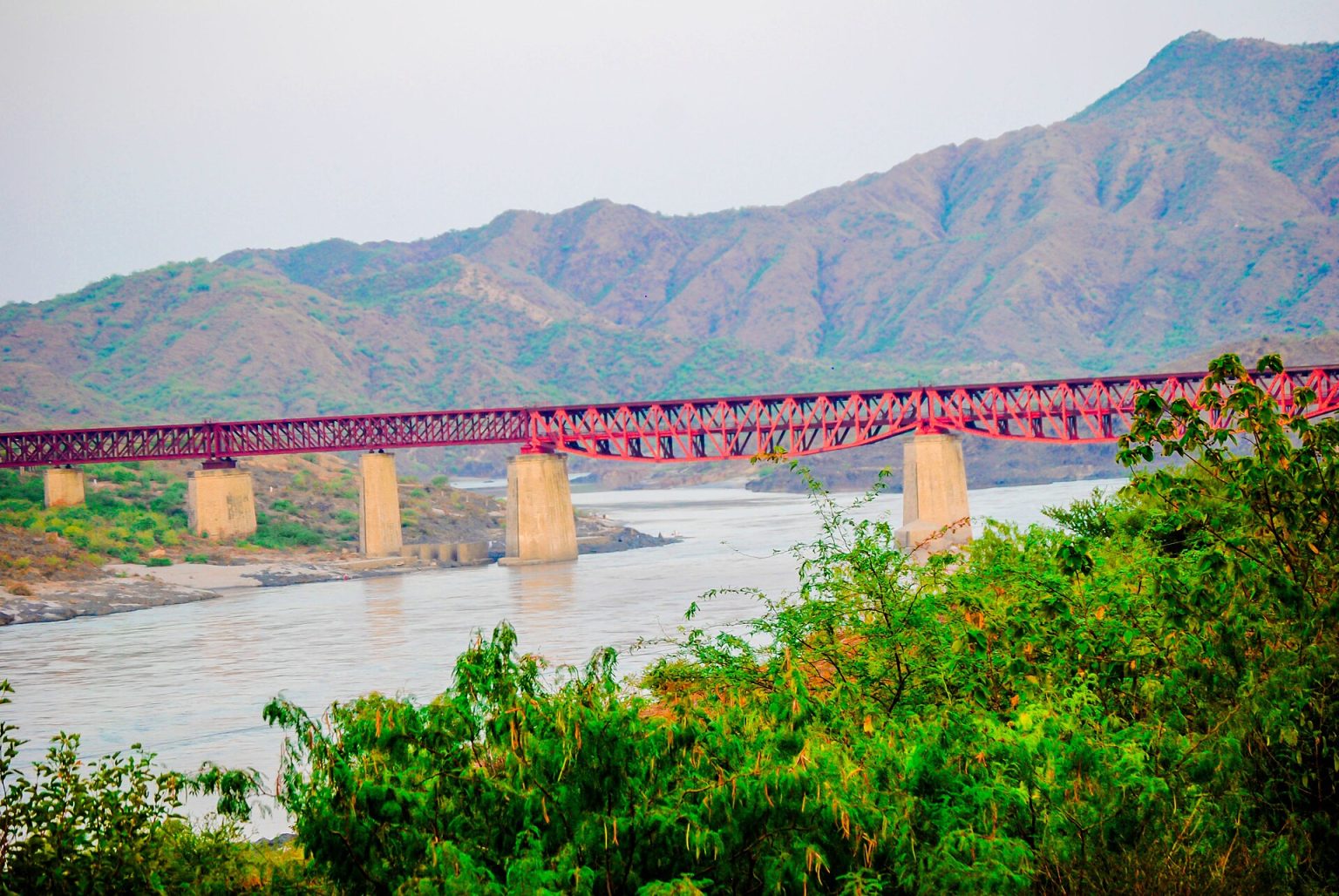
The old two-level Attock Bridge across the Indus.
Visit the railway story, respect the limits
Attock Khurd brings together railway architecture, the Indus crossing and a dramatic river setting. The district administration and federal archaeology records identify the historic station and old railway bridge as important local features. A useful outing concentrates on the station where public access is permitted and on lawful public viewpoints. It does not require entering railway tracks, tunnels, bridge structures or the nearby fort.
The distinction matters. The district’s own visitor page says Attock Fort is under military control and visitors are not allowed inside. The old bridge remains railway infrastructure. A photograph showing someone on a track is not permission to copy the pose. Plan this as a heritage observation trip with an organised vehicle and a daylight return. If the station’s current visitor arrangements cannot be established, postpone the railway component rather than improvising at an operational site.
Choose your starting point carefully
Islamabad, Rawalpindi or Attock can provide a base depending on the rest of your trip. Use the actual station location and the locally confirmed approach, because Attock City and Attock Khurd are not interchangeable destinations. The district transport page describes both motorway and Grand Trunk Road access to the wider district, but the best final approach depends on current road conditions and your starting point.
Do not add Peshawar simply because it appears nearby on a regional map. That is a separate city trip with its own access and safety considerations. Overseas visitors should check current official travel advice for every district crossed, including any proposed extension into Khyber Pakhtunkhwa. Ask your driver to keep the agreed route within the places you have actually checked. A simple out-and-back is easier to assess than a scenic loop introduced halfway through the day.
A station-first sequence
Arrange the morning around confirmed station visitor access. On arrival, identify railway staff and ask which areas visitors may use. Keep the group together and explain that you are interested in the building and railway history, not train movements or restricted facilities. Staff instructions take priority over a guidebook, map or previously shared photograph. Move away promptly if an area needs to be cleared for railway operations.
Notice the station’s proportions, masonry and relationship to the landscape. For children, discuss why a railway station needs a platform, signals and waiting space without approaching equipment. Use any available authorised interpretation to distinguish original features from later additions. Do not cross tracks for a better camera angle, walk along tunnels or stand at an active line’s edge. If a special heritage service is advertised, verify the date and operator directly; it is not evidence of a regular tourist train.
Explore the places and guides mentioned
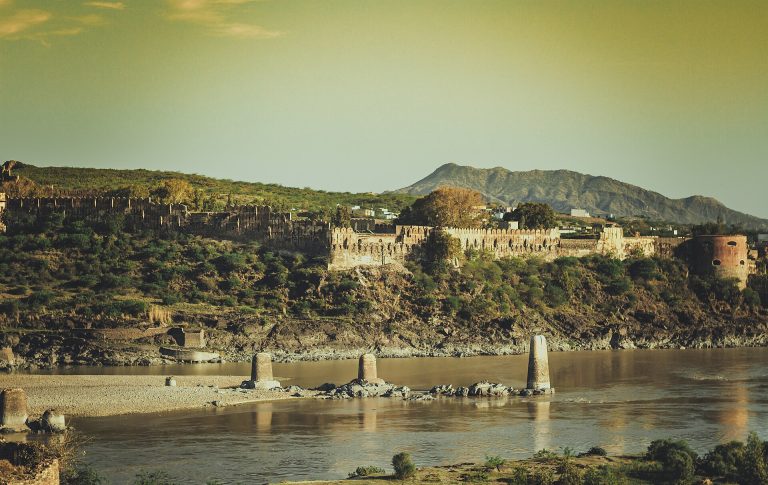
Photographs show the linked places or guide subjects. Open each page for its own visiting and planning information.
Viewing the Indus crossing
After the station, use a public stopping place recommended by local authorities or your informed host. A view of the bridge from outside can explain the crossing’s scale without accessing the structure. Ask before photographing security personnel, railway equipment or controlled installations. Do not deploy a drone or set up elaborate camera equipment on the assumption that a scenic river view has no restrictions.
Keep children away from road edges, steep banks and water. The Indus is not a casual swimming stop. A roadside viewpoint may be too narrow for a family to linger; if so, leave rather than trying to make it work. Choose a short observation period and continue to a safer place for food or rest. The fort may be visible from lawful public areas, but visibility does not create visitor access and this route does not include entry.
Vehicles and a realistic return
A car or small hired vehicle offers the simplest control over timing. Agree the route, waiting period and return drop in advance, including parking and any extra distance. Tell the driver that the group will not enter restricted roads or seek unofficial access. A larger coach needs advance confirmation of a suitable turning and parking area; a station approach that works for a car may not work for a bus.
Public transport to Attock does not necessarily solve the final connection to Attock Khurd. Check the exact stop, last-mile vehicle and return availability. Do not buy an ordinary rail ticket expecting it to provide an extended sightseeing stop at the historic station. For an intercity train journey, use the operator’s current timetable and booking information. Keep a separate backup for returning to your accommodation if a planned connection fails.
Meals, lodging and costs
Carry water and a small snack for the heritage stops, then plan a seated meal at a confirmed restaurant on the return route. Do not use a narrow station platform or bridge approach as a picnic space. Ask about toilets before bringing children or elders; an operating station’s facilities may not match a tourist attraction’s. Leave food packaging in a proper bin or take it back with you.
Most visitors can keep their Islamabad, Rawalpindi or Attock accommodation rather than moving for this outing. If staying locally, confirm parking, room stairs and meal availability directly. Budget for transport, any authorised admission or guide charge, food and parking. Verify whether a tourism package includes a special train or merely road transport to a station. Ask for a named operator and confirmed date before paying for anything described as a rail safari.
Make the visit accessible and responsible
Ask about the walking distance from parking, platform steps, uneven surfaces and seating. Do not assume a railway platform provides continuous step-free access. A person who needs a wheelchair may prefer a shorter architectural view from an accessible public area, with a vehicle waiting nearby. Plan toilet and rest breaks in advance rather than extending the stop because other travellers want more photographs.
For families, make the rule simple: no one goes onto tracks, climbs railway structures or approaches the water. Discuss it before arriving, when children can pay attention. Keep historical interpretation grounded in official records; different sources give different dates for the station, so avoid building the outing around an unsupported anniversary claim. The purpose is to understand a significant crossing and railway landscape while respecting the people and infrastructure still using it. Finish in daylight with no unofficial detours or access negotiations.
Continue planning your trip
Frequently Asked Questions
Does the Attock Khurd itinerary enter Attock Fort?
No. The district administration identifies the fort as military-controlled and not open to visitors. The route uses permitted station areas and lawful public viewpoints only.
Can we walk onto the old bridge for photographs?
No railway-track or bridge-structure access is included. Observe the crossing from a suitable public place and follow staff or security instructions.
How we know this
- Type Practical guide
- Sources 3 (3 official/academic)
- Reviewed October 2026
- Disputed points None
Rules and fees change, confirm with the official links below before you act.
3 sources
- Attock Khurd Railway Station heritage record, Department of Archaeology and Museums, Government of Pakistan
- Attock District: Important Places and fort access, District Administration Attock, Government of Punjab
- Attock District: Transportation, District Administration Attock, Government of Punjab
Photo credits (2)
- Attock Train Brigde.jpg, Prince Waqar Jalbai, CC BY-SA 4.0, via Wikimedia Commons
- Attock Qila.jpg, Imkashi94, CC BY-SA 4.0, via Wikimedia Commons
