
Travel guide
Chiniot Woodwork Trail: Omar Hayat Mahal and Workshops
Plan Chiniot Woodwork Trail: a practical suggested route with transport, meals, family access and current-source checks before booking.
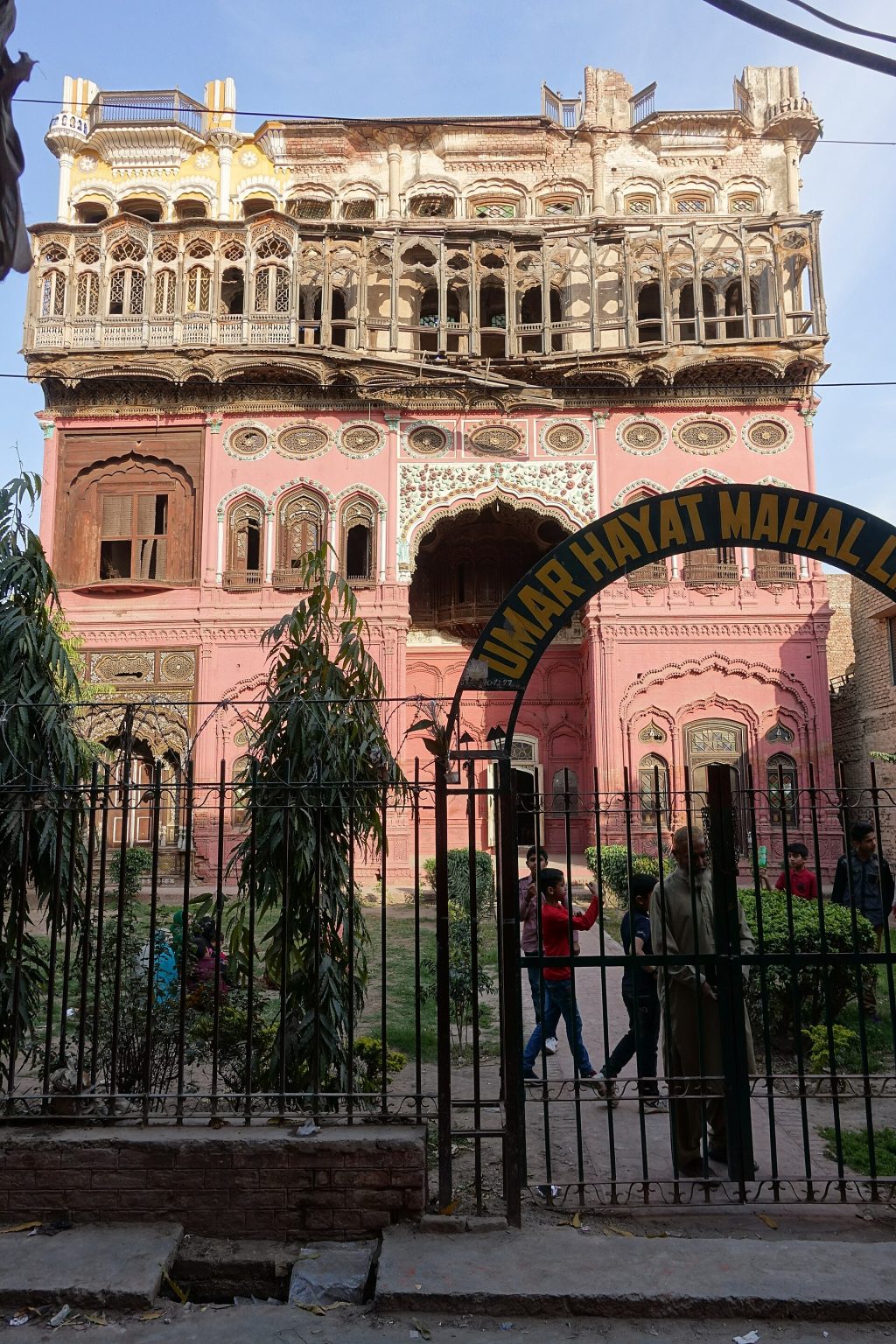
The carved wooden balconies of Omar Hayat Mahal, Chiniot.
Plan around craftsmanship
Chiniot is a rewarding choice for visitors interested in how architectural woodwork and contemporary furniture making relate to each other. The district’s official page identifies Omar Hayat Mahal, also known as Gulzar Manzil, as a wooden mansion; the municipal website also highlights the city’s furniture tradition. A useful visit pairs the heritage building with one workshop or showroom arranged in advance. It is a focused craft itinerary rather than a general list of things to do in Chiniot.
Separate the two kinds of access. A public heritage building may admit visitors under a posted schedule, while a working workshop is a business whose owner decides whether guests can enter. Do not assume a furniture district operates like an open-air museum. Confirm the palace’s current admission arrangements, then ask a maker for a suitable visiting time. A short, welcomed demonstration is better than wandering through several busy workplaces uninvited.
Choose a base and an unhurried route
Faisalabad can be a practical base for a day outing, while visitors already travelling through central Punjab may prefer a night in Chiniot or another established stop on their wider route. Choose the base by your confirmed onward transport and accommodation needs. Do not add a distant starting city simply because a map shows a direct road. Allow for urban approaches, breaks and the time spent finding a heritage entrance in the old town.
Use a vehicle for the intercity leg and leave the narrowest streets for a short walk or locally advised transfer. Send the driver the actual palace location and workshop address before departure. Agree whether the vehicle waits and where it can legally stop. A maker’s showroom may be on a much easier road than the production workshop; ask which address you have been given so the visit begins at the right place.
Morning at Omar Hayat Mahal
Make the mansion the main heritage appointment. Ask which floors or rooms are currently open and whether staff can explain the route. Look at how wood is used around openings, balconies, ceilings and circulation rather than trying to capture every surface in a single photograph. Do not lean against carved elements or step across a barrier for a clearer view. An old building’s decorative parts are not designed to bear a visitor’s weight.
For children, compare an undecorated surface with a carved one and ask what tools might have been needed. For design students, note recurring shapes and how light changes the appearance of the material. Historical accounts can differ in names and dates, so rely on the site’s interpretation and the federal archaeology record for specific claims. If rooms are closed, judge the visit by the accessible material instead of asking staff to make exceptions that could harm the building.
Explore the places and guides mentioned
Photographs show the linked places or guide subjects. Open each page for its own visiting and planning information.

The workshop visit
Arrange one workshop visit after the mansion, with a meal or rest between them. Explain the group size, whether children are coming and whether you hope to buy anything. Ask about photography and video before taking out a camera. Machinery, dust, electrical cables and unfinished timber can make a production area unsuitable for toddlers or visitors with respiratory sensitivities. A showroom conversation may be the better alternative.
Ask practical questions that respect the maker’s expertise: which parts are carved by hand, how pieces are joined, what finish is used and how a design is adapted for transport. Avoid demanding a performance or interrupting a task to stage a photograph. If the visit involves an agreed demonstration or guide fee, settle it beforehand. Paying for time does not require buying a large piece of furniture, and buying a souvenir does not automatically compensate an hour-long workshop interruption.
Buying without an expensive misunderstanding
If shopping, distinguish a display sample from the item you will receive. Get measurements, material descriptions, finish, delivery location and completion date in writing. Ask whether quoted prices include packing, loading, delivery and installation. Inspect drawers, joints and surfaces rather than evaluating a piece only by its carved front. For overseas visitors, a small decorative object may be easier to transport than furniture requiring freight and customs arrangements.
Do not assume a local seller can accurately advise on another country’s import rules. Check the destination’s requirements separately if shipping wood abroad. Take photographs of an agreed order with the seller’s consent and retain receipts and contact details. A rushed day trip is a poor setting for a substantial deposit on an unfamiliar supplier. If you need time to compare workmanship, collect information and continue the conversation after returning home.
Meals, season and accommodation
Cooler weather makes the old-town walking segment more comfortable. In summer, put the mansion and any short street walk early in the day, then use a seated indoor break before the workshop. Carry water for the transfer and do not count on finding a café beside the heritage entrance. Ask a local host or your accommodation about a clean, seated restaurant with a usable toilet rather than treating roadside food as a mandatory part of the experience.
For an overnight stay, confirm room access, parking, hot water, cooling or heating, and whether breakfast is available at your departure time. Visitors with elders should ask about lifts and entrance steps. A cheap room that requires several flights of stairs can undermine the whole trip. Obtain current prices directly, including any taxes or extra bedding. No particular hotel or workshop is endorsed here; the route works with providers whose access and services you have verified.
Budget and a comfortable finish
Divide the budget into transport, heritage admission if charged, any arranged craft visit, meals and optional shopping. Keep the shopping allowance separate so a family member who is simply enjoying the architecture is not pressured into a purchase. Ask whether a quoted guide fee covers only the mansion or also workshop introductions and transport. Informal introductions are not a substitute for the workshop owner’s consent.
The most effective finish is a short discussion of one technique or detail you noticed in both the mansion and modern work. Skip extra monuments if the group has already spent a long time standing. Chiniot’s craft story rewards attention, and a carefully paced half-day on site can be more satisfying than a packed sightseeing schedule. Leave with names, receipts and photographs properly recorded, and return by a route the driver knows rather than improvising a late scenic detour.
Continue planning your trip
Frequently Asked Questions
Can we walk into a Chiniot furniture workshop?
Only with the owner’s permission. Arrange the group size, visiting time, photography and any demonstration fee; use a showroom if the production area is unsuitable.
What should a furniture order include in writing?
Measurements, materials, finish, item count, completion date, packing, delivery and responsibility for damage. A short heritage trip is not a reason to rush a substantial deposit.
How we know this
- Type Practical guide
- Sources 3 (2 official/academic)
- Reviewed October 2026
- Disputed points None
Rules and fees change, confirm with the official links below before you act.
3 sources
- Chiniot: Important Places, District Administration Chiniot, Government of Punjab
- Chiniot District profile, Trade Development Authority of Pakistan
- Municipal Committee Chiniot: city introduction, Municipal Committee Chiniot
Photo credits (2)
- Omar Hayat Mahal in Chiniot.jpg, Marsmux, CC BY-SA 4.0, via Wikimedia Commons
- Making Lassi (White Beer) in Pakistan.jpg, Tahsin Shah, CC BY-SA 4.0, via Wikimedia Commons
