
Places to visit
Golra Railway Museum: a practical visitor guide
Visit Golra Railway Museum: what to see, historical context, getting there, a realistic plan, families and official access checks.
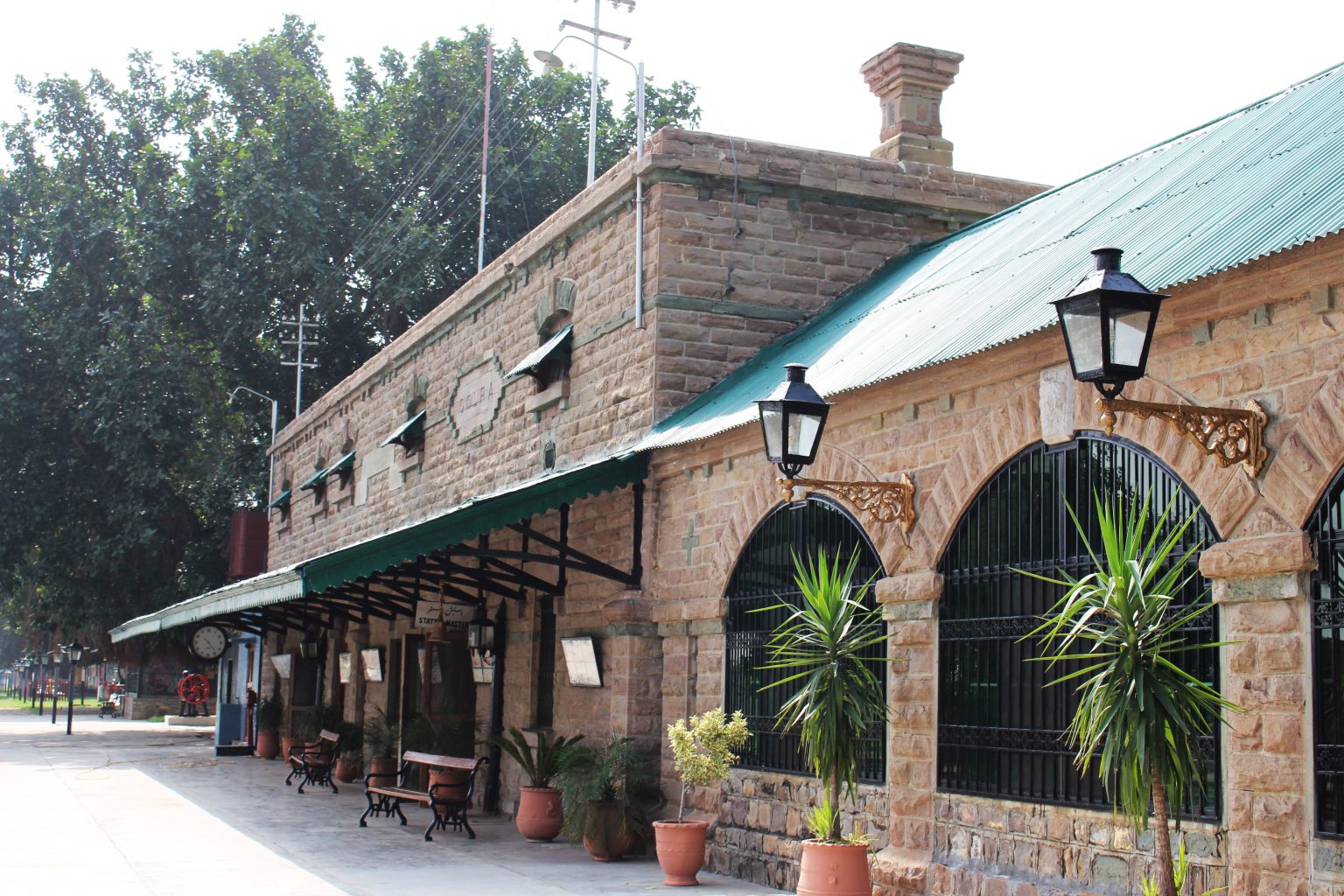
Main building of Golra Sharif Railway Museum and Station
Railway heritage in a station setting
Golra Railway Museum, also called Pakistan Railways Heritage Museum, is an Islamabad-area attraction for visitors interested in transport, communications and the practical systems behind a railway journey. Its station setting gives the visit a different character from a detached exhibition hall. Allow around ninety minutes to two hours for selected galleries and permitted outdoor displays, as an editorial estimate. Confirm current public access before setting out. Do not assume that an old government press release doubles as today's timetable, ticket tariff or permission to walk across tracks. A railway heritage visit should follow the museum's visitor route throughout.
The station is older than the museum
The federal government's 2018 heritage release dates Golra station to 1882 and describes the museum's establishment in 2003. It discusses the station near Islamabad's E-11 area and its role in the region's rail network. Those dates identify two different institutions: a nineteenth-century railway place and a later effort to interpret and preserve rail history. A 2025 government report records an official museum visit and further heritage-development attention. That supports continuing institutional interest, but it does not establish today's ordinary public opening hours or prove every proposed improvement has been completed.
Signals and communication are as interesting as engines
The government overview describes galleries containing railway signals, meters, communication equipment, archival photographs and related objects. These can explain what a railway needs beyond a locomotive: a safe sequence of movements, shared information and a way to coordinate people at different locations. Select one communication device and one signalling object and read their labels before guessing their use. A familiar-looking instrument may have a specific railway role. Do not operate handles, switches or equipment unless the museum explicitly identifies an interactive display and gives permission. Preserved working technology is not automatically a hands-on exhibit.
Explore the places and guides mentioned
Photographs show the linked places or guide subjects. Open each page for its own visiting and planning information.


A postal coach links the railway to ordinary correspondence
The government's museum description identifies a German-built postal coach dating to 1914. If it is currently on view, use it to ask how the movement of letters connected with the movement of passengers and goods. A railway is a network of services, not only a collection of engines. The coach can interest someone who has little enthusiasm for locomotive specifications but understands waiting for a letter or sending news across distance.
Check its label and present access rather than assuming visitors can enter. A clear exterior view may be enough to start the discussion, particularly when another gallery explains communications. Compare the postal function with a saloon designed around a different kind of passenger experience. That contrast brings social history into the visit without inventing who used an unlabelled seat or repeating a story about a named traveller that the museum has not substantiated. The larger machines and quieter communication objects become parts of the same system.
Waiting-room material and everyday travel
The official description also identifies furniture and crockery associated with waiting-hall life. These smaller domestic-looking objects provide a useful contrast to large machines. Ask what they suggest about time spent waiting, class distinctions, comfort and the experience of a passenger rather than a railway employee. The question can interest visitors who are less enthusiastic about engine specifications. Historical furnishings need labelled context: do not assume every chair was used by a named public figure. A museum's display arrangement may communicate a period or function without reconstructing one exact moment in one exact station room.
Large exhibits and accurate access expectations
The government release describes locomotives, historical coaches, a postal coach and saloons among the outdoor material. It links a saloon with Jinnah's travel and discusses its interior. These are reasons to ask what is currently on view, not promises that visitors can board every coach. Confirm any interior access, stairs, narrow openings or separate restrictions before making a saloon the central purpose of your trip. Large rail vehicles can be appreciated from designated paths. Never climb couplings, step between rolling stock or use a track as a photography platform, even if a vehicle appears stationary.
Plan a road approach unless a current train is verified
Use Golra Railway Museum or Golra Sharif Railway Museum as the destination and confirm the museum entrance rather than a generic station point. The 2018 government release includes train times, but those historical times are not current travel instructions and are deliberately not reproduced here. If you want to arrive by train, check Pakistan Railways' present service and stopping arrangements independently. Otherwise arrange a reliable road journey and a return pickup. A station name on a map does not tell you which gate museum visitors should use or where a driver may wait.
A balanced ninety-minute-to-two-hour plan
Ask at arrival which gallery and outdoor sections are open and whether any area is part of current railway operations. Start with indoor communication and signalling material, then move to waiting-room objects for a different scale of history. Use the final part for permitted outdoor views and any specifically authorised coach entry. For children, a simple task is to identify what helps a train move, what helps people communicate and what serves passengers while they wait. This keeps the visit coherent without encouraging them to touch equipment or treating the grounds as an unrestricted play area.
Access, current details and a useful Islamabad connection
No current ticket amount, weekly closure, public train connection or step-free coach interior is verified in this guide. Confirm through Pakistan Railways or the museum before travelling, and ask about photography, bags, toilets and the route suitable for limited mobility. The Islamabad city guide offers broader planning context, while Rawalpindi's railway and urban history can form a separate day. Avoid combining every transport landmark into one outing merely because it fits a theme. A focused museum visit with time to absorb the distinction between machines, staff systems and passenger experience is a substantial result on its own.
Use the official attraction information as your starting point for the enquiries above.
For related planning, read Rawalpindi city guide.
Continue planning your trip
Frequently Asked Questions
Can I use the train times in the 2018 press release?
No. They are historical information, not a verified current service. Check Pakistan Railways’ present timetable and stopping arrangements independently.
Can I enter every coach?
No. Confirm which vehicles are on view and whether boarding is authorised. Outdoor display does not establish interior access.
Is the museum as old as the station?
No. The government overview dates the station to 1882 and the museum to 2003.
How long should I allow?
Ninety minutes to two hours is an editorial allowance for selected galleries and permitted outdoor displays, excluding travel and any admission checks.
How we know this
- Type Travel guide
- Sources 3 (3 official/academic)
- Reviewed October 2026
- Disputed points None
Rules and fees change, confirm with the official links below before you act.
3 sources
- Golra Railway Museum — official information, Press Information Department, Government of Pakistan
- Golra Railway Station inventory, Department of Archaeology and Museums, Government of Pakistan
- Official visit to Golra Railway Museum, November 2025, Press Information Department, Government of Pakistan
Photo credits (3)
- Main Building - Golra Sharif Railway Museum and Station.jpg, MaraimSM, CC BY-SA 3.0, via Wikimedia Commons
- Faisal Mosque, Islamabad III.jpg, Fassifarooq, CC BY-SA 4.0, via Wikimedia Commons
- Rawalpindi railway St.jpg, Ayathere19, CC BY-SA 4.0, via Wikimedia Commons
