
Places to visit
Hund Museum, Swabi: a practical visitor guide
Visit Hund Museum, Swabi: what to see, historical context, getting there, a realistic plan, families and official access checks.
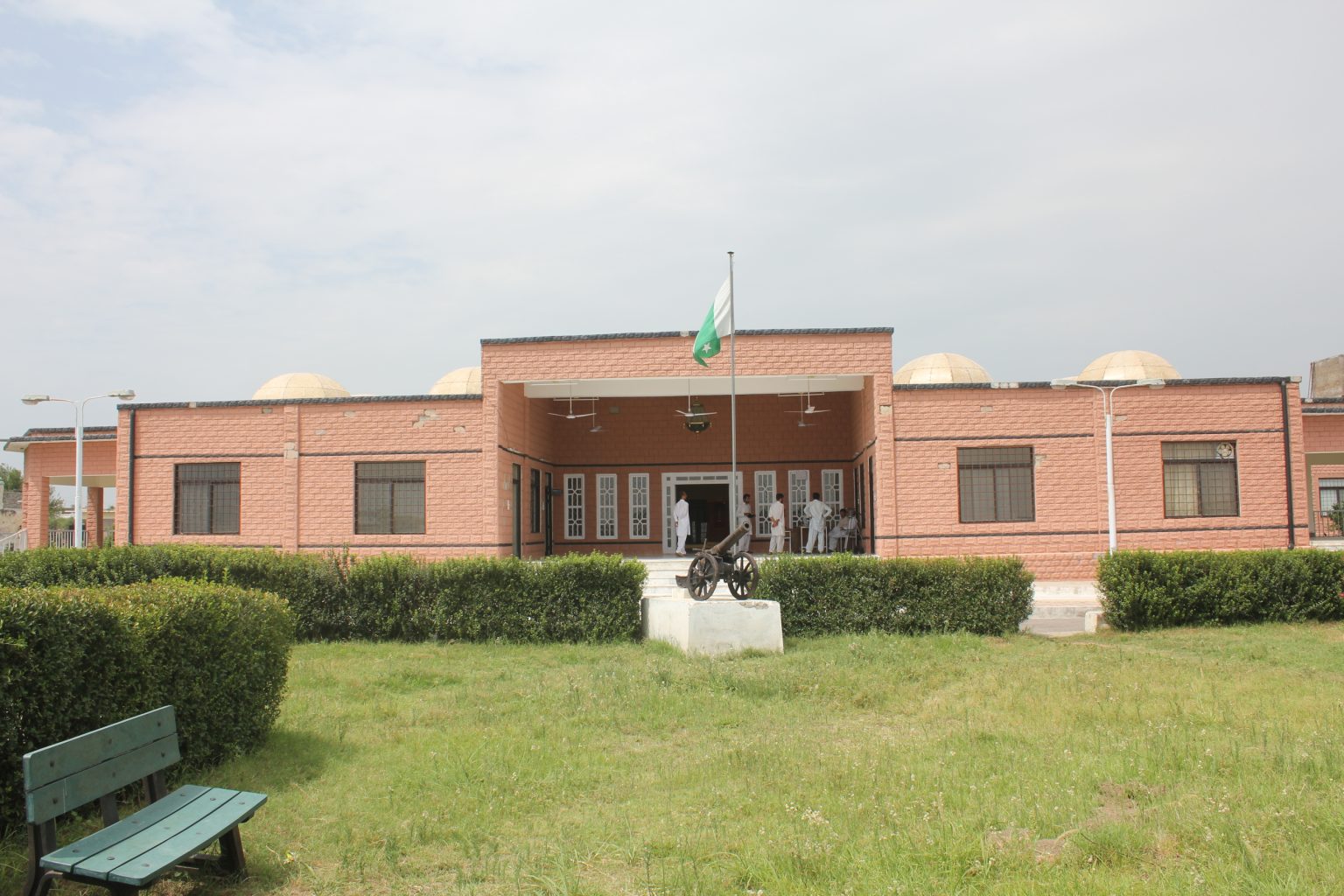
Hund Museum building in Swabi district
Current travel advice — checked 31 October 2026
British travellers: FCDO advice updated 27 October 2026 advises against all but essential travel to Swabi. Check current FCDO advice before considering a journey. Domestic visitors should follow local authority instructions and current permissions; museum opening does not settle route access.
An Indus-side history stop with a clear purpose
Hund Museum is a reason to slow down in the Swabi area rather than simply pass through it. The provincial archaeology directorate places it on the right bank of the Indus and describes collections of antiquities and cultural objects. Plan around an hour to ninety minutes for a focused museum visit, with additional time only if an independently verified local itinerary warrants it. This is an editorial estimate. The river setting gives the visit geographical context, but do not assume that a museum ticket includes river access, a boat ride or a managed waterfront recreation area.
The modern institution and its commemorative landscape
The directorate records that land for the museum was acquired in 2002 and identifies a pillar commemorating Alexander's arrival in the area. The distinction between ancient history and modern commemoration is especially important here. A modern pillar is evidence of how history is remembered; it is not an ancient surviving marker proving the exact place of an event. Read any inscription for its date and purpose. The museum's cultural objects offer a broader regional interest than a single celebrated military name. Give them their own attention instead of making the whole trip a photograph beside a monument.
Explore the places and guides mentioned
Photographs show the linked places or guide subjects. Open each page for its own visiting and planning information.


What to look for in a mixed collection
At the entrance, ask how the displays distinguish archaeological material from later cultural objects. Where labels provide a date and findspot, use both. An object's place of discovery, place of manufacture and place of display can all differ. Compare a visually impressive piece with a modest object of everyday use. Which has more information about function, ownership or context? A mixed regional museum is a good place to practise accepting incomplete answers. A missing date does not make an object uninteresting, but it does mean you should avoid turning a visual resemblance into a confident historical identification.
The river and the memorial are different kinds of history
Hund's Indus-side location encourages a geographical question: why do crossings and routes matter to settlements? The museum's modern Alexander memorial offers one commemoration of that relationship, but it should not crowd out the collections' longer and more varied regional interest. At the pillar, distinguish an inscription explaining a historical association from physical evidence excavated from a particular ancient layer. A commemoration can be culturally significant without being an ancient object itself. This distinction is worth making explicitly with children because a weathered monument can otherwise be mistaken for a surviving contemporary marker.
Inside, read any locality labels against that route question. An object discovered near a crossing does not automatically prove that a particular army, trader or ruler carried it there. Movement has to be demonstrated through evidence rather than assumed from a picturesque setting. The museum’s antiquities and cultural objects can support several periods and subjects, even if a visitor arrives knowing only Alexander's name. Finish by choosing one object or label unrelated to the pillar and explaining why it deserves attention. That small change in emphasis turns the visit from a single-event pilgrimage into a more balanced encounter with the region's material history and the later ways it has been remembered.
Getting there is a separate part of the visit
Use the Hund Museum listing from the provincial directorate to identify the destination, then confirm the visitor entrance with a current local contact. Tell a driver explicitly that the museum is the goal rather than merely Hund village or a riverbank stop. Arrange a return vehicle or a clear waiting plan before arrival; public transport cannot be assumed at the museum gate on demand. If travelling from a nearby city, obtain a current route estimate for your actual starting point. Travellers should check relevant official regional advice and route conditions independently, particularly if the museum forms one stop on a longer road itinerary.
A realistic museum-first itinerary
Begin inside if the galleries are open, giving your best attention to the collection while you are fresh. Select a few objects with useful labels rather than moving automatically from case to case. Use the final part of the visit to look at the grounds and the commemorative pillar from permitted areas. This order prevents the outdoor setting from consuming the entire stop. If the gallery is unexpectedly closed, do not treat access to the grounds as an equivalent museum visit or press staff to open restricted spaces. Have a modest alternative plan rather than a tightly packed sequence that depends on every door opening.
Confirm opening and facilities directly
The official museum description is not a current tariff or daily timetable. Ask about the intended date, last entry, admission categories and any temporary works. Confirm whether photographs are permitted inside, and respect restrictions on flash, tripods or commercial filming. For children or older relatives, enquire about toilets, drinking-water arrangements and seating before a dedicated trip. Someone needing a step-free route should ask about the actual entrance and gallery circulation. Do not infer accessible river paths, protective barriers or supervised outdoor activities from the phrase 'river bank' in a location description.
Use the official attraction information as your starting point for the enquiries above.
Families, riverside judgement and onward context
A useful family question is the difference between an object preserved from the past and a monument built later to remember the past. Ask children to find clues such as material, dates and inscriptions. Stay in authorised visitor areas and do not extend the outing onto unknown river edges simply for a photograph. The museum and a riverside adventure are different activities. Read the Swabi city guide for broader orientation and keep any next stop geographically realistic. A quiet meal and discussion afterwards may add more to the visit than racing to another heritage site whose opening and road approach you have not checked.
For related planning, read Gandhara Buddhist heritage trail.
Continue planning your trip
Frequently Asked Questions
Is Hund Museum beside the Indus?
The provincial directorate places it on the river’s right bank in Swabi district. This does not establish a managed river-access or boating service.
Is the Alexander pillar ancient?
The directorate describes it as commemorative. Treat it as a later memorial rather than claiming it is an ancient marker of an exact event location.
How long should I allow?
Around an hour to ninety minutes is an editorial museum allowance. Transport and any separate local activity require additional time.
Can I arrive without checking?
Direct confirmation is advisable for opening, gallery access, fees and facilities, especially before arranging a dedicated journey or bringing a large group.
How we know this
- Type Travel guide
- Sources 2
- Reviewed October 2026
- Disputed points None
Rules and fees change, confirm with the official links below before you act.
2 sources
- Hund Museum, Swabi — official information, Government of Khyber Pakhtunkhwa
- Pakistan travel advice; updated 27 October 2026, UK Foreign, Commonwealth and Development Office
Photo credits (3)
- Hund Museum.JPG, Muhammad Zahir, CC BY-SA 3.0, via Wikimedia Commons
- Swabi Irrigation well and feilds.jpg, Asimali740, CC BY-SA 4.0, via Wikimedia Commons
- Takht-i-Bahi Buddhist Monastery.jpg, Muzamil Hassain Toori, CC BY-SA 4.0, via Wikimedia Commons
