
Places to visit
Mardan Museum: a practical visitor guide
Visit Mardan Museum: what to see, historical context, getting there, a realistic plan, families and official access checks.
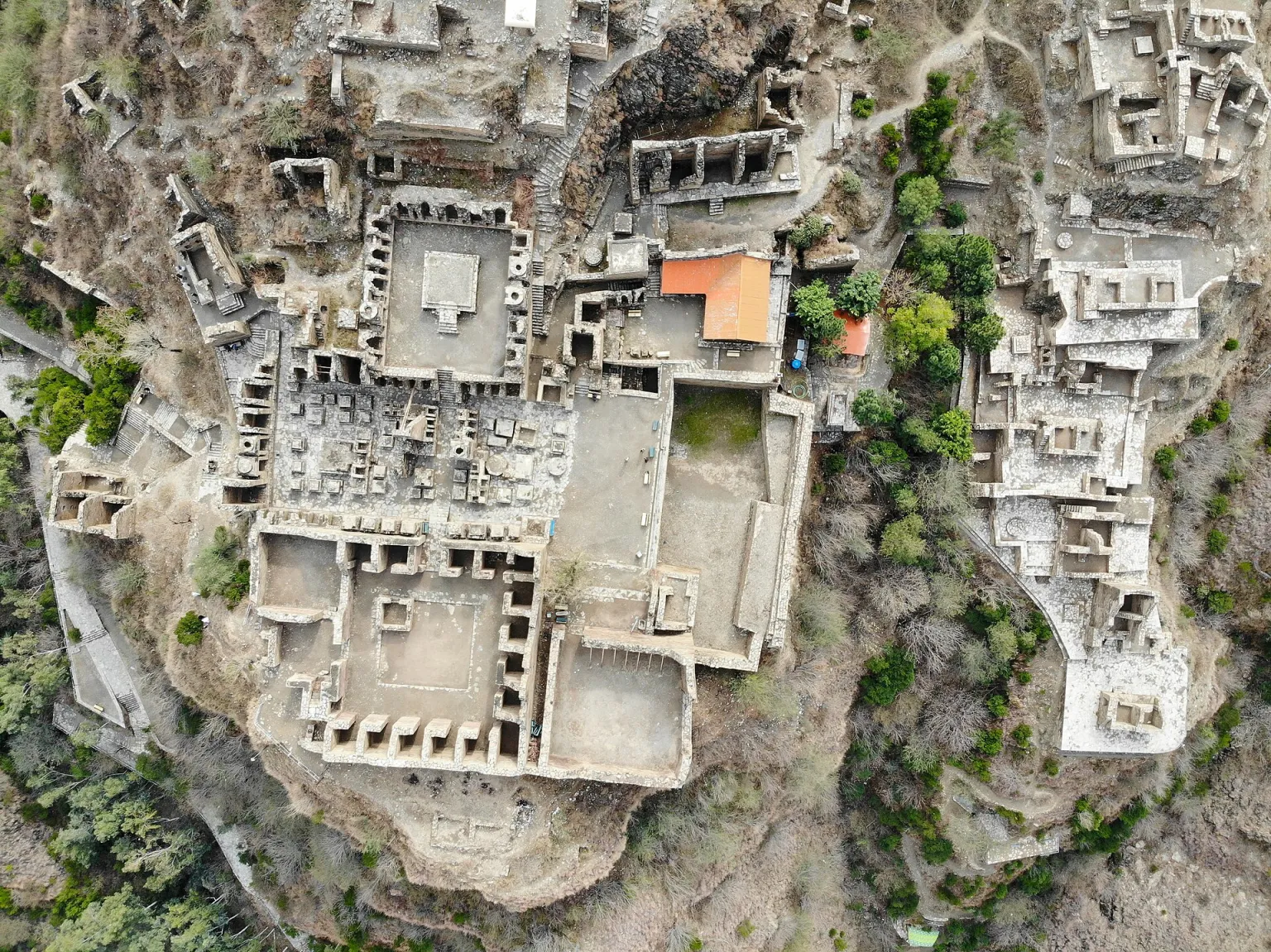
Takht-i-Bahi in Mardan District: regional Gandharan heritage; the photograph does not show Mardan Museum.
Current travel advice — checked 31 October 2026
British travellers: FCDO advice updated 27 October 2026 advises against all but essential travel to Mardan. Check current FCDO advice before considering a journey. Domestic visitors should follow local authority instructions and current permissions; museum opening does not settle route access.
A smaller museum with a regional purpose
Mardan Museum suits visitors who want to understand the archaeological landscape around Mardan without treating every surviving object as part of a famous distant site. It is a focused indoor stop, worth roughly an hour to ninety minutes as an editorial allowance. Its scale can be an advantage: a shorter list of cases makes close observation more realistic. Choose it alongside a Mardan-based itinerary rather than assuming it is an interchangeable substitute for Peshawar Museum. Each institution has its own collecting history and regional relationships, and those differences are part of the interest.
How the collection developed
The provincial archaeology directorate records the museum's establishment in Mardan's Town Hall in 1990, with an initial contribution of antiquities and display cases from Peshawar Museum. It describes later additions through excavations, recoveries and donations. That is more informative than simply calling every object local. A documented excavation find and an object recovered by law enforcement have different kinds of provenance. Where labels give a source, read it. Where they do not, avoid guessing. The museum's history also illustrates how collections can move between institutions in order to make regional heritage available to a wider public.
Explore the places and guides mentioned
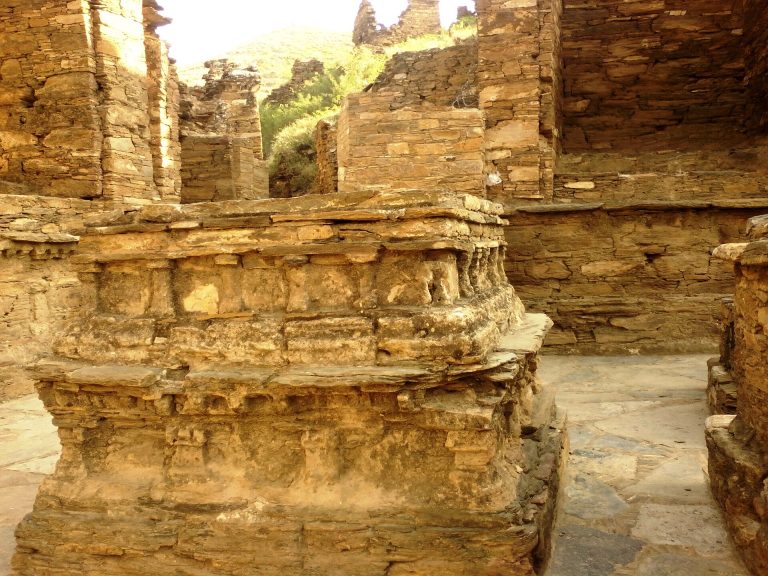
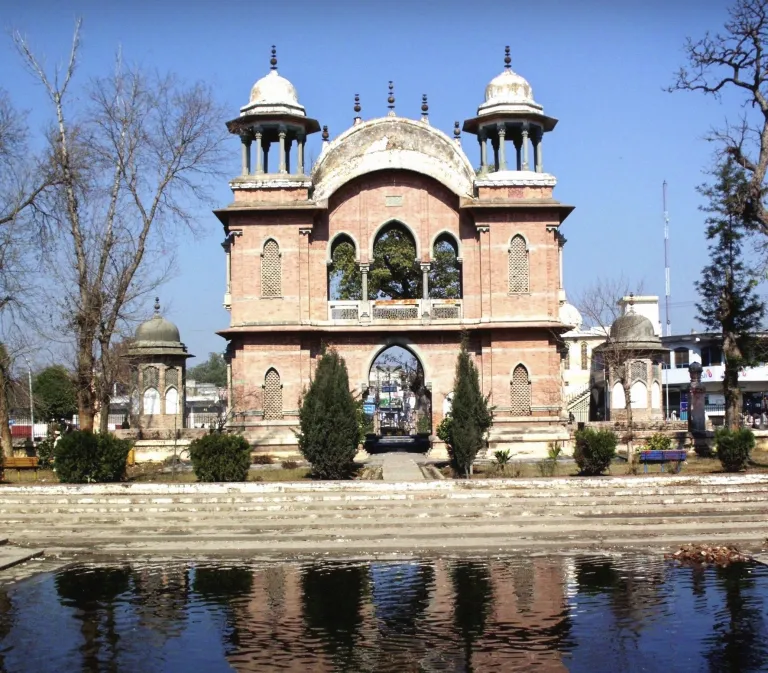
Photographs show the linked places or guide subjects. Open each page for its own visiting and planning information.
Objects to compare rather than tick off
The directorate identifies Gandharan sculpture, coins, terracotta animal figures, household material and agricultural tools among the collection. Let the smaller objects interrupt a sculpture-only visit. A tool or container may reveal a practical task that a monumental religious image does not. Compare materials and scale: why would one object need to be portable, another durable, and another visually impressive? With narrative sculpture, notice how figures are arranged before reading a scene identification. Do not assume every sculpture belongs to the same century or workshop because it is displayed in the same room.
Narrative scenes that repay a second look
The provincial collection description identifies subjects including Queen Maya's dream, Siddhartha's birth, the Great Departure, the first sermon and the distribution of relics. If the relevant pieces are displayed, choose two moments that are far apart in the narrative instead of treating the sculptures as a row of similar figures. Notice how an artist identifies an event through people, gesture and setting. A caption can name a scene, but your own observation helps explain how that identification is communicated visually. Where a fragment is incomplete, distinguish what remains visible from what the full narrative would imply.
The directorate also lists material from Safiabad and Hund and recoveries associated with other localities. Use any individual provenance labels to connect the museum with a regional map rather than attributing everything to Takht-i-Bahi. The better comparison is between an archaeological place and a specific object whose origin is documented. On a later site visit, the question becomes where such sculpture fitted into buildings and movement through a religious complex. This turns the smaller museum into a useful part of an archaeological itinerary without pretending every object came from the most famous nearby ruin or reducing the collection to a preliminary stop before somewhere supposedly more important.
Locate the current visitor entrance
Use the Mardan Museum listing on the provincial directorate's website and confirm where visitors should arrive. The Town Hall connection is part of its documented history, but an old address or road pin should not override current instructions from staff. If you are arranging a vehicle for Takht-i-Bahi as well, make museum access and site access separate questions. They do not necessarily keep the same hours or share a ticket. Agree a return meeting place and allow a traffic buffer. A rushed city transfer can consume the time you hoped to spend reading labels.
An hour that produces useful observations
Begin by asking what is currently on view and whether there is a preferred route. Choose one narrative sculpture, one small object and one object associated with everyday work. Give each enough time to note material, date and provenance where available. Then compare what the three can and cannot tell you about life in the region. The final minutes are useful for revisiting a case whose meaning changed after seeing the others. For a mixed-age group, this gives everyone a manageable task without insisting that children copy dates or adults photograph every display label.
Admission, access and the limits of online listings
A provincial collection page confirms the museum's role; it does not make an undated ticket price or opening-hours claim reliable. Confirm the intended day, last entry and current admission categories directly. If a gallery is being improved or a loan has altered the displays, ask whether the subject that interests you remains accessible. Visitors with mobility needs should check entrances, internal changes of level and toilets. If you are travelling internationally, consult your government's current regional travel advice separately; the existence of a public museum does not establish the suitability of a journey for every traveller.
Use the official attraction information as your starting point for the enquiries above.
A meaningful Mardan combination
The most natural companion is an archaeological landscape rather than another identical room of cases. DailyLife already has a Takht-i-Bahi guide: read it for a separate visit plan and preserve enough daylight for the monastery's setting and stairs. The museum can come before that excursion to introduce visual themes or afterwards to consolidate questions. Families should avoid making both stops a compulsory marathon. Read the Mardan city guide for the wider base, take a proper meal break and leave room to shorten the day. Understanding a few objects well is a worthwhile result even if you do not complete an ambitious circuit.
For related planning, read Takht-i-Bahi.
Continue planning your trip
Frequently Asked Questions
Is Mardan Museum the same as Takht-i-Bahi?
No. It is a museum institution in Mardan. Takht-i-Bahi is a separate archaeological site with a different physical setting and access plan.
What is in the collection?
The provincial directorate describes Gandharan sculpture, coins, terracotta figures, household material and agricultural tools. Ask which collections are currently displayed.
How long should a visit take?
Around an hour to ninety minutes is a reasonable editorial allowance for a focused visit, subject to the rooms open and your reading interests.
Does its public status settle regional travel advice?
No. Travellers should check current official regional advice separately and confirm the museum’s actual public opening arrangements before setting off.
How we know this
- Type Travel guide
- Sources 2
- Reviewed October 2026
- Disputed points None
Rules and fees change, confirm with the official links below before you act.
2 sources
- Mardan Museum — official information, Government of Khyber Pakhtunkhwa
- Pakistan travel advice; updated 27 October 2026, UK Foreign, Commonwealth and Development Office
Photo credits (3)
- Takht-i-Bahi Buddhist Monastery.jpg, Muzamil Hassain Toori, CC BY-SA 4.0, via Wikimedia Commons
- Takht-i-Bahi stupa.jpg, Shahabuddin648, CC BY-SA 3.0, via Wikimedia Commons
- Guides Memmorial.JPG, Adil Shah of Mardan at English Wikipedia, CC0, via Wikimedia Commons
