
Weapons and ammunition
Arms and ammunition cannot be imported as baggage without proper authorisation.
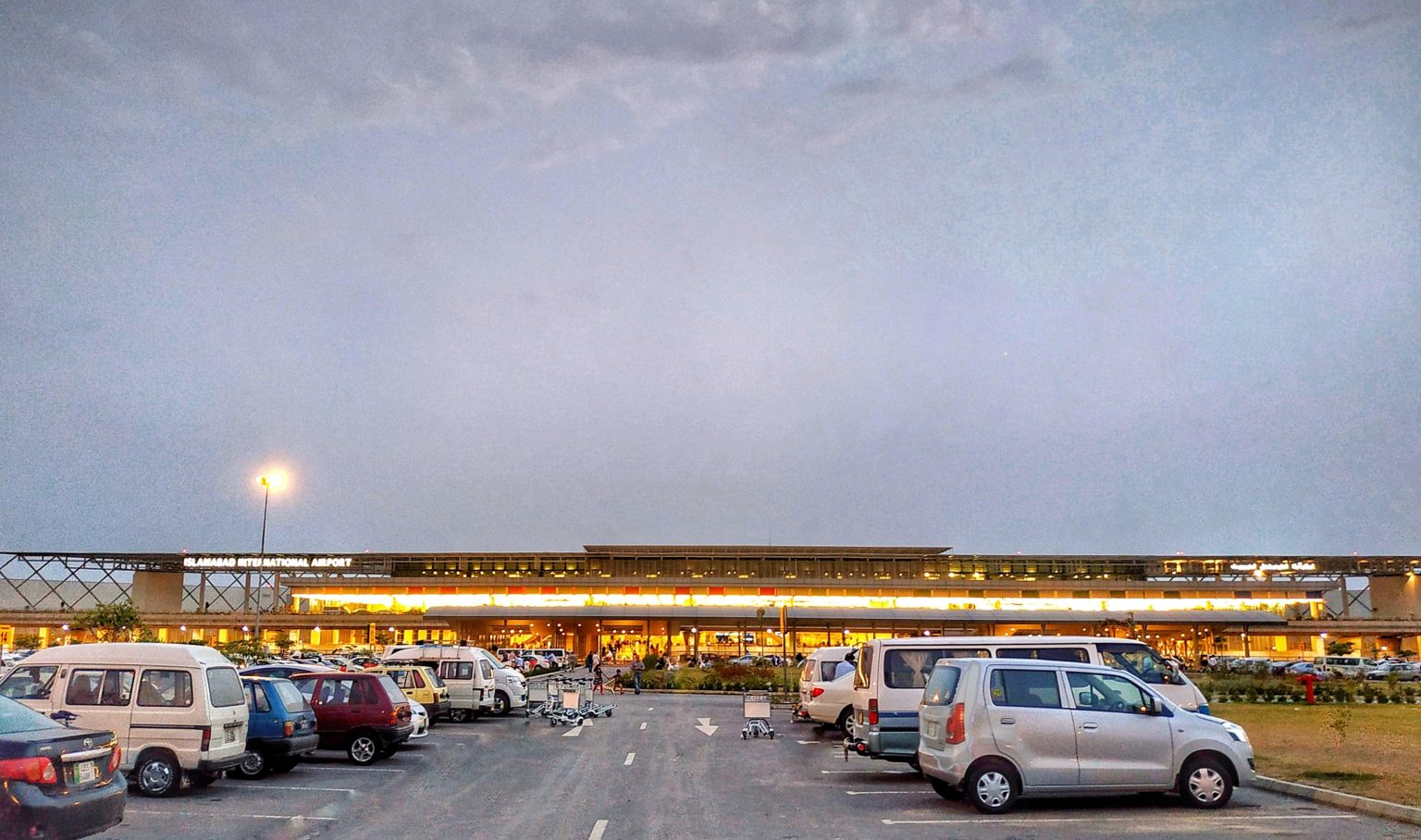
Travel
Green and Red channels, currency limits, restricted items, phones, gold and tips for visitors and overseas Pakistanis.
Pakistan's customs rules for travellers are set by the Federal Board of Revenue (FBR) under the Baggage Rules, 2006, which have been amended many times. In practice, five points matter to most passengers. First, you choose the Green Channel if you carry nothing to declare and the Red Channel if you carry restricted or dutiable goods. Second, arriving passengers must declare foreign currency above US$10,000 or its equivalent, and departing passengers must stay within set limits. Third, gold, jewellery and precious stones must be declared. Fourth, some goods are banned or restricted whatever your status. Fifth, allowances and duty rates change, so check the FBR travel guide close to your travel date.
This guide explains the rules in plain language and states clearly where a figure could not be confirmed from an official source today. Where the figure matters, use the FBR page or ask Customs at the airport.
The Baggage Rules treat passengers in different categories, and your category affects what you can bring in free of duty. The rules distinguish, among others:
Allowances can depend on how long you stayed abroad and on how often you have used them in the same year. Overseas Pakistanis should read our guide on life as an overseas Pakistani for more on documents and entitlements.
After collecting your bags you pass through customs. The FBR travel guide explains the two options.
The Green Channel is for passengers who do not carry restricted articles or goods, or goods above their duty-free allowance. Passengers pass without customs formalities, although officers may randomly ask to scan or inspect luggage. The FBR warns that anyone carrying prohibited, restricted or dutiable items through the Green Channel may face prosecution, penalties and confiscation.
The Red Channel is for passengers carrying restricted or dutiable goods. You pass after completing customs formalities, which can include paying duty. The FBR travel guide links to a duty calculator and a section on paying customs duty.
If you are unsure which channel applies, use the Red Channel and ask the officer. Choosing it when in doubt is far safer than being found with undeclared goods.
These limits come from the FBR's Baggage Rules amendments reported in 2022. They are the latest figures confirmed from a published notification, but limits can be revised, so confirm them before you travel.
| Situation | Rule | Notes |
|---|---|---|
| Arriving with foreign currency | Declare if the amount exceeds US$10,000 or equivalent | Introduced by SRO 1751(I)/2022, which replaced the earlier requirement to declare any amount |
| Departing, adult (18 or over) | Up to US$5,000 per visit and US$30,000 per year | Annual limit applies from calendar year 2023 under SRO 2201(I)/2022 |
| Departing, minor (under 18) | Up to US$2,500 per visit and US$15,000 per year | Same notification |
| Travel to Afghanistan | Separate limits apply | Check the notification or ask Customs |
| Carrying more than the limit when leaving | A declaration is required | Can be made electronically through WeBOC or manually at the airport |
The FBR passenger declaration covers prohibited or restricted goods (for example arms, ammunition, narcotics and satellite phones), gold and precious metals, jewellery, precious and semi-precious stones, foreign currency or bearer negotiable instruments above the limits, and any other goods that need declaring to Customs. Declarations can be made manually at the Customs counter or electronically. Failing to declare can lead to confiscation, fines and prosecution, and honest mistakes are treated much more leniently than hidden goods.
Allowances are listed in the Baggage Rules and the FBR's duty-free allowance pages, and they have been amended repeatedly. The points below are the ones confirmed from published sources.
Allowances are generally refused for goods in commercial quantities, and goods arriving separately can lose the allowance if they come much later than the passenger.

Do not pack the following without checking the law first.
Arms and ammunition cannot be imported as baggage without proper authorisation.
Drugs and psychotropic substances carry severe penalties. Also check that any prescription medicine you carry is in its original packaging, with a doctor's note.
Satellite phones are listed among the restricted items you must declare.
The Baggage Rules list alcoholic beverages and obscene or subversive literature among items not allowed as baggage.
Goods that infringe intellectual property rights can be seized.
Pakistanis living abroad are the largest group affected by the baggage rules, because they travel often and carry gifts, electronics and savings. Three points are worth knowing. First, the rules give transfer-of-residence returnees separate provisions, so someone moving back permanently should check those instead of the ordinary holiday allowance. Second, holders of the Foreign Exchange Remittance Card can earn duty credit linked to the amount they remit through official channels, according to the 2006 rules, but the credit cannot be used for vehicles. Third, unaccompanied or shipped baggage is treated differently from what you carry, and allowances can be lost if goods arrive long after you do.
If you are planning a longer stay or a permanent move, our guide for returning overseas Pakistanis covers the practical side, and the banking and payments guide explains how to move money legally.
For airport facilities and city connections, see the guide to flights and airports in Pakistan.
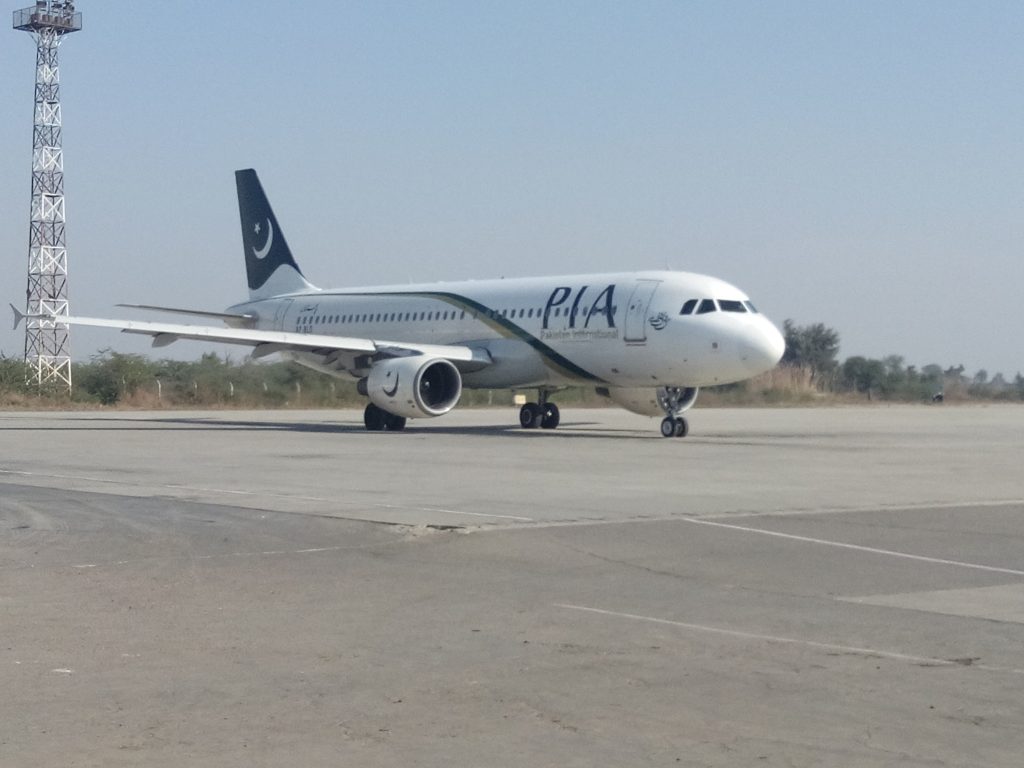
The FBR's Customs travel guide is the primary public source and has pages on the Green Channel, Red Channel, duty-free allowances, regulation of articles and goods, and the Currency Declaration System. The text of the Baggage Rules, 2006 and each amendment is published as a notification (SRO) on the FBR website. For questions on the day, speak to the Customs officer in the arrivals hall, and use official counters for any duty payment. For individual cases, such as shipping household goods or transferring residence, consult a licensed customs agent and confirm their charges in writing.
Related guides: phones brought in must be registered, see PTA mobile phone registration. Pilgrims should read the Hajj application guide and the Umrah visa and packages guide, and foreign visitors the e-visa guide. Checked October 2026: the currency figures above match the December 2022 FBR notification and the September 2022 report on the US$10,000 arrival declaration. Later amendments may exist, so confirm with Customs before you travel.
Arriving passengers must declare foreign currency above US$10,000 or its equivalent. This was set by SRO 1751(I)/2022, so check for later changes.
Under SRO 2201(I)/2022, an adult may take out up to US$5,000 per visit and US$30,000 per year, with lower limits for minors. Declarations above the limit go through WeBOC or at the airport.
Yes. The FBR passenger declaration lists gold, precious metals, jewellery and precious stones as items to declare. The notifications reviewed do not state a fixed gold allowance, so ask Customs.
The FBR chairman restored the policy of two phones for arriving passengers in December 2024, according to press reports. Check current rules, and remember PTA registration applies to phones used in Pakistan.
The Green Channel is for passengers with nothing restricted or dutiable to declare. The Red Channel is for passengers carrying restricted or dutiable goods, who pass after completing customs formalities.
The FBR says passengers carrying prohibited, restricted or dutiable items through the Green Channel may face prosecution, penalties and confiscation.
Yes. The Baggage Rules have a separate category for foreign nationals and tourists with their own allowances. Check the FBR guide for current figures.
The Baggage Rules list alcoholic beverages among the items not allowed as baggage. Do not pack alcohol in your luggage.
The Federal Board of Revenue publishes the Baggage Rules, 2006 and its amending notifications on its site, and its Travel Guide pages explain the green and red channels. Always check the latest amendment before you travel.
Rules and fees change, confirm with the official links below before you act.
From majestic mountains to vibrant cities, rich cuisine to timeless traditions — discover the real Pakistan with DailyLife.pk.
