
City guide
The Historic Streets of Multan
Known as the City of Saints, Multan pairs Sufi shrines and Mughal-era tombs with some of Punjab's best sohan halwa.
A city defined by its shrines
Tomb of Shah Rukn-e-Alam
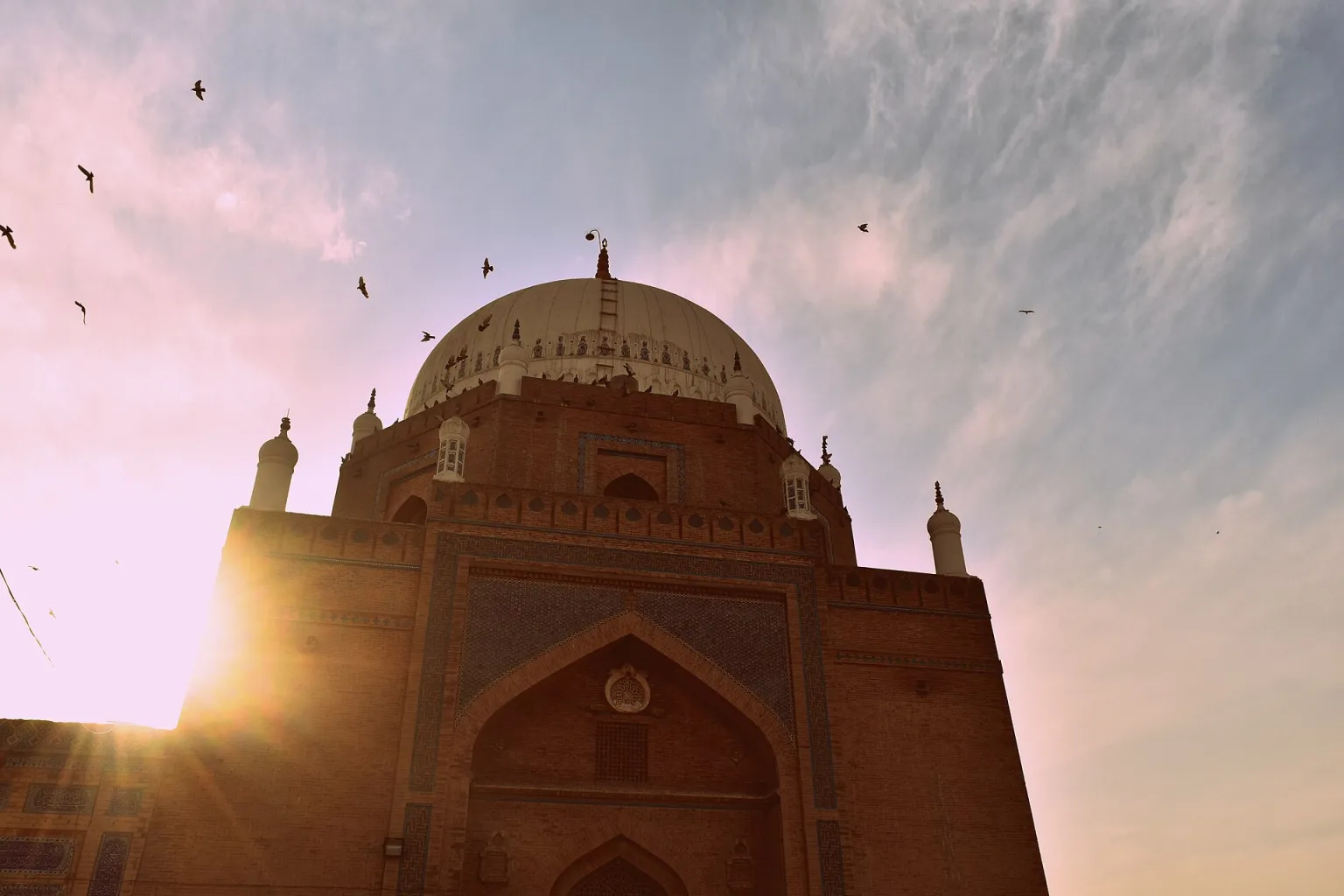
Tomb of Bahauddin Zakariya
Walking the old city
- Delhi Gate, one of the historic gates into Multan's walled old city, now a busy commercial area
- The bazaars around the old city, known for metalwork, textiles and the famous blue pottery
- Hussain Agahi Bazaar, a major commercial street cutting through the old city
- Multan Fort area, which held the city's original citadel though much of its structure has changed over centuries
What to eat in Multan
A note on the heat
Related guides
Frequently Asked Questions
Why is Multan called the City of Saints?
Multan has been a major centre of Sufi Islam for centuries, home to the shrines of several revered saints including Bahauddin Zakariya and Shah Rukn-e-Alam.
What is Multan famous for?
Multan is known for its Sufi shrines, blue pottery craft, sohan halwa, and its intense summer heat.
What is the best time to visit Multan?
November through February offers the most comfortable temperatures for exploring the old city on foot.
Is sohan halwa only available in Multan?
Sohan halwa is made elsewhere in Pakistan too, but Multan is widely regarded as its origin and the place to buy the most authentic versions.
How do I get to Multan?
Multan has its own international airport and is well connected by road and rail from major Pakistani cities including Lahore and Karachi.
How we know this
- Type Practical guide
- Sources 2 (1 official/academic)
- Reviewed October 2026
- Disputed points None
Rules and fees change, confirm with the official links below before you act.
Photo credits (5)
- Tomb of Bahauddin Zakariya, Multan 2016.jpg, Junaidshah11, CC BY-SA 4.0, via Wikimedia Commons
- Multan - Tomb of Shah Rukn-e-Alam (Mosque).jpg, Amirshafiquemughal, CC BY-SA 3.0, via Wikimedia Commons
- Delhi Gate Multan.jpg, Junaidahmadj, CC BY-SA 3.0, via Wikimedia Commons
- Sohan Halwa.JPG, Miansari66, Public domain, via Wikimedia Commons
- Multan Cantt Sadar Bazaar.jpg, Yasir72.multan, CC BY-SA 4.0, via Wikimedia Commons
