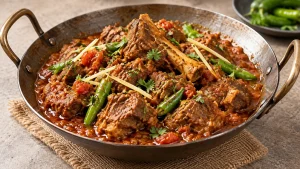
Shab Deg
شب دیگ
Covered, gentle stovetop slow-cooking; do not seal an unapproved vessel airtight.
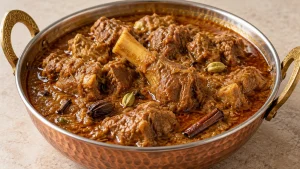
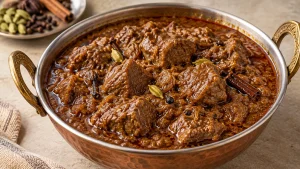
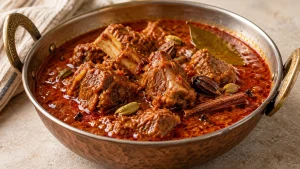
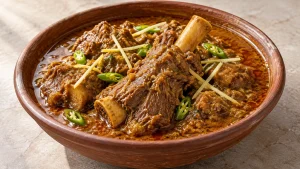
A Kashmir-associated slowly cooked meatball-and-turnip dish with yogurt, fennel and warming spices. This is a practical stovetop interpretation of a dish historically cooked gently for many hours; households prepare it differently.

Total includes 10 min of passive time described in the preparation and method. One tablespoon = 15 ml; one teaspoon = 5 ml.
About Shab Deg
A Kashmir-associated slowly cooked meatball-and-turnip dish with yogurt, fennel and warming spices. This is a practical stovetop interpretation of a dish historically cooked gently for many hours; households prepare it differently.
Personally cooked and tested by Zohair Fakhar for DailyLife.pk. Cooking times can vary with your stove, cookware and batch size; follow the texture and doneness cues in the method.
Make it work for your kitchen
Also known as Shab Daig, Shabdegh, Kashmiri Shab Deg.
Original quantities serve 6. Cooking times, pan size and frying-oil depth do not scale, cook in extra batches instead.
Before you start
Before you start
Set out accurately measured raw ingredients and a separate raw meat handling area. Do not rinse raw meat. Use only fresh, safely sourced meat; inspect bones and utensils. Prepare vegetables and spices before heating; use a thermometer where applicable. For broths, distinguish starting liquid from final strained yield.
Set up the equipment
Have the following tools ready before starting: Heavy, deep pot with well-fitting lid; Heat-safe tongs and ladle; Digital food thermometer; Accurate kitchen scale and liquid measuring jug; Large spoon or spatula and kitchen thermometer; Shallow containers for prompt cooling.
Clean workspaceMeasure the ingredients
Measure the ingredient quantities for your selected servings before applying heat. Keep separately listed groups, such as dough, filling, sauce or garnish, in separate containers; keep any optional additions separate.
Use the ingredient list aboveCheck allergens and substitutions
Check ingredient labels and any substitutions against these notes: Dairy; besan (chickpea); check spice blends
Before cooking
Step-by-step cooking method
1 Season and form the kofta
Mix raw ground goat or lamb, roasted chickpea flour (besan), grated ginger, minced garlic, half the fine salt, half the Kashmiri chilli powder, half the ground fennel and half the dried ginger powder.
2 Season and form the kofta (continued)
Form about 18 even meatballs with clean hands. Chill while making the sauce.
3 Brown the onions
Heat neutral cooking oil in a heavy pot over medium heat, add thin-sliced onion and cook 12–16 minutes until golden, stirring to prevent scorching.
4 Bloom and temper
Stir in cinnamon stick, cloves, green cardamom pods and bay leaf for 30 seconds; lower heat and add remaining spices and fine salt.
5 Build the yogurt sauce
Whisk plain yogurt, whisked separately, add gradually and stir over low heat for 5–7 minutes until smooth and aromatic, not boiled hard.
6 Cook the meatballs gently
Add two-thirds of hot water in stages, bring to a gentle simmer, lower the formed kofta into the sauce without crowding and cover loosely. Simmer 30–40 minutes without vigorous stirring, until each is firm and reaches 71°C (160°F) in the centre.
7 Add turnip and slow-cook
Add peeled turnips, medium wedges and remaining hot water as needed. Cover and simmer gently about 45–75 minutes until turnips are tender and the sauce is cohesive. Do not allow it to boil dry.
8 Finish and rest
Uncover if necessary to reduce for 5–10 minutes, inspect the meatballs and remove whole spices. Rest covered 10 minutes.
Chef’s tips
- Keep a gentle, steady simmer, not an aggressive rolling boil.
- Taste for salt at the end after evaporation has altered the concentration.
- Inspect every portion for whole spices or loose bone fragments.
Common mistakes & quick fixes
- Harsh bitter spices
- Avoid burning aromatics; keep heat moderate and strain whole spices before serving.
- Meat still tough
- Continue gentle covered cooking while maintaining adequate liquid; timings vary by cut.
- Thin or cloudy result
- For yakhni, skim foam and avoid vigorous boiling; do not thicken strained broth.
Variations & serving ideas
Variation: Adjust spice intensity carefully to household preference; recorded quantities are provisional.
Variation: Serve with plain roti or rice as an optional accompaniment, excluded from nutrition.
Variation: Do not interchange goat and beef timings without testing the different cuts.
Perfect result check
| Check | Meat is thoroughly cooked and appropriately tender, checked with a thermometer and/or doneness tests. |
|---|---|
| Check | No loose bone fragments or unsafe hard spice pieces remain in edible portions. |
| Check | Turnips are tender and kofta retain their shape without raw centres. |
Storage & reheating
| Fridge | Transfer to shallow containers and refrigerate promptly within 2 hours (within 1 hour above 32°C ambient). | |
|---|---|---|
| Fridge | 3–4 days | Keep covered at 4°C or below; use refrigerated cooked meat or broth within 3–4 days, or freeze promptly in suitable portions. |
| Reheating | Reheat leftovers until thoroughly hot (74°C/165°F). Defrost in the refrigerator, not at room temperature. | |
| Fridge | If skimming fat from broth after chilling, cool promptly and refrigerate safely before removing hardened fat. |
Know when to change the heat
| Stage | Heat | What to look for |
|---|---|---|
| Season and form the kofta | No heat | Even meatballs hold together; reserve half the divided seasonings for the sauce and chill the formed kofta. |
| Brown the onions | Medium heat | Onions become golden without scorched edges. |
| Bloom and temper | Low heat | Whole spices smell aromatic; reserved ground spices join at lower heat. |
| Build the yogurt sauce | Low heat | Smooth yogurt integrates gradually without a hard boil. |
| Cook the meatballs gently | Low heat | Gentle bubbles set the kofta without breaking them; check the centres with a food thermometer. |
| Add turnip and slow-cook | Low heat | Turnips become tender and the sauce stays moist and cohesive. |
| Finish and rest | Medium-low then off | Reduce excess liquid only if needed; remove whole spices and rest covered off heat. |
Helpful answers before you cook
Why are the kofta breaking apart?
Form evenly sized meatballs with the measured roasted besan and chill them while making the sauce. Lower them gently into simmering liquid without crowding. Avoid vigorous boiling or stirring while the meatballs are setting.
How are the spices divided between the kofta and sauce?
Use half the measured salt, Kashmiri chilli, fennel and dried ginger in the meatball mixture. Reserve the remainder for the sauce. The whole cinnamon, cloves, cardamom and bay leaf belong to the sauce stage.
When do the turnips go into the pot?
Add the prepared turnip wedges after the meatballs have completed their initial cooking stage. Add the remaining measured water as needed and simmer gently until the turnips are tender. Reduce excess sauce briefly at the end rather than letting the pot boil dry.