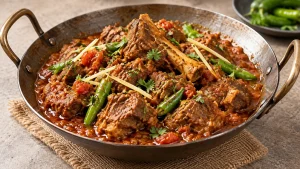
Namkeen Gosht
نمکین گوشت
Covered simmer, then gentle uncovered reduction
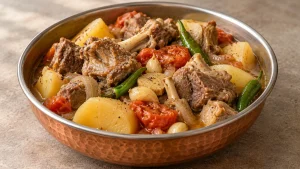
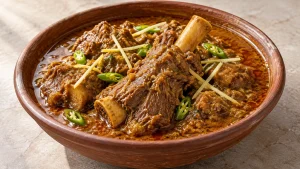
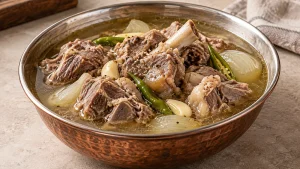
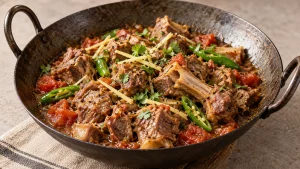
A restrained Pashtun-style goat or lamb preparation in which meat, salt, pepper and its own juices lead, without a tomato masala. This is one mild stovetop interpretation, not a universal regional formula.

Total includes 5 min of passive time described in the preparation and method. One tablespoon = 15 ml; one teaspoon = 5 ml.
About Namkeen Gosht
A restrained Pashtun-style goat or lamb preparation in which meat, salt, pepper and its own juices lead, without a tomato masala. This is one mild stovetop interpretation, not a universal regional formula.
Personally cooked and tested by Zohair Fakhar for DailyLife.pk. Cooking times can vary with your stove, cookware and batch size; follow the texture and doneness cues in the method.
Make it work for your kitchen
Also known as Peshawari Namkeen Gosht, Namak Mandi Gosht.
Original quantities serve 6. Cooking times, pan size and frying-oil depth do not scale, cook in extra batches instead.
Before you start
Before you start
Inspect butcher-prepared meat for bone fragments; do not wash raw meat. Measure all ingredients separately; 1 tablespoon = 15 ml and 1 teaspoon = 5 ml. Plan vessel capacity, mild simmer and storage containers before beginning.
Set up the equipment
Have the following tools ready before starting: Large heavy-bottomed lidded cooking pot rated for intended heat source; Kitchen scale and measuring jug; Food thermometer; Long stirring spoon, tongs and shallow cooling containers.
Clean workspaceMeasure the ingredients
Measure the ingredient quantities for your selected servings before applying heat. Keep separately listed groups, such as dough, filling, sauce or garnish, in separate containers; keep any optional additions separate.
Use the ingredient list aboveCheck allergens and substitutions
Check ingredient labels and any substitutions against these notes: Dairy (ghee), if included; check ingredient substitutions
Before cooking
Step-by-step cooking method
1 Inspect and portion
Inspect bone-in goat shoulder or leg, raw for loose bone splinters, trim only visibly excessive fat, and pat dry.
2 Inspect and portion (continued)
Crush crushed peeled garlic and freshly crushed black pepper and measure hot drinking water for covered simmer.
3 Gently sear the meat
Warm ghee in a thick-bottomed pot on medium heat. Add bone-in goat shoulder or leg, raw in batches; turn until the surface loses its raw colour and has light golden patches, without scorching.
4 Start the broth
Add crushed peeled garlic, fine salt and half of freshly crushed black pepper; stir 1 minute. Pour in hot drinking water for covered simmer, scrape the base, then bring to a simmer.
5 Cook slowly until tender
Cover with a vented lid and maintain a gentle simmer, checking every 20 minutes.
6 Cook slowly until tender (continued)
Add small, recorded amounts of hot water only if needed to avoid a dry pan. Bone-in meat must cook safely and become fork-tender; timing varies by cut.
7 Reduce and season
When meat is tender, uncover and reduce watery liquid carefully until the meat is lightly glossy. Add the remaining freshly crushed black pepper and taste before adjusting seasoning; avoid frying the pan dry.
8 Finish and rest
Add slit green chillies only if using; warm briefly, switch off heat and rest covered. Check for bone fragments when serving.
Chef’s tips
- Use controlled gentle heat after initial browning; tough meat requires more time, not higher heat.
- Measure any extra water added and document finished yield before nutrition calculation.
- Scale ingredients by weight; pot size, evaporation and cooking duration require human judgment.
Common mistakes & quick fixes
- Meat remains tough
- Add measured hot water if needed and continue a gentle covered simmer until tender.
- Pan begins catching
- Immediately lower heat; transfer unburnt food to a clean pot rather than scraping a scorched base.
- Gravy too thin or too thick
- Reduce gradually or add measured hot liquid; do not change thickener blindly.
Variations & serving ideas
Variation: Adjust chillies to taste without assuming other ingredient or cooking times stay identical.
Variation: Serve with naan, roti or rice; accompaniments are excluded from nutrition.
Variation: Alternative animal cuts require separate tenderness, yield and nutrition verification.
Perfect result check
| Check | Meat is fully cooked, sufficiently tender and checked with a thermometer. |
|---|---|
| Check | No loose bone fragments remain in portions. |
| Check | The meat is lightly glossy with reduced cooking juices, without a dry or scorched pan. |
Storage & reheating
| Fridge | Cool promptly in shallow covered containers; refrigerate within 2 hours, or within 1 hour if ambient temperature exceeds 32°C. | |
|---|---|---|
| Fridge | 3–4 days | Refrigerate at 4°C or colder, use within 3–4 days or freeze promptly. |
| Reheating | Reheat leftovers thoroughly to 74°C (165°F); discard improperly stored food. |
Know when to change the heat
| Stage | Heat | What to look for |
|---|---|---|
| Inspect and portion | No heat | Meat is checked for fragments; garlic, pepper and initial water are measured. |
| Gently sear the meat | Medium heat | Meat surfaces become opaque with light golden patches, without scorched fat. |
| Start the broth | Medium heat | Garlic becomes fragrant, then the measured water loosens the base and reaches a simmer. |
| Cook slowly until tender | Low heat | Gentle covered bubbles and adequate moisture soften the meat until fork-tender. |
| Reduce and season | Medium-low heat | Excess liquid reduces to a light gloss; add reserved pepper without frying the pan dry. |
| Finish and rest | Low then off | Optional chillies warm briefly; rest covered off heat before serving. |
Helpful answers before you cook
Should Namkeen Gosht have a thick masala gravy?
This version uses a simple garlic, salt and black-pepper base. Once the meat is tender, reduce watery juices until the meat is lightly glossy. Do not fry the pan dry or reduce before the meat has softened.
When do I add the black pepper?
Use half the measured pepper with the garlic and salt, and add the remainder after the meat is tender during the final reduction. Taste before adjusting salt because the juices become more concentrated.
What if the pot dries while the meat is still tough?
Lower the heat, add a small measured amount of hot water and continue the covered gentle simmer. Check regularly rather than relying only on the listed time. Wait for fork-tender meat before reducing uncovered.