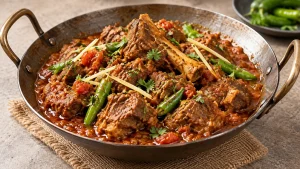
Kunna Gosht
کنّا گوشت
Heavy-pot simmer and atta slurry thickening; clay pot only if heat-rated and food-safe
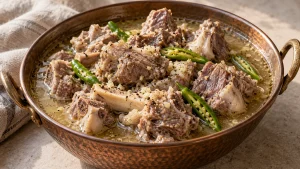
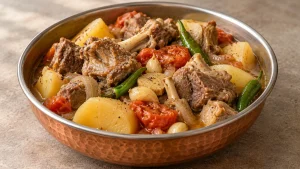
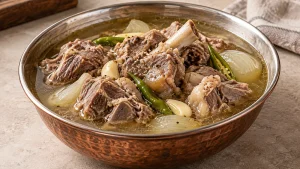
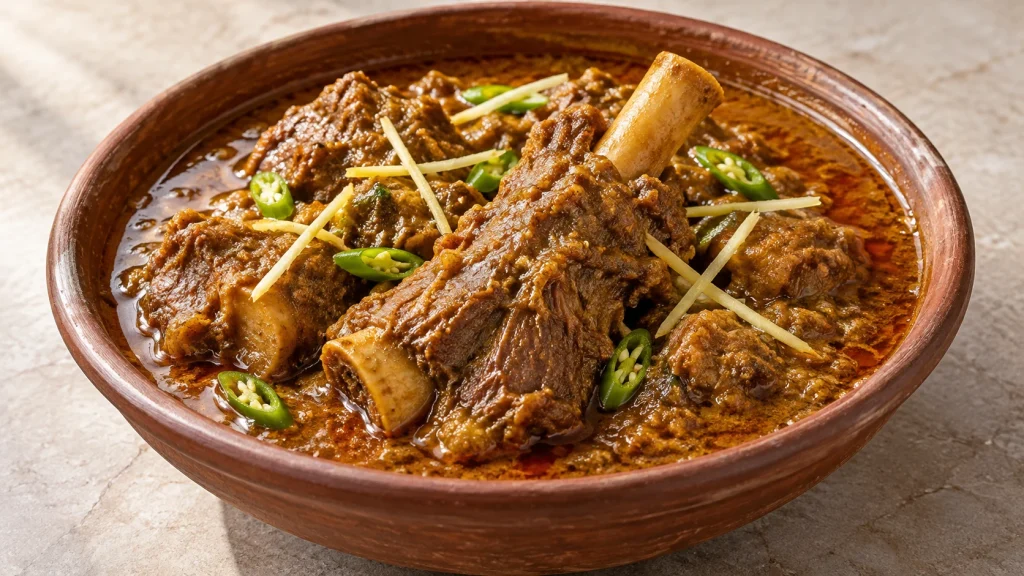
A Chiniot-associated slow-cooked bone-in goat curry with finely ground aromatics and a smooth flour-thickened sauce, traditionally prepared in an earthenware kunna.
Total includes 10 min of passive time described in the preparation and method. One tablespoon = 15 ml; one teaspoon = 5 ml.
About Kunna Gosht
A Chiniot-associated slow-cooked bone-in goat curry with finely ground aromatics and a smooth flour-thickened sauce, traditionally prepared in an earthenware kunna.
Personally cooked and tested by Zohair Fakhar for DailyLife.pk. Cooking times can vary with your stove, cookware and batch size; follow the texture and doneness cues in the method.
Make it work for your kitchen
Also known as Chinioti Kunna, Chinioti Kunna Gosht, Mutton Kunna.
Original quantities serve 6. Cooking times, pan size and frying-oil depth do not scale, cook in extra batches instead.
Before you start
Before you start
Inspect butcher-prepared meat for bone fragments; do not wash raw meat. Measure all ingredients separately; 1 tablespoon = 15 ml and 1 teaspoon = 5 ml. Plan vessel capacity, mild simmer and storage containers before beginning.
Set up the equipment
Have the following tools ready before starting: Large heavy-bottomed lidded cooking pot rated for intended heat source; Kitchen scale and measuring jug; Food thermometer; Long stirring spoon, tongs and shallow cooling containers.
Clean workspaceMeasure the ingredients
Measure the ingredient quantities for your selected servings before applying heat. Keep separately listed groups, such as dough, filling, sauce or garnish, in separate containers; keep any optional additions separate.
Use the ingredient list aboveCheck allergens and substitutions
Check ingredient labels and any substitutions against these notes: Wheat/gluten, dairy
Before cooking
Step-by-step cooking method
1 Prepare the meat and slurry components
Inspect bone-in goat leg or shank, raw for loose bone fragments and dry the surface.
2 Prepare the meat and slurry components (continued)
Slice thinly sliced onion, mince minced fresh ginger and crushed fresh garlic. Keep whole-wheat flour for slurry and cool water for flour slurry separate until the finishing stage.
3 Brown the onion
Heat neutral cooking oil and ghee in a heavy pot. Cook thinly sliced onion until evenly golden, stirring to avoid bitter burnt patches.
4 Bhuno goat and spices
Add bone-in goat leg or shank, raw and turn until the raw surface changes colour. Add minced fresh ginger, crushed fresh garlic, ground coriander, ground red chilli, ground turmeric, salt and ground cumin; stir until aromatic.
5 Add yogurt gradually
Lower heat; stir plain unsweetened yogurt until smooth, then add in portions. Cook while stirring until it integrates rather than separating.
6 Simmer to tenderness
Add initial hot water for simmering, scrape the base and bring to a gentle simmer. Cover loosely and cook slowly, checking moisture every 20–25 minutes. Add measured water only if needed. Do not thicken before the goat is tender.
7 Whisk in the flour slurry
Mix whole-wheat flour for slurry thoroughly with cool water for flour slurry until smooth. Stir into the simmering gravy in a thin stream. Keep at a gentle simmer, stirring often, until the sauce coats a spoon and no raw flour taste remains.
8 Finish and rest
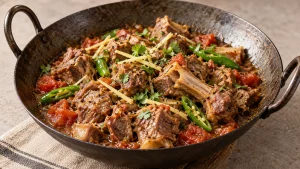
Add garam masala near the end; taste carefully and adjust after checking saltiness. Top with optional julienned fresh ginger and sliced green chillies. Rest covered and check for bones before serving.
Chef’s tips
- Use controlled gentle heat after initial browning; tough meat requires more time, not higher heat.
- Measure any extra water added and document finished yield before nutrition calculation.
- Scale ingredients by weight; pot size, evaporation and cooking duration require human judgment.
Common mistakes & quick fixes
- Meat remains tough
- Add measured hot water if needed and continue a gentle covered simmer until tender.
- Pan begins catching
- Immediately lower heat; transfer unburnt food to a clean pot rather than scraping a scorched base.
- Gravy too thin or too thick
- Reduce gradually or add measured hot liquid; do not change thickener blindly.
Variations & serving ideas
Variation: Adjust chillies to taste without assuming other ingredient or cooking times stay identical.
Variation: Serve with naan, roti or rice; accompaniments are excluded from nutrition.
Variation: Alternative animal cuts require separate tenderness, yield and nutrition verification.
Perfect result check
| Check | Meat is fully cooked, sufficiently tender and checked with a thermometer. |
|---|---|
| Check | No loose bone fragments remain in portions. |
| Check | The atta-thickened gravy is smooth and coats a spoon without dry flour lumps. |
Storage & reheating
| Fridge | Cool promptly in shallow covered containers; refrigerate within 2 hours, or within 1 hour if ambient temperature exceeds 32°C. | |
|---|---|---|
| Fridge | 3–4 days | Refrigerate at 4°C or colder, use within 3–4 days or freeze promptly. |
| Reheating | Reheat leftovers thoroughly to 74°C (165°F); discard improperly stored food. |
Know when to change the heat
| Stage | Heat | What to look for |
|---|---|---|
| Prepare the meat and slurry components | No heat | Meat is checked for fragments; the atta and cool slurry water stay separate until finishing. |
| Brown the onion | Medium heat | Onions become evenly golden without blackened patches. |
| Bhuno goat and spices | Medium heat | Meat surfaces change colour and the spices smell aromatic without scorching. |
| Add yogurt gradually | Medium-low heat | Smooth yogurt integrates gradually at lower heat. |
| Simmer to tenderness | Low heat | Gentle bubbles and adequate liquid maintain the long simmer; meat is tender before thickening. |
| Whisk in the flour slurry | Low heat | Smooth slurry enters in a thin stream; gravy thickens evenly and coats a spoon as it simmers. |
| Finish and rest | Low then off | Garam masala and optional garnish finish the dish; rest covered off heat. |
Helpful answers before you cook
When should I add the atta slurry?
Wait until the goat is tender. Adding flour earlier thickens the liquid while the meat still needs a long simmer and makes the gravy more likely to catch. Use the separately listed cool slurry water, not additional unmeasured flour or water.
How do I keep the gravy free of flour lumps?
Mix the measured whole-wheat flour with the cool slurry water until smooth before adding it. Pour it in a thin stream while stirring the gently simmering gravy, then keep stirring often as it thickens. Do not sprinkle dry flour directly into the pot.
Why is the goat still tough?
Leg and shank pieces vary in tenderness. Continue a gentle simmer before the thickening stage, checking the liquid regularly and adding measured water only if necessary. The meat should be fork-tender before the atta goes in.