Chicken Achari
اچاری چکن
Stovetop heavy pan or karahi
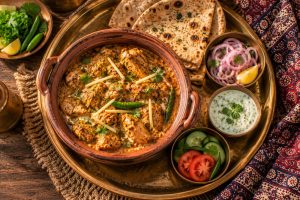
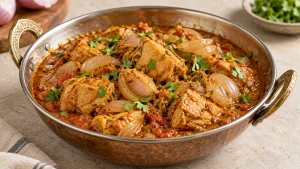
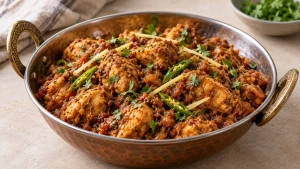
A tangy Pakistani chicken curry seasoned with a coarsely crushed mixture of pickling spices, lemon and tomatoes; a home-style curry rather than the drier Achari Chicken Karahi.

Total includes 5 min of passive time described in the preparation and method. One tablespoon = 15 ml; one teaspoon = 5 ml.
About Chicken Achari
A tangy Pakistani chicken curry seasoned with a coarsely crushed mixture of pickling spices, lemon and tomatoes; a home-style curry rather than the drier Achari Chicken Karahi.
Personally cooked and tested by Zohair Fakhar for DailyLife.pk. Cooking times can vary with your stove, cookware and batch size; follow the texture and doneness cues in the method.
Make it work for your kitchen
Also known as Achari Murgh, Achari Chicken Curry.
Original quantities serve 4. Cooking times, pan size and frying-oil depth do not scale, cook in extra batches instead.
Before you start
Before you start
Weigh ingredients; chop vegetables before handling raw chicken. Keep raw chicken refrigerated and separate from ready-to-eat ingredients. Do not wash raw chicken. Prepare finishing ingredients in separate bowls.
Set up the equipment
Have the following tools ready before starting: Heavy-based karahi or wide deep pan with lid; Kitchen scale and measuring spoons; Digital probe thermometer; Clean chopping board and spatula.
Clean workspaceMeasure the ingredients
Measure the ingredient quantities for your selected servings before applying heat. Keep separately listed groups, such as dough, filling, sauce or garnish, in separate containers; keep any optional additions separate.
Use the ingredient list aboveCheck allergens and substitutions
Check ingredient labels and any substitutions against these notes: Mustard seeds; verify purchased spice allergen labels
Before cooking
Step-by-step cooking method
1 Crush the pickling spices
Lightly crush fennel seeds, nigella seeds, mustard seeds, fenugreek seeds and cumin seeds together; do not powder them to dust.
2 Build the onion base
Heat neutral cooking oil in a heavy pan over medium heat.
3 Build the onion base (continued)
Add onion and soften, stirring, until pale gold, about 7–9 minutes; stir in ginger-garlic paste for 1 minute.
4 Bloom spices and sear chicken
Add half the crushed spices, ground turmeric, ground red chilli and ground coriander.
5 Bloom spices and sear chicken (continued)
Stir 30 seconds, then add raw boneless chicken thigh and turn 5–6 minutes until the surface loses its raw colour.
6 Reduce the tomato masala
Add tomatoes and fine salt; cook uncovered, stirring often, about 9–12 minutes until the tomato has softened and the oil begins to show around the edges.
7 Simmer safely
Add water a little at a time only if the pan is drying; cover loosely and simmer gently about 12–18 minutes, stirring occasionally, until chicken reaches 74°C/165°F at its thickest point.
8 Finish bright and tangy
Stir in lemon juice and remaining crushed achari spices; simmer uncovered 2 minutes, taste, and optionally finish with dried fenugreek leaves and fresh coriander leaves.
Chef’s tips
- Cut chicken pieces to similar size for even cooking.
- Taste salt and acidity only after the chicken is fully cooked.
- Keep the sauce gently simmering; boiling hard after yogurt can cause splitting.
Common mistakes & quick fixes
- Chicken cooked but sauce watery
- Remove lid and reduce over medium heat while stirring; do not overcook chicken.
- Masala catches at the bottom
- Reduce flame and add 1–2 tbsp from the measured water, scraping gently.
- Chicken seems cooked by colour only
- Verify 74°C/165°F using a probe thermometer.
Variations & serving ideas
Variation: Reduce chilli for a mild family version; do not replace the signature distinguishing aromatics.
Variation: Use boneless breast if preferred but monitor doneness closely to avoid dryness.
Variation: Serve with fresh chapati or plain basmati rice (accompaniments excluded from nutrition).
Perfect result check
| Check | Chicken reaches 74°C internally |
|---|---|
| Check | Tomato masala is cooked down, tangy and aromatic, without scorched spices. |
| Check | No excessive surface oil pooling; seasoning balanced after tasting |
Storage & reheating
| Cooling | Refrigerate in shallow covered containers within 2 hours (1 hour above 32°C/90°F). | |
|---|---|---|
| Fridge | 3–4 days | Use refrigerated cooked leftovers within 3–4 days, or freeze promptly; thaw in refrigerator. |
| Reheating | Reheat leftovers to 74°C/165°F throughout. Do not repeatedly warm the entire batch. |
Know when to change the heat
| Stage | Heat | What to look for |
|---|---|---|
| Crush the pickling spices | No heat | Spices should be lightly cracked, not reduced to a fine powder. Keep the finishing portion separate. |
| Build the onion base | Medium heat | Onion should soften to pale gold and ginger-garlic smell fragrant without burnt edges. |
| Bloom spices and sear chicken | Medium heat | Bloom spices briefly without scorching, then coat the chicken; loss of surface raw colour is only an intermediate cue. |
| Reduce the tomato masala | Medium heat | Tomatoes should collapse into a thick masala rather than remain a watery pool. |
| Simmer safely | Low heat | Maintain a gentle simmer; add water only if needed and probe the thickest chicken centre for 74°C/165°F. |
| Finish bright and tangy | Low heat | Finish with lemon and the reserved spice portion; simmer briefly and taste for a tangy, balanced coating. |
Helpful answers before you cook
Can I use bone-in chicken?
Bone-in pieces change the edible yield and usually need a longer simmer than the listed boneless thigh pieces. Keep sizes even, use enough liquid to avoid catching and confirm at least 74°C/165°F in the thickest meat away from bone. Do not use the boneless timer alone.
Can I prepare the masala ahead?
Yes. Cook the onion-tomato base, cool it promptly in shallow portions and refrigerate. Reheat it thoroughly before adding fresh chicken, then complete the cooking and thermometer check. Keep the original storage clock for the prepared base.
Why does my achari chicken taste bitter?
Too much fenugreek seed or scorched whole spices can make the masala bitter. Use the listed small seed allowance and crush lightly rather than grinding everything to dust. Stir the spices briefly over moderate heat, then continue the method before they darken or burn.