Charsi Karahi
چرسی کڑاہی
Covered tenderizing followed by open-karahi tomato reduction
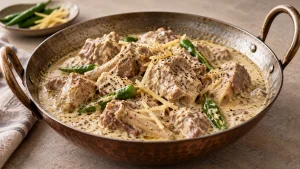
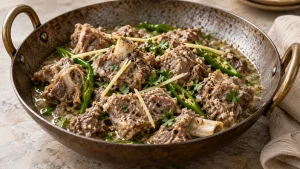
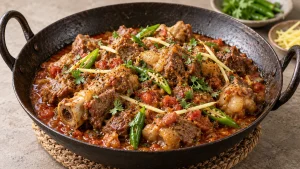
A restrained Peshawar/Namak Mandi-associated mutton karahi using garlic, tomatoes and green chillies, with a rich meat-and-fat flavour. "Charsi" is the established dish name, not an ingredient.

Total includes 5 min of passive time described in the preparation and method. One tablespoon = 15 ml; one teaspoon = 5 ml.
About Charsi Karahi
A restrained Peshawar/Namak Mandi-associated mutton karahi using garlic, tomatoes and green chillies, with a rich meat-and-fat flavour. "Charsi" is the established dish name, not an ingredient.
Personally cooked and tested by Zohair Fakhar for DailyLife.pk. Cooking times can vary with your stove, cookware and batch size; follow the texture and doneness cues in the method.
Make it work for your kitchen
Also known as Peshawari Charsi Mutton Karahi, Namak Mandi Charsi Karahi.
Original quantities serve 6. Cooking times, pan size and frying-oil depth do not scale, cook in extra batches instead.
Before you start
Before you start
Use only inspected, food-grade, butcher-prepared meat; never rinse raw meat. Measure all ingredients by weight; 1 tablespoon = 15 ml and 1 teaspoon = 5 ml. Plan a gentle covered simmer, a food thermometer and a separate stage for finish ingredients.
Set up the equipment
Have the following tools ready before starting: Deep heavy karahi or wide heavy pot with fitted lid; Kitchen scale, measuring jug and spoons; Food thermometer; Tongs, long spatula and covered cooling containers.
Clean workspaceMeasure the ingredients
Measure the ingredient quantities for your selected servings before applying heat. Keep separately listed groups, such as dough, filling, sauce or garnish, in separate containers; keep any optional additions separate.
Use the ingredient list aboveCheck allergens and substitutions
Check ingredient labels and any substitutions against these notes: No major allergens declared in base ingredients; confirm packaged ingredients
Before cooking
Step-by-step cooking method
1 Prepare the cut
Pat bone-in goat or lamb shoulder, raw dry and remove obvious bone splinters.
2 Prepare the cut (continued)
Measure rendered edible lamb fat or neutral cooking oil, hot water, initial measured amount and crushed garlic before heating.
3 Start the meat
Heat rendered edible lamb fat or neutral cooking oil at medium; add bone-in goat or lamb shoulder, raw in batches and turn for light colouring. Add crushed garlic and stir until fragrant, without burning.
4 Simmer until tender
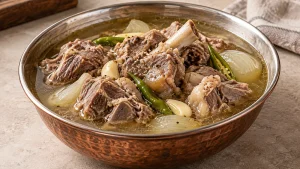
Add hot water, initial measured amount and most of salt; bring to a boil, cover and simmer gently, checking every 20 minutes.
5 Simmer until tender (continued)
Add a little hot water only if the pot dries. Continue until cooked and fork-tender.
6 Soften the tomatoes
Add ripe tomatoes, halved halves, cover briefly to soften and peel skins with tongs if preferred. Do not force the tomato stage while meat is tough.
7 Reduce in the karahi
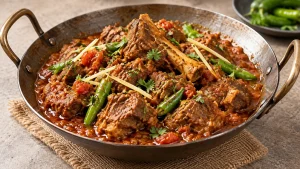
Mash softened tomatoes and cook uncovered, stirring often until excess liquid evaporates and the sauce clings to meat.
8 Season and finish
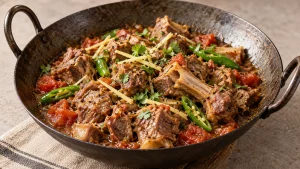
Add green chillies, slit and adjust with remaining salt. Cook until chilli loses its raw edge; finish with optional ginger, julienned and fresh coriander, chopped. Remove loose bones and serve hot.
Chef’s tips
- Use gentle heat to tenderize meat before reducing sauce.
- For larger quantities cook in batches; pot capacity and evaporation do not scale linearly.
- Serve freshly cooked with naan or roti, excluded from nutrition.
Common mistakes & quick fixes
- Meat is chewy
- Add a small amount of hot water and return to a covered gentle simmer.
- Sauce or broth scorches
- Lower heat; move unburnt food to clean pot if needed, leaving any burnt layer behind.
- Salt becomes excessive
- Season cautiously before reduction, then taste at the finish.
Variations & serving ideas
Variation: Adjust green chilli for mild or hot preference without changing the core cooking approach.
Variation: Serve with naan, roti or rice; accompaniments are not included in batch nutrition.
Variation: Do not change animal, meat cut or dairy content without rechecking timing, allergens and nutrition.
Perfect result check
| Check | Meat is tender and appropriately cooked, with no loose bone fragments. |
|---|---|
| Check | Tomato sauce coats the tender meat, without a watery pool or scorched base. |
| Check | Correct finishing aromatics and seasoning are present. |
Storage & reheating
| Cooling | Refrigerate in shallow covered containers within 2 hours (within 1 hour in temperatures above 32°C); 4°C or below. | |
|---|---|---|
| Fridge | 3–4 days | Eat refrigerated leftovers within 3–4 days or freeze promptly; reheat leftovers to 74°C (165°F). |
| Storage | Discard food left at room temperature beyond food-safety limits. |
Know when to change the heat
| Stage | Heat | What to look for |
|---|---|---|
| Prepare the cut | No heat | Prepare even shoulder pieces, inspect for bone splinters and have the measured ingredients ready before heating. |
| Start the meat | Medium heat | Meat should colour lightly in batches; garlic should become fragrant without burning. |
| Simmer until tender | High then low heat | Keep a gentle covered simmer with enough liquid until the shoulder is fork-tender. |
| Soften the tomatoes | Medium-low heat | Tomatoes should soften enough to mash; remove skins carefully with tongs if preferred. |
| Reduce in the karahi | Medium to medium-high heat | Stir as excess moisture evaporates. Stop at a coating sauce and lower heat if the base catches. |
| Season and finish | Medium-low heat | Cook the chillies briefly, check seasoning and add optional fresh ginger and coriander near serving. |
Helpful answers before you cook
Why is my charsi karahi watery?
The meat simmer and tomatoes both contribute liquid. Tenderise the meat first, soften the tomatoes, then reduce uncovered while stirring until the sauce clings. Use hot-water top-ups only when the covered pot needs them; adding more fat will not remove excess water.
Can I use goat and lamb with the same cooking time?
Use the stated times as a planning guide. Tenderness depends on the animal, cut and piece size; continue the gentle covered simmer until the shoulder is fork-tender before moving to tomato reduction. Do not let the pot dry while waiting for tougher pieces.
How do I know it is done?
Use a food thermometer with the relevant cut and animal, and check fork tenderness. Remove loose bone fragments. Do not rely only on a stated minute count.