
Planning
Pakistan Month by Month
What each month is like for travellers, region by region: when the plains are comfortable, when the mountain roads open, and when to stay away from the monsoon.
- January to December
- Plains, mountains and coast compared
- Qualitative: confirm forecasts locally
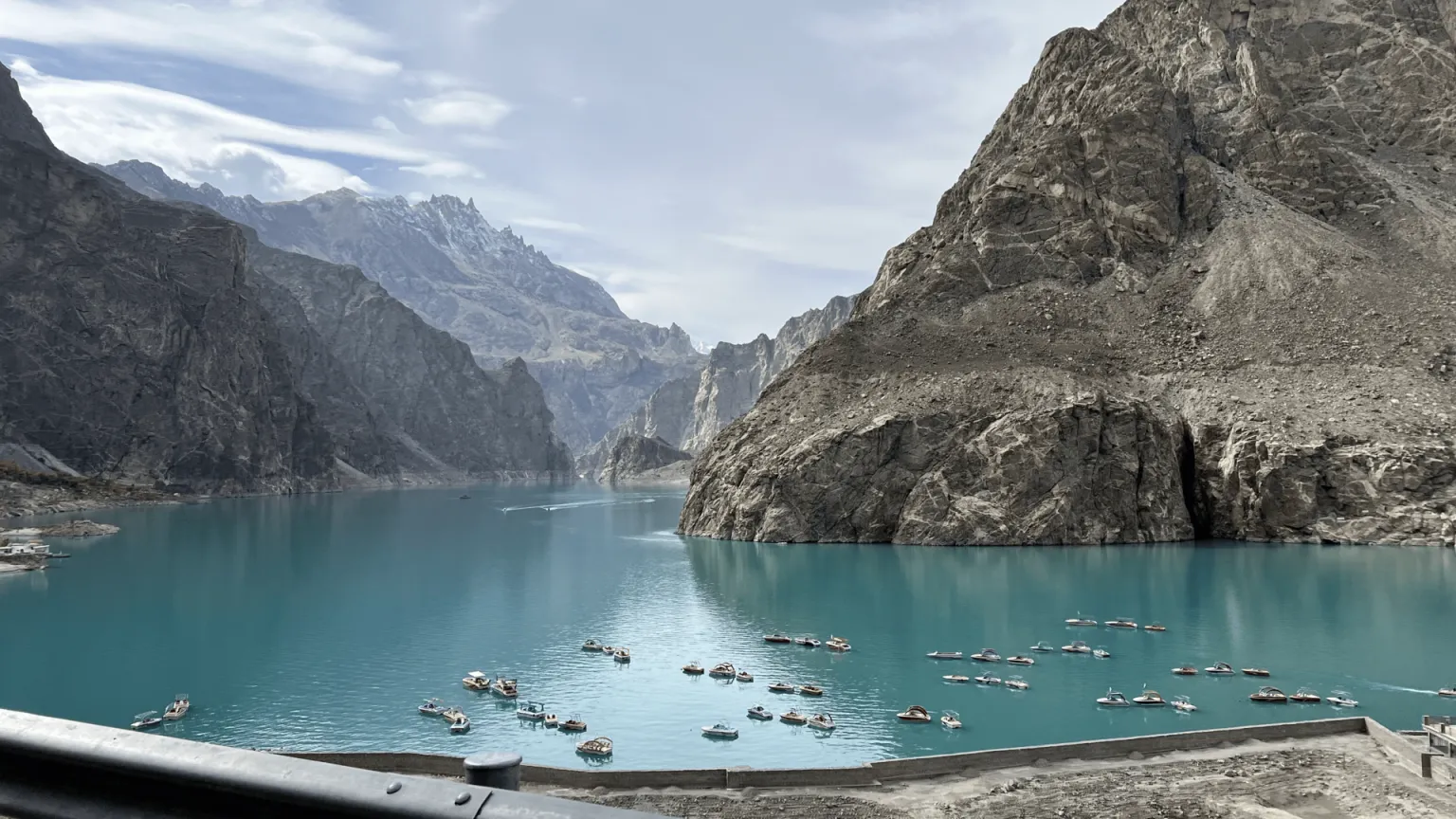
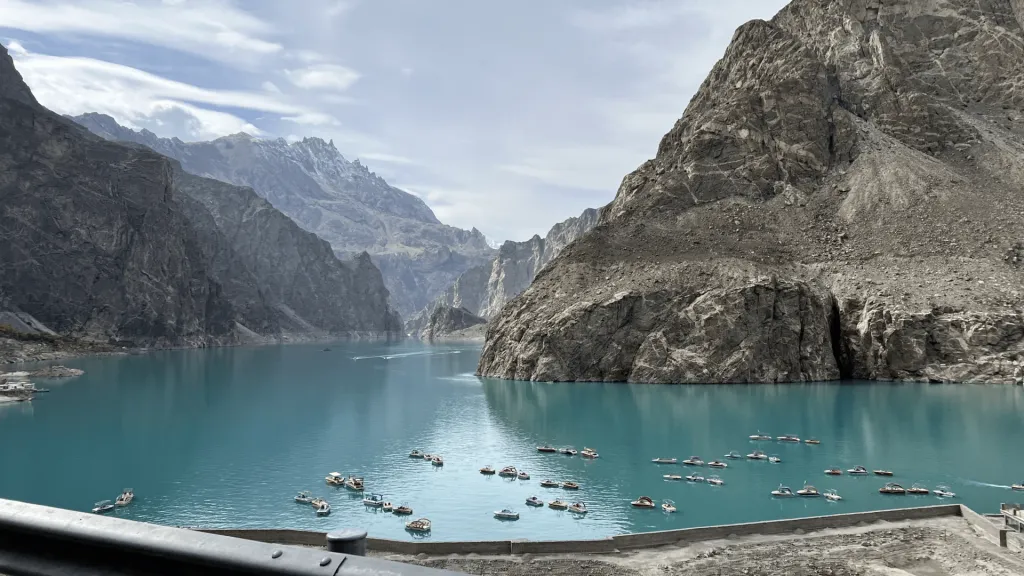
Attabad Lake, Hunza, in autumn
How to read this guide
Pakistan has no single travel season, because the country stretches from the Arabian Sea to the Karakoram. The same month can be pleasant in Lahore, impossible on a high pass and humid on the coast. This guide takes the calendar month by month and keeps the picture qualitative: it does not promise temperatures, because conditions vary by year and by altitude.
The national climate pattern is simple to remember. Winter runs from December to February, spring from March to May, a summer monsoon from June to September, and a dry retreating-monsoon autumn in October and November. The monsoon does not reach every part equally: climate references note that western Balochistan, Chitral and Gilgit-Baltistan are largely outside it, which is why the high north can be a refuge in July and August.
For the broader picture, see best time to visit Pakistan and climate of Pakistan. Safety rules for rain and flood are in floods and monsoon safety.
The twelve months
Read across the row: plains and cities, then the mountains, then anything worth planning around.
| Month | Plains, cities and coast | Mountains and north | Worth knowing |
|---|---|---|---|
| January | Cold and often foggy in Punjab; fog can persist for weeks. Karachi is mild. | Snow on most high roads; many valleys and passes are shut or hard to reach. | Coldest period of the year. A good month for Karachi, Sindh heritage and the coast. |
| February | Still cool; winter rain is common in Punjab. | Snow and avalanche risk on mountain roads in Swat, Kaghan and Chitral have stranded visitors in past Februaries. | See the winter guide before heading north. |
| March | Spring: pleasant in most cities. Hailstorms are common around Islamabad. | Valleys begin to thaw but high roads are generally still closed. | A comfortable month for Lahore, Islamabad and Taxila. |
| April | Warm and comfortable, warming up in the south. | Lower valleys open up; the highest passes follow later. | Confirm road status locally before heading to the mountains. |
| May | Heat builds, with heat waves and dust storms in south Punjab, upper Sindh and central Balochistan. | Many mountain valleys become accessible; the Babusar road reopened on 23 May in 2025, though dates vary by year. | Leave the hottest plains for the north if you can. |
| June | Among the hottest months; the monsoon begins. Islamabad's average daily high is about 40 degrees C. | High-altitude areas such as Deosai open for the season; the Babusar road is normally shut until about this time. | Start of the main trekking and road-trip season in the north. |
| July | Monsoon: humid, heavy rain, urban flooding. About half of Islamabad's annual rain falls in July and August. | Gilgit-Baltistan and Chitral are largely outside the monsoon, but landslides can still block roads that cross wetter areas. | Shandur polo has traditionally been held in early July; dates vary, so confirm. |
| August | Monsoon continues; flash floods and landslides are a risk. | Peak season in Hunza, Skardu and Deosai. | The Kalash community's Uchal (Ochao) festival has taken place in August; confirm dates. |
| September | Monsoon eases; heat lingers in the south. | Good conditions in the north; Deosai's recommended window ends this month. | One of the better months for northern road trips. |
| October | Dry autumn; pleasant weather returns to the plains. | Autumn colour in Hunza and Skardu; early heavy snow has closed Babusar Top as early as mid-October, as in 2023. | A favourite month for both plains and mountains. |
| November | Dry and comfortable in most of the south and centre; evenings cool. | High roads begin to close; the Babusar road is normally shut from this month. | Check forecasts before travelling over passes. |
| December | Cool to cold; fog returns to Punjab. Karachi is mild. | Winter in the high north. The Khunjerab Pass became a year-round land port from 1 December 2024. | Good for Sindh, the south and Makran; mountain travel needs care. |
Compiled from the Library of Congress country study, Wikipedia (Climate of Pakistan, used to locate the primary sources), Gilgit-Baltistan e-Tourism, Dawn, Profit and Tribal News Network. Conditions vary by year: use the Pakistan Meteorological Department and local authorities for current forecasts.
Region by region
A quick way to choose where to be when.
Punjab and the Indus plains
October to March, mostly
Heat from May to September is severe, and the monsoon months bring humidity and flooding risk. Winter is cool and can be foggy, but pleasant for sightseeing in Lahore, Multan and Bahawalpur.
Gilgit-Baltistan
May or June to October
Road and trek access depends on snow. Autumn is popular for colour; Deosai is a summer destination (June to September).
Khyber Pakhtunkhwa hills and valleys
April to October
Swat, Kaghan and Chitral have lovely spring and summer; roads can close in heavy snow from late autumn onward.
Karachi and the coast
Winter and early spring
The coast is moderated by sea breezes, with mild winter evenings. Summer is humid, with rain concentrated in July to September.
Balochistan
Check advisories first
Highland towns are cold in winter and can fall below freezing. For any Balochistan journey, check current advisories and local authority guidance.
Planning around events
Religious holidays follow the lunar calendar and move about ten to eleven days earlier each year in the Gregorian calendar, so Ramadan and the two Eids fall in a different season over time. They change travel more than weather does: see Ramadan and Eid travel. Local festivals such as the Kalash seasonal festivals and the Shandur polo festival have shifted dates before, including once to avoid Eid, so confirm with the organiser or the tourism department before booking.
Frequently Asked Questions
What is the single best month to visit Pakistan?
There is none. October is often pleasant across much of the plains and brings autumn colour to the north, but if you want the high mountains the window is roughly late spring to early autumn, and the plains are best in the cooler months.
Is it safe to travel during the monsoon?
The monsoon runs from about June to September across most of the country and can cause flooding and landslides. The north is partly outside it, but roads that cross wetter areas can still close. Check forecasts and local advisories daily.
When is the Khunjerab Pass open?
It traditionally ran April to November, and Profit reported that it became a year-round land port from 1 December 2024, with customs closed at weekends. Confirm status before travel.
Keep Exploring
Related places and stories on DailyLife.pk
 Hunza ValleyPlan a Hunza Valley trip: Baltit and Altit forts, Attabad Lake, Passu Cones, Hussaini bridge
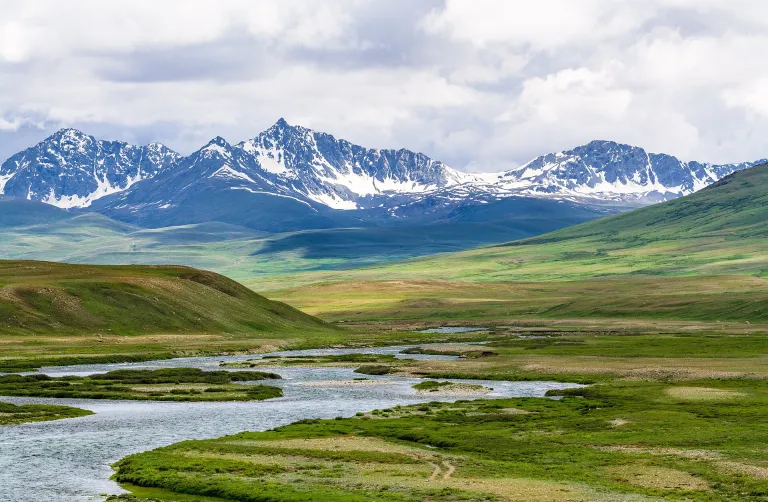 Deosai National ParkDeosai National Park guide: Himalayan brown bears, Sheosar Lake, Bara Pani, routes from Skardu and Astore
 Swat ValleyPlan a trip to Swat Valley: Kalam, Mahodand Lake, Malam Jabba
 Khunjerab PassKhunjerab Pass guide: the Karakoram Highway border crossing, Khunjerab National Park wildlife, season, altitude safety
 Best Time to Visit PakistanMonth-by-month guide to visiting Pakistan: weather by region, when Khunjerab, Babusar, Shandur and Deosai usually open
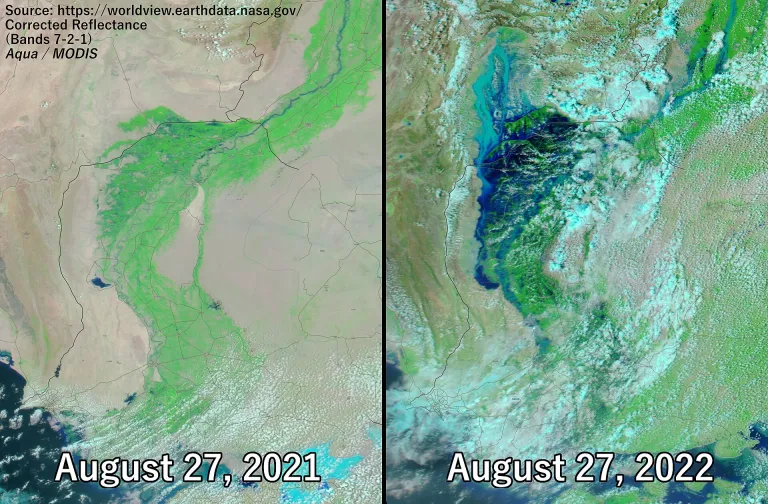 Climate of PakistanPakistan's climate explained: seasons, monsoon, regional weather, record heat at Turbat
How we know this
- Type Practical guide
- Sources 10 (2 official/academic)
- Reviewed October 2026
- Disputed points None
Rules and fees change, confirm with the official links below before you act.
10 sources
- Pakistan - Climate (Country Study), U.S. Library of Congress
- Climate of Pakistan (used to locate primary sources), Wikipedia
- Deosai National Park, Gilgit-Baltistan e-Tourism
- Babusar road reopens to traffic after seven months, Dawn
- Heavy Snowfall Forces Early Shutdown of Babusar Top, PakWheels
- Khunjerab Pass achieves milestone with year-round operation, Profit by Pakistan Today
- Vibrant Uchal festival concludes in Chitral's Kalash valley, Tribal News Network
- Shandoor polo festival rescheduled, to start on July 22, Associated Press of Pakistan
- Heavy snowfall, landslides disrupt life in Malakand, Hazara, Dawn
- Pakistan Meteorological Department, PMD
Photo credits (1)
- Attabad Lake In autumn.png, Mr.KhalidJawed, CC0, via Wikimedia Commons
