
Planning
Accessible Travel in Pakistan: What Is Documented
An honest look at accessibility for travellers with disabilities: the legal framework, what reporting says about buildings and transport, recent airport measures, and how to plan.
- Limited published accessibility data
- Law exists; enforcement is uneven
- Plan ahead and confirm everything
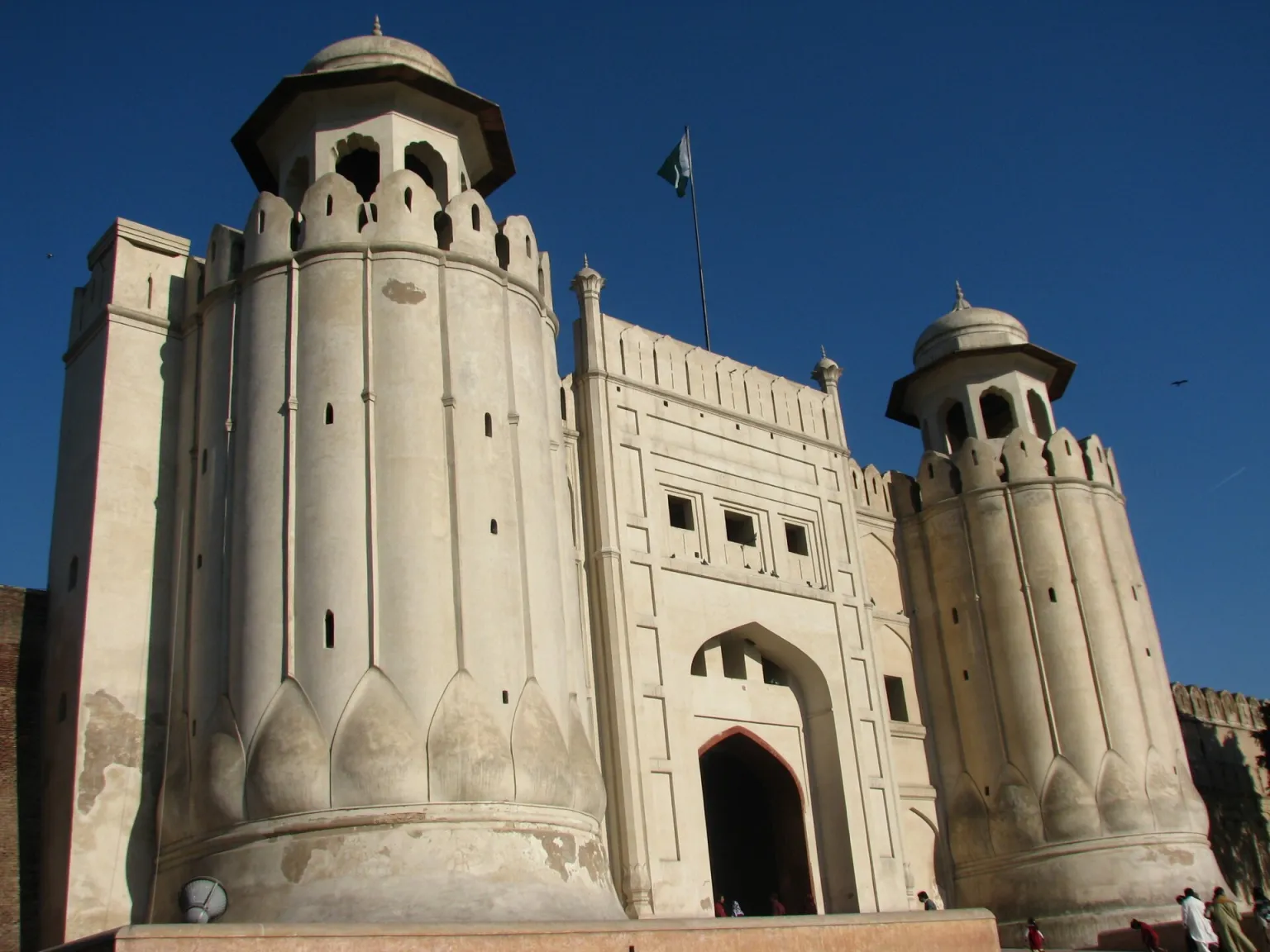
Alamgiri Gate, Lahore Fort
The honest picture
Pakistan is not an easy country for travellers who use wheelchairs or have other access needs, and published, reliable, destination-by-destination accessibility information is scarce. This page therefore sticks to what is documented in law and in reporting, and does not name hotels, tours or sites as accessible without a source. Where evidence is thin, it says so.
That caution matters because accessibility is changing slowly, unevenly and mostly in the largest cities. A site that has a ramp on paper may have an unusable one in practice; a transport service that has designated seats may have only two. Treat every claim, including those here, as a starting point for your own enquiries. If you plan the trip with a Pakistan-based operator or a local contact, ask specific questions and ask for photographs.

Law and standards
Pakistan ratified the UN Convention on the Rights of Persons with Disabilities in 2011. According to an analysis on the Oxford Human Rights Hub blog, the President signed the Islamabad Capital Territory Rights of Persons with Disabilities Act in September 2020, described there as the first federal law demanding inclusivity, and the Supreme Court in July 2020 required accessibility in various state-owned areas. The same analysis notes weak implementation of earlier laws and that provincial laws have gaps. Sindh also passed its own Empowerment of Persons with Disabilities Act in 2018.
On paper there are building rules. The Friday Times reported in December 2025 that an Accessibility Code was adopted in 2006, and in December 2022 that Capital Development Authority regulations require ramps and accessible toilets in commercial and public buildings. In practice the same writers report that ramps are frequently missing, badly sloped or blocked, that tactile paths and accessible washrooms are rare, and that public transport is hostile to wheelchair users. In other words, the standard exists more clearly than the experience.
Planning a trip
- 1
Choose a base in a major city
Lahore, Islamabad and Karachi have the most hotels, hospitals and car services. Build the trip around short transfers rather than long road days.
- 2
Ask precise questions
Before booking ask about step-free entrances, lifts, door widths, bathroom layout, shower type and the distance to the car park. Ask for photographs or a video. Do not assume that a ramp in a listing is usable.
- 3
Hire a vehicle and driver
A private car with a driver who understands your transfer needs avoids most public-transport problems. Confirm in advance how the chair will be stowed.
- 4
Arrange airport assistance
Request wheelchair or priority assistance in writing from your airline for each flight, and ask about the airport's arrangements at both ends.
- 5
Insure properly and carry supplies
Make sure insurance covers evacuation. Carry medicines, spare parts and repair items for equipment, and a note from your doctor.
- 6
Keep a buffer
Allow slack in the itinerary for delays, closures and the need to change plans.
Where to find more
Because published information is limited, the most useful resources are people: disabled travellers who have visited, Pakistan-based disability organisations and tour operators willing to survey sites for you. The Disability Debrief library of material on Pakistan collects news and research on law, access and daily life. For general planning, see travel tips, getting around Pakistan and healthcare in Pakistan.
Frequently Asked Questions
Is Pakistan wheelchair accessible?
Not reliably. Law and standards exist, but reporting finds frequent gaps in ramps, toilets and public transport. Some measures, such as Islamabad airport's sunflower scheme, are recent. Plan carefully and confirm everything in advance.
Can I get assistance at the airport?
Request it from your airline well ahead. Islamabad International Airport announced a service for passengers with invisible disabilities in April 2025, using sunflower ribbons for priority. Check arrangements at other airports with the airline.
Are heritage sites accessible?
We could not find a reliable published access survey for Pakistan's heritage sites. Expect steps, uneven surfaces and long distances, and ask the site or your operator before visiting.
Should I travel to the mountains with mobility needs?
It is possible only with careful planning. Roads are long and can be blocked, and emergency response in remote areas can take over an hour. Get medical advice and local operator guidance first.
Keep Exploring
Related places and stories on DailyLife.pk
 IslamabadIslamabad travel guide: Faisal Mosque, Pakistan Monument, Margalla Hills trails, Saidpur, markets, sectors, Metrobus
 LahoreLahore travel guide: Badshahi Mosque, Lahore Fort, Shalimar Gardens, the Walled City, food streets, neighbourhoods, metro
 KarachiKarachi travel guide: Mazar-e-Quaid, Mohatta Palace, Clifton, Burns Road, bazaars, neighbourhoods, Green Line BRT
 Travel Tips for PakistanPractical Pakistan travel tips: etiquette, modest dress, money and cards, registering a foreign phone with PTA
 Getting Around PakistanPractical guide to transport in Pakistan: Pakistan Railways e-tickets, metro bus and Orange Line fares, BRT
 Healthcare in PakistanHealthcare in Pakistan: public and private hospitals, Sehat Card status by province, emergencies, DRAP and medicines
How we know this
- Type Practical guide
- Sources 7 (1 official/academic)
- Reviewed October 2026
- Disputed points None
Rules and fees change, confirm with the official links below before you act.
7 sources
- Pakistan and disability law: The dawn of a more inclusive society?, Oxford Human Rights Hub Blog
- Invisible Citizens: What Pakistan Must Urgently Do For Persons With Disabilities, The Friday Times
- Disability ramps and the visible lack of inclusivity in the federal capital, The Friday Times
- Islamabad airport becomes Pakistan's first to introduce measures for passengers with mental disability, Arab News Pakistan
- Two wheelchair seats not enough, Senate seeks better bus access, Minute Mirror
- Disability in Pakistan, Disability Debrief
- Pakistan travel advice: Health, UK Foreign, Commonwealth & Development Office
Photo credits (1)
- Alamgiri Gate - Main entrance to Lahore Fort.jpg, S.hassanjawad, CC BY-SA 3.0, via Wikimedia Commons
