
Nature
Snow LeopardsMarkhor and River Dolphins
From mountain goats on Karakoram cliffs to a nearly blind dolphin in the muddy Indus, Pakistan's wildlife is as varied as its landscapes, and much of it depends on careful protection.
- National animal: markhor
- Endemic Indus river dolphin
- Snow leopard range: about 80,000 km²
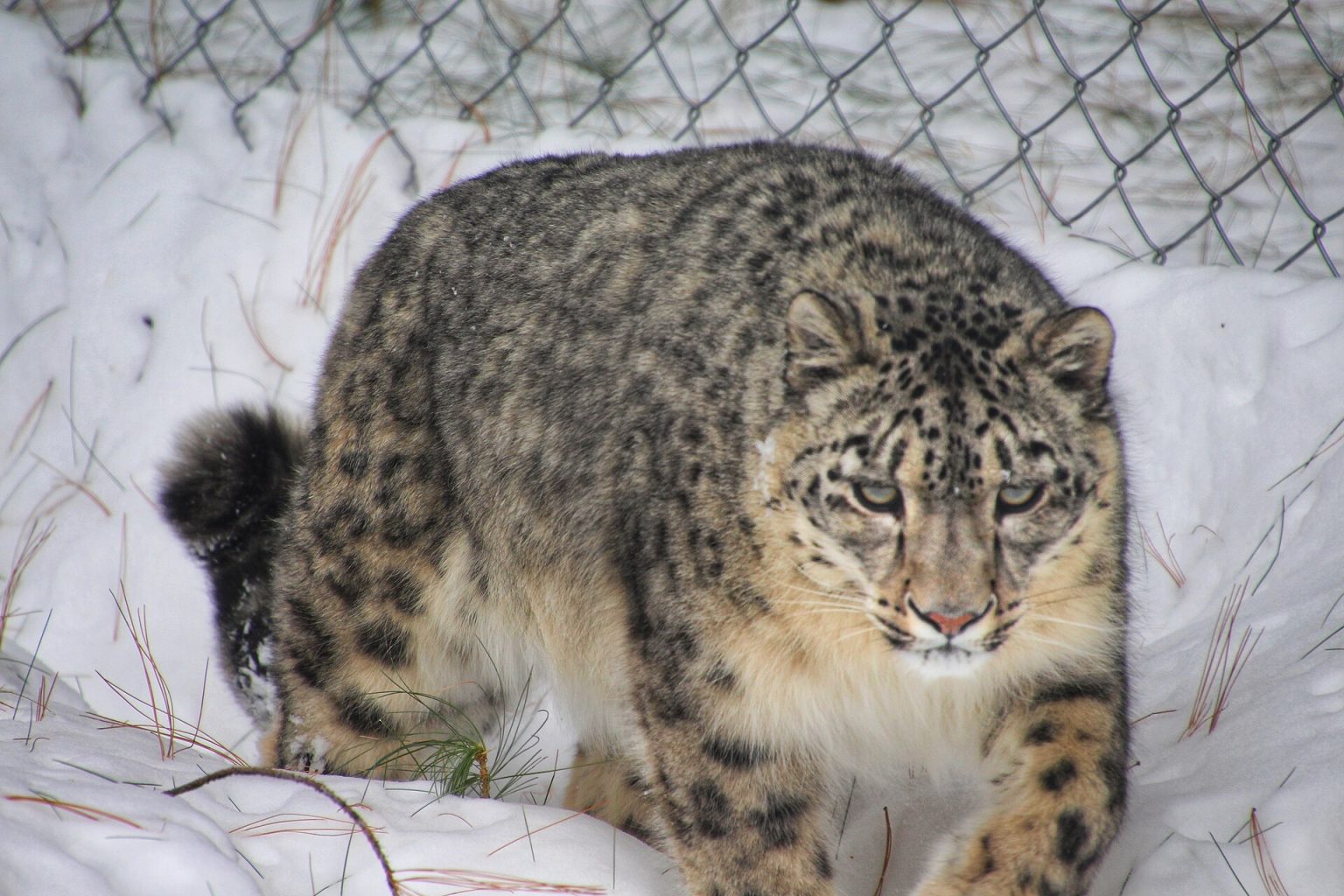
Snow leopard, Naltar, Gilgit-Baltistan
Where Asia's Wildlife Meets
Pakistan sits at a crossroads of the natural world. Its northern mountains share species with Central Asia and the Tibetan Plateau; its plains and deserts link to the Indian subcontinent; and Balochistan grades into the arid lands of Iran and Arabia. The result is an unusual mix: snow leopards and Marco Polo sheep in the Karakoram, markhor and Asiatic black bears in Himalayan forests, urial and Sindh ibex in the dry ranges, and marine turtles on the Makran coast.
Many of these animals were heavily hunted during the twentieth century. Over recent decades, however, Pakistan has become known for conservation models in which local communities share in the benefits of protecting wildlife. Markhor and ibex populations in some valleys have recovered as a result, and the Indus river dolphin, once feared to be heading for extinction, has increased in surveyed stretches of the river.
Wildlife watching here demands patience. Most large mammals are shy, live in rugged terrain and are best seen with local guides or rangers who know their movements.
Flagship Species
The animals most closely associated with Pakistan's wild places.
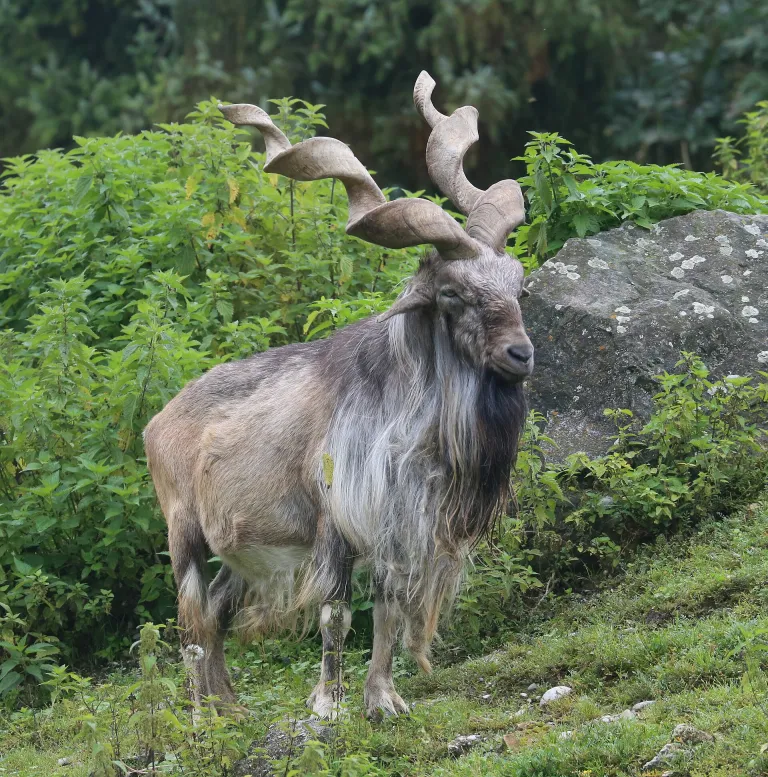 Markhor: national animalA wild goat whose males carry long corkscrew horns; Britannica notes horns of up to about 160 cm. Pakistan has flare-horned markhor in the north and straight-horned markhor in the Suleiman ranges.
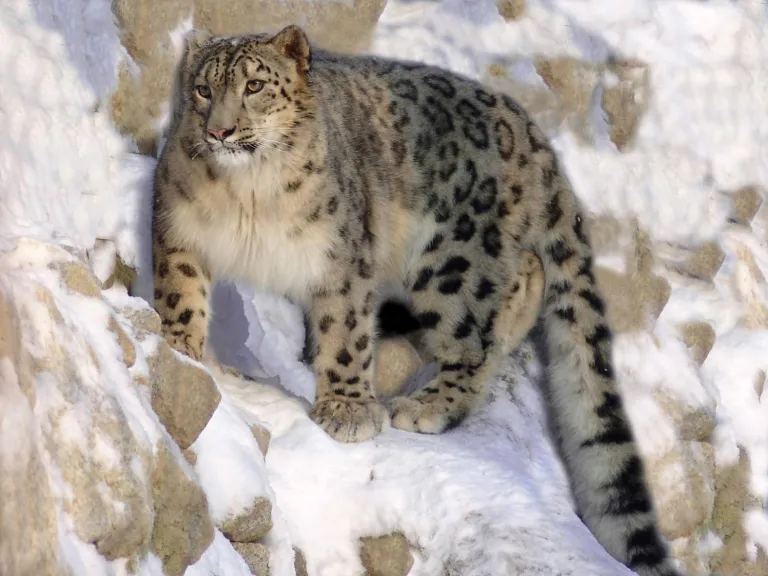 Snow leopardLives in the Karakoram, Hindu Kush and Himalaya of Gilgit-Baltistan, Khyber Pakhtunkhwa and Azad Jammu and Kashmir. Classified as Vulnerable since IUCN's 2017 reassessment.
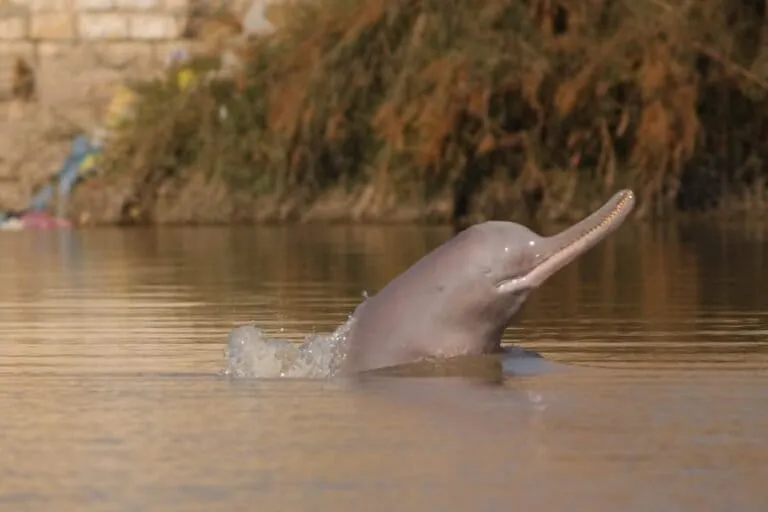 Indus river dolphinA freshwater dolphin found only in the Indus system, with tiny eyes and a long beak, navigating by echolocation in silty water. Listed as Endangered.
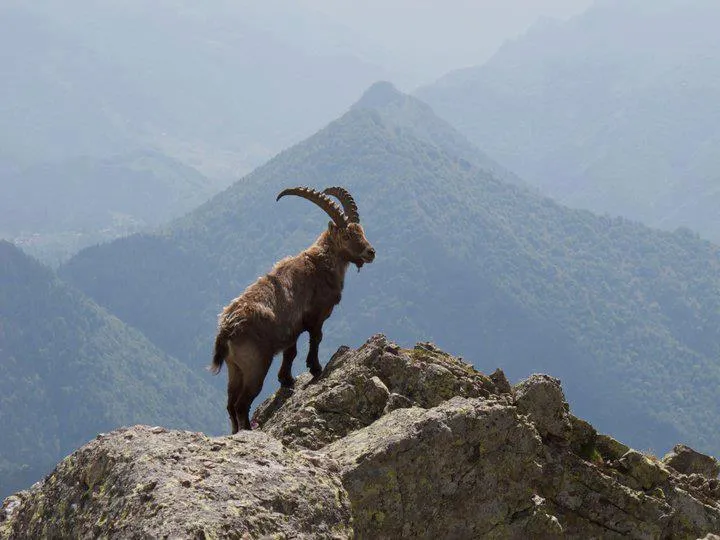
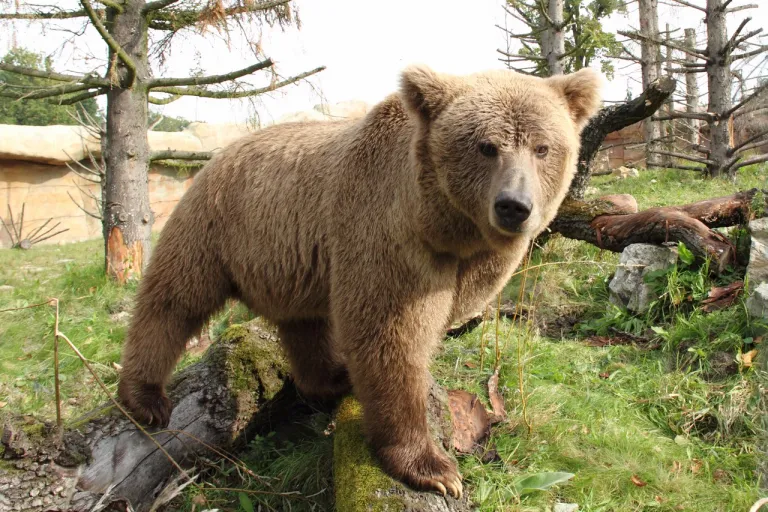 Himalayan brown bearA pale, sandy-coated bear of the high plateaus, protected above all in Deosai National Park, which was created for it in 1993.Himalayan ibexSure-footed wild goats with long, ridged, backward-curving horns, often seen in herds on slopes above the Karakoram Highway in upper Hunza.
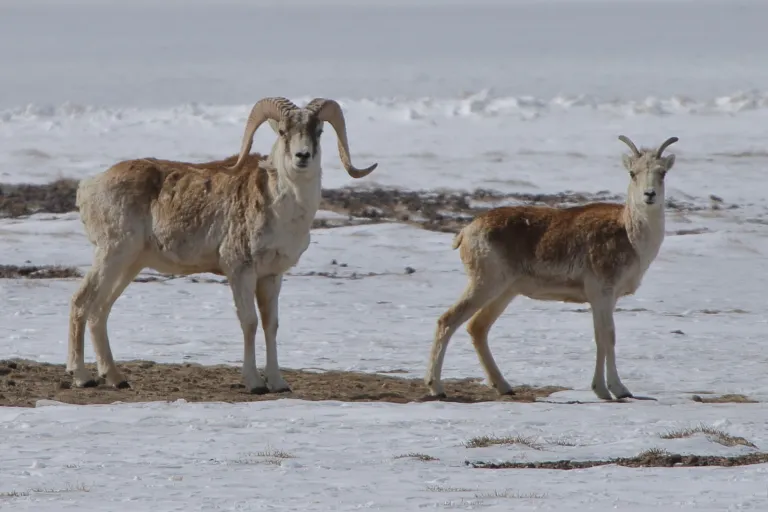 Marco Polo sheepA wild sheep with enormous spiralling horns. In Pakistan it occurs only in the Khunjerab area on the border with China, and protecting it was a main reason for creating Khunjerab National Park.
The Markhor: A Conservation Story
Pakistan's national animal is a powerfully built wild goat that lives on steep cliffs and forested slopes, roughly from 600 m to 3,600 m. Males stand about a metre at the shoulder, grow a long shaggy ruff in winter and carry dramatic twisting horns that give the species its Persian name. Pakistan is home to several forms, including the flare-horned markhor of Chitral, Gilgit-Baltistan and Kashmir, and straight-horned populations in Balochistan's Suleiman and Torghar hills.
Markhor were heavily poached in the twentieth century. Their recovery in places such as Torghar in Balochistan and community-managed areas of Gilgit-Baltistan and Khyber Pakhtunkhwa is credited largely to community conservation: local people protect the herds, and a small, regulated number of trophy-hunting licences generates income, much of which goes to the communities involved. The IUCN Red List moved the markhor from Endangered to Near Threatened in 2015. The model remains debated, but it is widely cited as an example of conservation that gives rural communities a direct stake in wildlife.
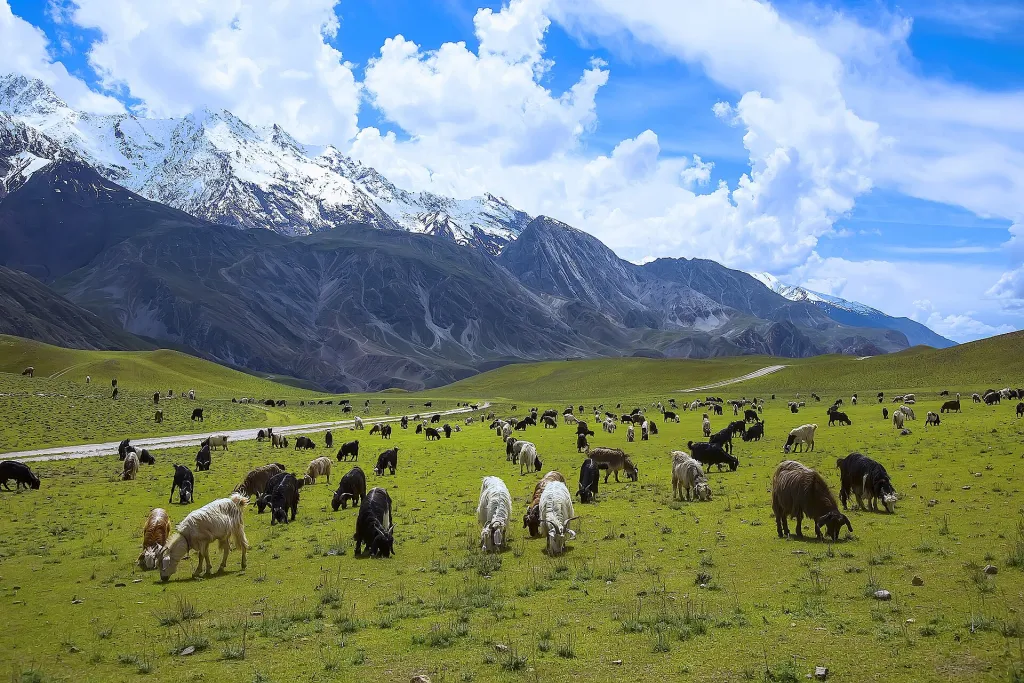
The Blind Dolphin of the Indus
Known locally as the bhulan, the Indus river dolphin has nearly functionless eyes and finds its prey by echolocation. Irrigation barrages have split its population into separate stretches; most animals live between the Guddu and Sukkur barrages in Sindh, where a 125,000-hectare Indus Dolphin Reserve is a Ramsar site. A 2017 survey by WWF-Pakistan, the Zoological Survey of Pakistan, provincial wildlife departments and academics sighted at least 1,816 dolphins, compared with about 1,200 estimated in 2001; Sindh Wildlife Department officials have since reported about 2,100. The species remains Endangered: dolphins drown in fishing nets, become stranded in irrigation canals and suffer when river flows drop.
Threats and Conservation
The main pressures on Pakistan's wildlife are familiar ones: loss and fragmentation of habitat, illegal hunting and trade, competition with livestock for grazing, and, for river species, reduced water flows and pollution. In the mountains, snow leopards are sometimes killed in retaliation after attacking livestock; conservation groups such as the Snow Leopard Foundation work with herding communities on livestock vaccination, better corrals and small enterprises that reward coexistence. Visitor pressure is a newer concern, on Deosai, litter left by tourists has been found in brown bear droppings.
Pakistan is party to CITES and the Convention on Biological Diversity, and wildlife is protected under provincial and territorial wildlife laws. The protected-area network has expanded, with a 2020 federal initiative adding or revitalising parks across the country. Researchers, NGOs such as WWF-Pakistan, and government departments now use camera traps, genetic sampling and community monitoring to track key species.
Watching Wildlife Responsibly
- Go with local guides or rangers; they know where animals move and how to avoid disturbing them.
- Keep a long distance, use binoculars or a telephoto lens, and never approach, chase or feed animals.
- Do not fly drones near wildlife, especially on cliffs where markhor and ibex rest with young.
- Never buy horns, skins, live birds or other wildlife products, even as souvenirs.
- Report injured or trapped animals, or suspected poaching, to the provincial wildlife department.
- Support community conservancies and guesthouses that link local income to protecting wildlife.
Where to See Wildlife
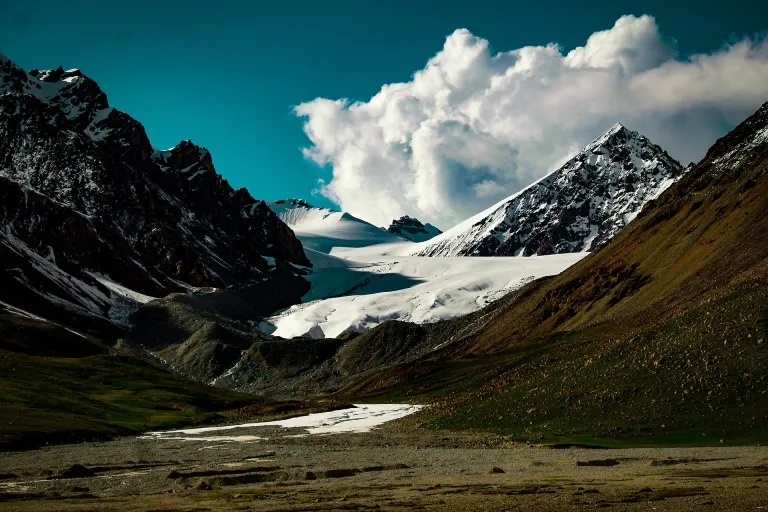
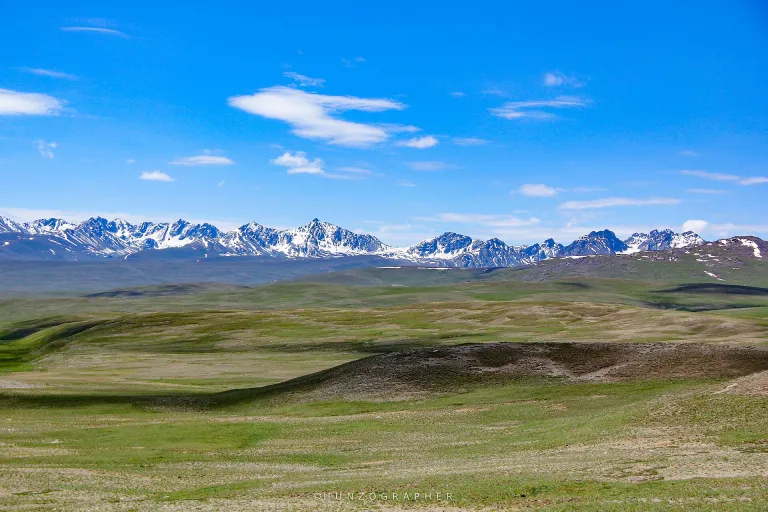
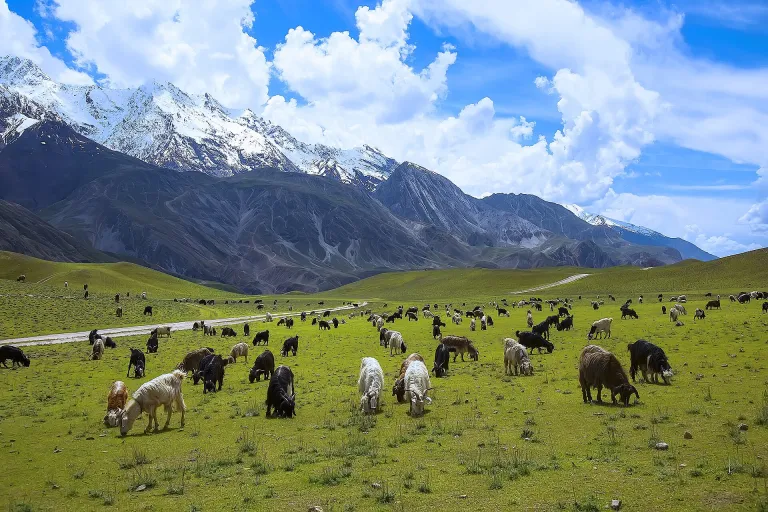
Frequently Asked Questions
What is the national animal of Pakistan?
The markhor (Capra falconeri), a wild goat with spiralling horns found in the mountains of northern and western Pakistan.
Are there snow leopards in Pakistan?
Yes. The Snow Leopard Trust cites an estimate of 200–420 snow leopards across about 80,000 km² of habitat in Gilgit-Baltistan, Khyber Pakhtunkhwa and Azad Jammu and Kashmir. They are rarely seen.
Where can I see the Indus river dolphin?
The largest population lives between the Guddu and Sukkur barrages in Sindh, within the Indus Dolphin Reserve. Sightings are possible from boats with local guides or wildlife staff; keep your distance and avoid disturbing the animals.
Is trophy hunting legal in Pakistan?
A limited, regulated trophy-hunting programme for species such as markhor and ibex operates under government quotas, with a share of the income going to local communities. Rules and quotas are set by the authorities and change over time.
Are bears dangerous to visitors in Deosai?
Attacks are rare, but brown bears are large, wild animals. Keep food sealed, never leave rubbish, camp only in designated areas and follow ranger advice.
Keep Exploring
Related places and stories on DailyLife.pk
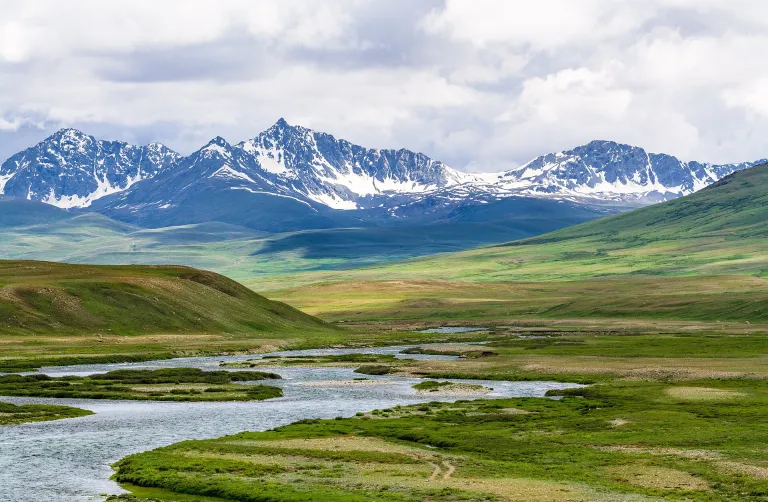 Deosai National ParkDeosai National Park guide: Himalayan brown bears, Sheosar Lake, Bara Pani, routes from Skardu and Astore
 Khunjerab PassKhunjerab Pass guide: the Karakoram Highway border crossing, Khunjerab National Park wildlife, season, altitude safety
 ChitralPlan a Chitral trip: Chitral Fort, Shahi Mosque, Tirich Mir views, Chitral Gol, Garam Chashma
 Hingol National ParkPlan a trip to Hingol National Park, Balochistan: Princess of Hope, the Sphinx rock
 National Parks of PakistanGuide to Pakistan's national parks: Central Karakoram, Deosai, Khunjerab, Hingol, Margalla Hills, Lal Suhanra and more
 Birds of PakistanBirds of Pakistan: the chukar (national bird), pheasants, raptors, houbara, cranes and waterbirds, top birding wetlands
How we know this
- Type Explainer
- Sources 13 (5 official/academic)
- Reviewed October 2026
- Disputed points None
13 sources
- Snow leopards in Pakistan, Snow Leopard Trust
- Statement on IUCN Red List status change of the snow leopard, Snow Leopard Trust
- Markhor, Encyclopaedia Britannica
- Conservation, Management and Threats to Markhor population in Pakistan: An Overview, MARKHOR: The Journal of Zoology
- Flora and fauna: Symbols of our national pride, Dawn
- Indus River Dolphin numbers on the rise, WWF study reveals, Geo News
- Can Pakistan's Indus River dolphins be saved?, Al Jazeera
- Ramsar Sites annotated summary – Pakistan, Ramsar Sites Information Service
- Rare brown bears face new threat in Deosai, The Express Tribune
- Khunjerab National Park, Forest, Wildlife & Environment Department, Gilgit-Baltistan
- Central Karakoram National Park, Forest, Wildlife & Environment Department, Gilgit-Baltistan
- Deosai National Park, Forest, Wildlife & Environment Department, Gilgit-Baltistan
- Indus river dolphin (used to locate IUCN 2022 assessment), Wikipedia
Photo credits (10)
- Irbis4.JPG, Irbis1983, Public domain, via Wikimedia Commons
- Markhor Schraubenziege Capra falconeri Zoo Augsburg-02.jpg, Rufus46, CC BY-SA 3.0, via Wikimedia Commons
- Indus river Dolphin , The National Aquatic Animal of Pakistan.jpg, Shiana1, CC0, via Wikimedia Commons
- Medvěd plavý (Ursus arctos isabellinus).jpg, Zoo Hluboka, CC BY-SA 4.0, via Wikimedia Commons
- Capra sibirica in Gilgit-Baltistan, Pakistan.jpg, Ali irfan, CC BY-SA 4.0, via Wikimedia Commons
- Marco Polo sheep pair by Fábio Olmos (cropped).jpg, Fábio Olmos, CC BY 4.0, via Wikimedia Commons
- Meadows of Chitral Gol National Park; Tahsin Shah 03.jpg, Tahsin A Shah, CC BY-SA 4.0, via Wikimedia Commons
- Khunjerab national park.jpg, Gecksproduction, CC BY-SA 4.0, via Wikimedia Commons
- Deosai pic hd.jpg, Hunzagrapher, CC BY-SA 4.0, via Wikimedia Commons
- Snow Leopard In Naltar Gilgit.jpg, Nazir Baig, CC BY-SA 4.0, via Wikimedia Commons
