
Travel destination
Lal Shahbaz Qalandar: The Shrine at Sehwan Sharif
One of Pakistan's great Sufi shrines: a gilded dome in Sehwan Sharif, daily dhamaal drumming and an annual urs that draws pilgrims from across the country.
- Sehwan, Jamshoro District
- Urs on 18 Sha'ban
- Complex completed 1356
Shrine of Lal Shahbaz Qalandar, Sehwan Sharif
About the Shrine
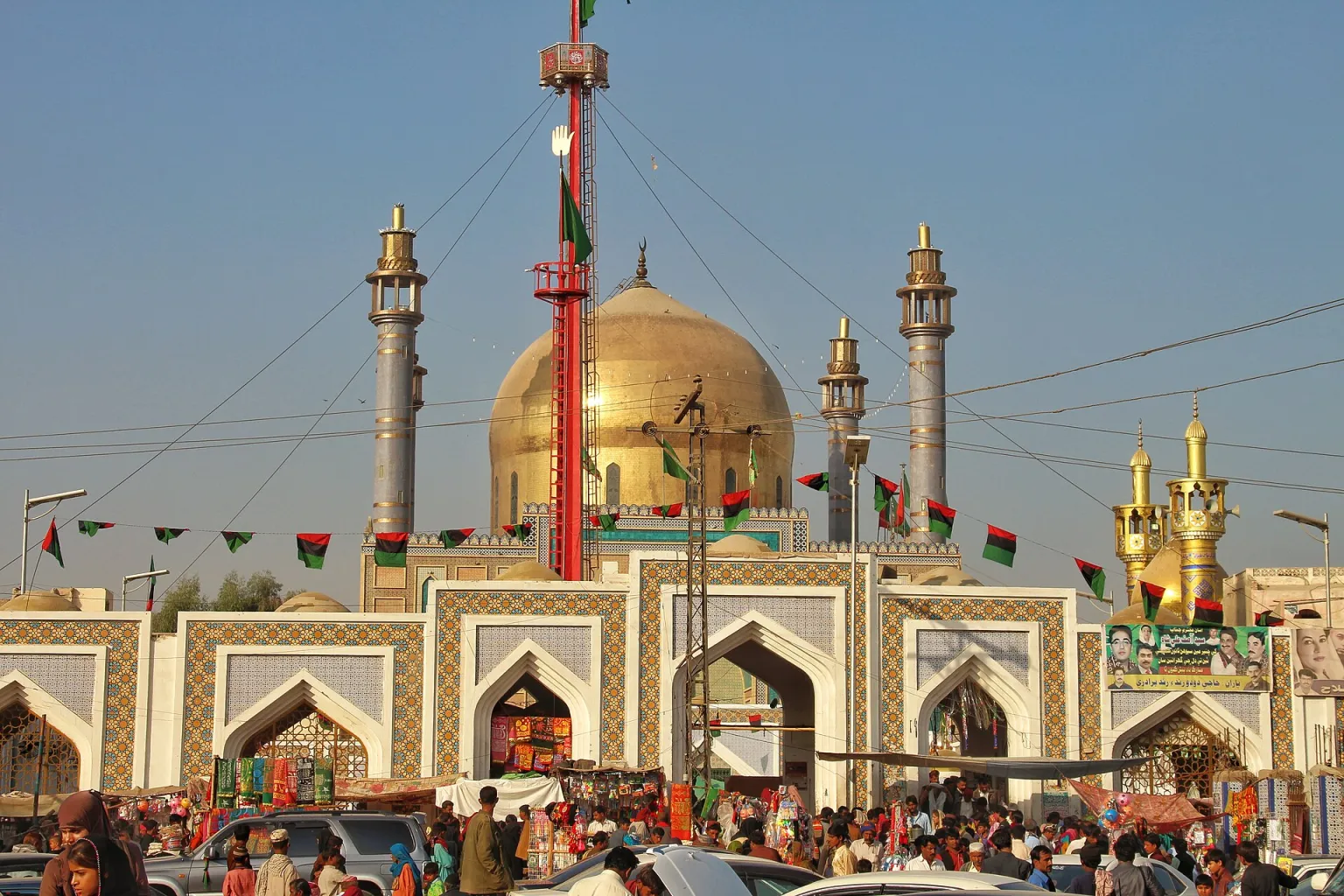
The shrine of Lal Shahbaz Qalandar stands in the middle of Sehwan Sharif, an old town on the west bank of the Indus in Jamshoro District. Lal Shahbaz Qalandar, a wandering Sufi of the 13th century, is revered across Sindh, and his shrine is one of the most visited in Pakistan. The tomb complex was completed in 1356 and has been enlarged several times; Wikipedia records major expansion in 1639 under Mirza Jani of the Tarkhan dynasty. The complex is both a mosque and a Sufi mausoleum, with a gilded dome, four minarets and walls clad in white marble, glazed tiles and mirror work. Its gold-plated main door is a gift from the last Shah of Iran in the 1970s.
The shrine's reputation rests on its inclusiveness. Dawn describes the Qalandar tradition as one of wandering, defiance of formal religion and openness to all; Sunnis, Shias and Hindus visit, and Hindu devotees perform the mehndi ritual at the start of the urs. Lal ('red') and Shahbaz ('royal falcon') are the saint's best-known epithets, and the song 'Dama Dam Mast Qalandar', performed by countless artists, is in his honour.
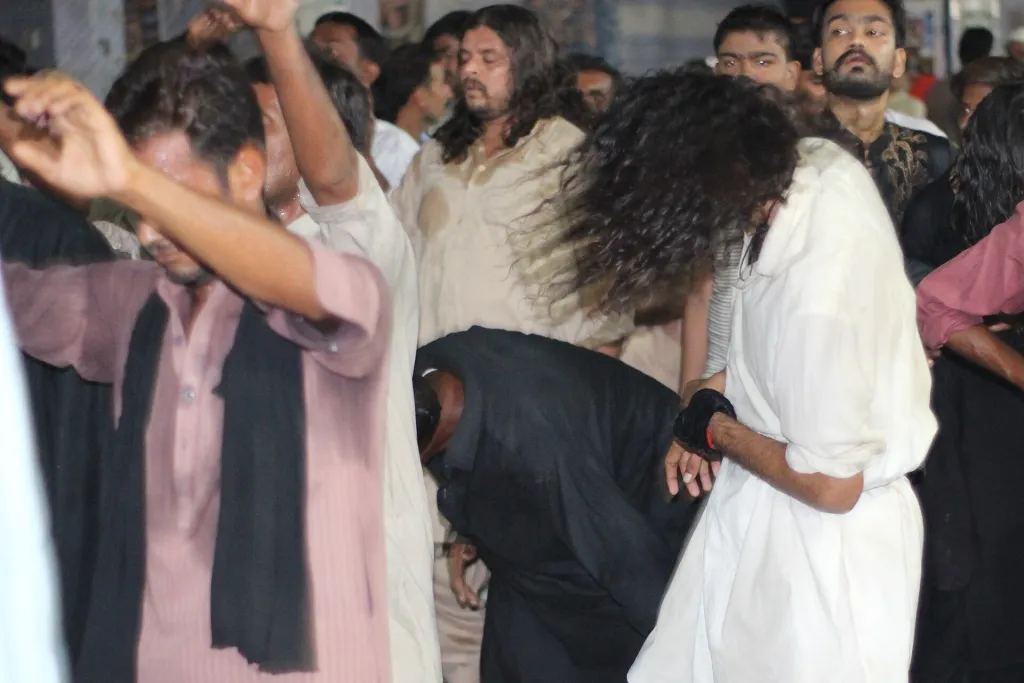
Every evening, drummers lead devotees in dhamaal, a trance-like dance in the courtyard. Men and women take part in separate areas, and many dance in ecstasy for hours. The annual urs, held on 18 Sha'ban in the Islamic calendar, brings very large crowds and a fair-like atmosphere. In February 2017 the shrine was the target of a deadly bombing during dhamaal; the ritual resumed the following evening, which devotees remember as an act of defiance. Today visitors should expect security checks and should follow the instructions of shrine staff and police.
Sehwan is a shrine that wants to be experienced, not merely seen: the drum, the heat, the colour and the crowd.
What to Experience
 The shrine and gilded domeA white-marble, tiled and mirror-worked complex under a gold-coloured dome, with a gilded door. Remove shoes and cover your head at the entrance.
 Dhamaal at duskDrummers and dancers fill the courtyard each evening. Watch from the edges, do not photograph people without asking, and never push into the crowd.
 The urs of 18 Sha'banThe annual festival draws pilgrims in huge numbers, with processions, fairs and all-night music. Accommodation and travel become very difficult, and security is tight.Kafir QilaThe archaeological mound on the edge of Sehwan hints at the town's ancient origins.
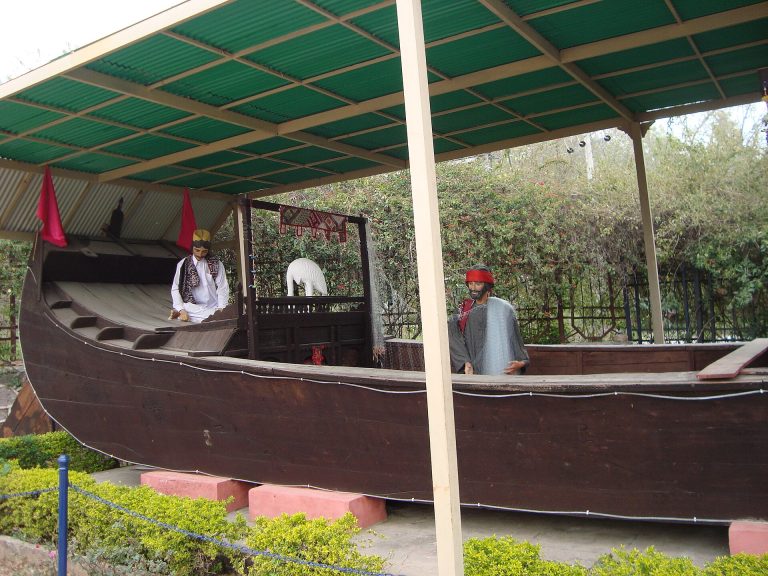 Manchar LakeAbout 18 km from the shrine; boat communities, reeds and birds.
Plan Your Visit
Best Time to Visit
Cooler months, evenings for dhamaal
Winter is the most comfortable season. Dhamaal takes place in the evening; the exact timing can vary. The urs is on 18 Sha'ban, which moves about 11 days earlier each year.
How to Reach
By road from Hyderabad or Jamshoro
Sehwan lies on the Indus Highway about 130 km north-west of Hyderabad. Most visitors drive from Hyderabad or Karachi; hire a car with a driver who knows the town.
Where to Stay
Hyderabad, Jamshoro or Dadu
Accommodation in Sehwan is basic and fills quickly during the urs. Many visitors return to Hyderabad or Jamshoro in the evening.
Etiquette
A place of worship
Dress modestly (long sleeves and trousers or shalwar kameez; women cover their heads), remove shoes, keep voices low and follow the shrine staff's instructions. Do not photograph devotees without asking. Men and women dance in separate areas.
Offerings
Voluntary
Offerings and food are voluntary; give only what you want to give, and be wary of unofficial 'guides' asking for money.
Security and Advisories
Expect checks
The shrine has security screening following the 2017 attack. Check current advisories and local authority guidance, avoid the peak days of the urs unless you have local support, and tell someone your plans.
Itinerary Ideas
- 1
One day from Hyderabad or Jamshoro
Leave early, visit Manchar Lake in the morning, reach the shrine in the late afternoon and stay for dhamaal, returning by road in the evening if local advice allows.
- 2
Two days
Day one: Ranikot Fort and drive to Sehwan. Day two: the shrine in the morning, Manchar Lake in the afternoon.
- 3
With Bhit Shah
Pair Sehwan with the shrine of Shah Abdul Latif at Bhit Shah for a two-day circuit of Sindh's Sufi heritage.
Visit Responsibly
- Treat the shrine as a living place of worship, not a performance.
- Ask before photographing people, and never photograph women dancing without their explicit consent.
- Do not sit or lean on tombs, and observe separate areas where marked.
- Give to shrine charities and langar only through official channels.
- Take litter away and respect local residents, who live with large crowds.
Frequently Asked Questions
Who was Lal Shahbaz Qalandar?
A 13th-century Sufi saint whose shrine in Sehwan is among Pakistan's most visited. 'Lal' means red and 'Shahbaz' means falcon.
When is the urs?
On 18 Sha'ban in the Islamic calendar; the Gregorian date moves earlier each year.
What is dhamaal?
A trance-like dance to drums performed in the shrine courtyard every evening. Men and women take part in separate areas.
Is the shrine safe to visit?
The shrine was attacked in February 2017 and now has security screening. Check current advisories and local authority guidance before travelling.
Can women visit?
Yes. Women take part in the shrine's life, including dhamaal, in separate areas; dress modestly and cover your head.
Keep Exploring
Related places and stories on DailyLife.pk
Manchar LakeManchar Lake near Sehwan: Pakistan's largest freshwater lake, Mohana boat communities, seasonal size, pollution, birds Ranikot FortPlan a Ranikot Fort trip: the 'Great Wall of Sindh', Miri and Shergarh, its gates
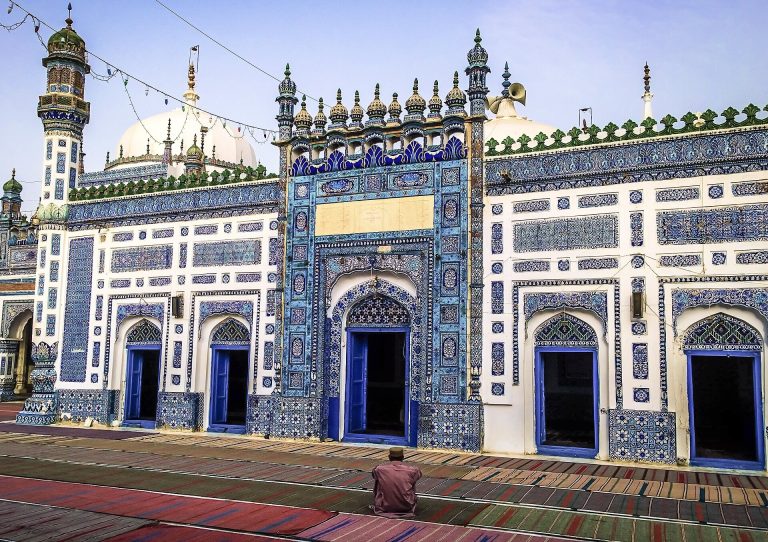 Bhit ShahVisit Bhit Shah, Matiari: the shrine of Shah Abdul Latif Bhittai, poet of Shah Jo Risalo
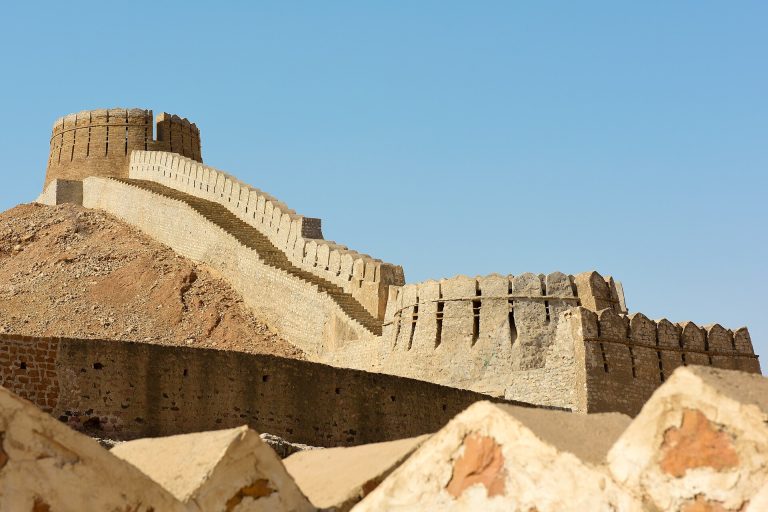 Kirthar National ParkKirthar National Park, Sindh: wildlife (ibex, urial, chinkara, leopard), Karchaat base, permissions, best seasonSehwanSehwan Sharif guide: the shrine of Lal Shahbaz Qalandar, dhamaal and the urs, Kafir Qila
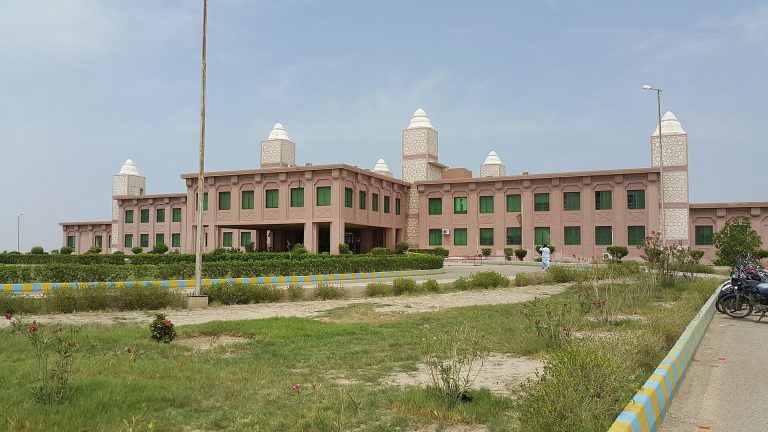 JamshoroJamshoro city guide: University of Sindh, Mehran UET, the Bholari urban area, Ranikot Fort
How we know this
- Type Travel guide
- Sources 2
- Reviewed October 2026
- Disputed points None
Rules and fees change, confirm with the official links below before you act.
2 sources
- Shrine of Lal Shahbaz Qalandar, Wikipedia (used to locate primary sources)
- Damadam mast Qalandar is a cry of rebellion against established orders, Dawn
Photo credits (6)
- Shrine Lal Shahbaz Qalandar, Sehwan Shareef, Sindh, Pakistan.jpg, Fassifarooq, CC BY-SA 4.0, via Wikimedia Commons
- Spiritual Dance at the Tomb of Lal Shahbaz Qalandar called "Dhamal".jpg, Naeemcanon, CC BY-SA 4.0, via Wikimedia Commons
- Boat of Manchar Lake Sindh.JPG, Laila Khaan, CC BY-SA 3.0, via Wikimedia Commons
- The Badshahi in all its glory during the Eid Prayers.JPG, Bilalhassan88, CC BY-SA 3.0, via Wikimedia Commons
- Ranikot Fort - The Great Wall of Sindh.jpg, Adrian Leslie Lobo, CC BY-SA 3.0, via Wikimedia Commons
- Dargah Hazrat Shah Abdul Latif Bhittai ra.jpg, SHAHBAZ SAF, CC BY-SA 4.0, via Wikimedia Commons
