
Travel destination
Bulleh Shah: The Poet-Saint of Kasur
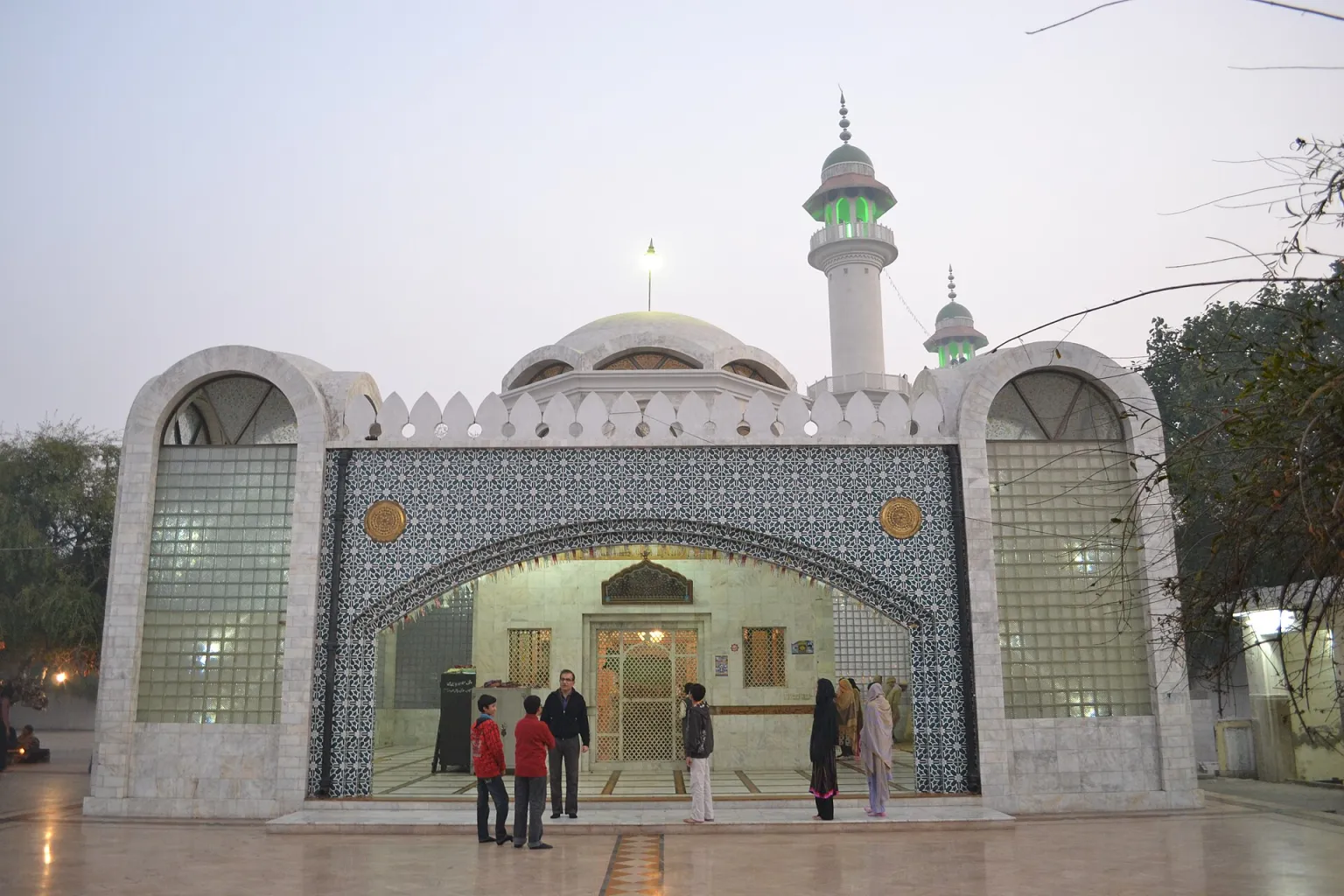
The shrine of the great Punjabi Sufi poet stands in the heart of Kasur, a place where his kafis are still sung and the annual Urs draws large crowds.
- Kasur, Punjab
- Punjabi Sufi poet (died 1757)
- Urs: late August
Shrine of Bulleh Shah, Kasur
About the Shrine
Bulleh Shah, born Abdullah Shah around 1680 into a Sayyid family and traditionally associated with Uch, is the most beloved voice of Punjabi Sufi poetry. His family moved to the Kasur area; he studied in Kasur and later in Lahore under the Qadiri master Shah Inayat, and spent the rest of his life largely in Kasur, where he died on 30 August 1757. A few scholars, including Christopher Shackle, give 1758. Dates and even his birth name remain debated, so treat details with caution.
He wrote mainly in Punjabi, chiefly in the kafi, a short devotional form that is sung by qawwals and folk singers. Wikipedia credits him with about 150 kafis and 94 other compositions; his verse is known for divine love, the oneness of God and criticism of religious and social exploitation. The first printed edition of his kafis, Qanun-i-Ishq, appeared in 1889. His poetry is still sung widely, in shrines and on concert stages in Pakistan, India and the diaspora.
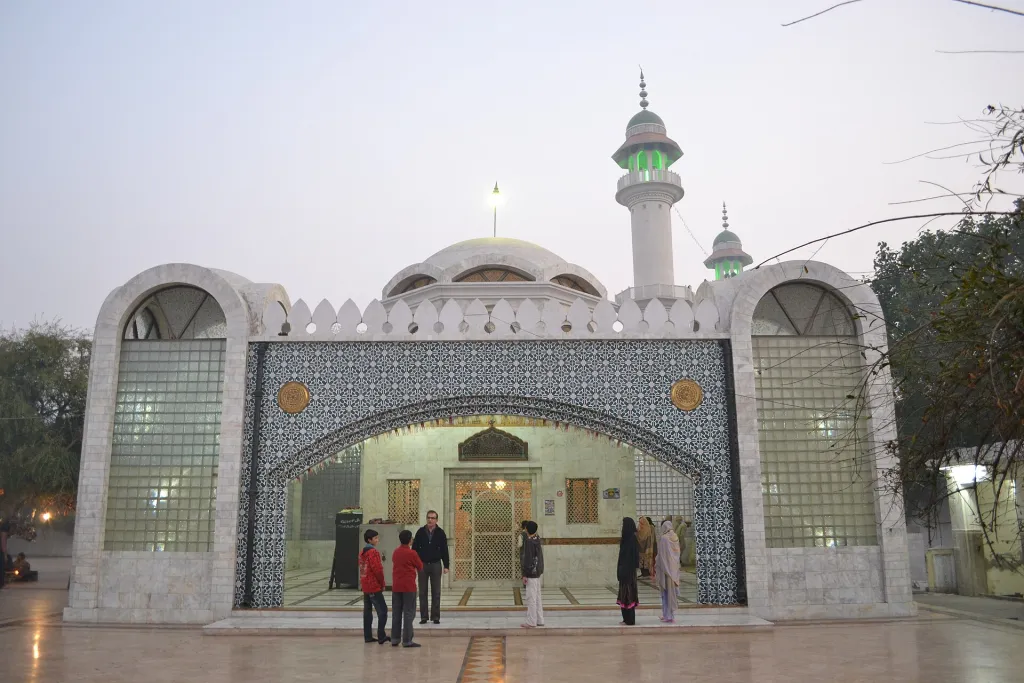
The shrine, a dargah built over his grave in the decades after his death, stands in the centre of Kasur. It is a protected monument of the Punjab government. According to the Kasur district website, the three-day Urs begins on 10 Bhadon, in the last week of August. In 2024, Wikipedia reports that overcrowding during the Urs led local authorities to cancel events and restrict entry, so check for crowd-control measures if you plan to attend.
What to See and Do
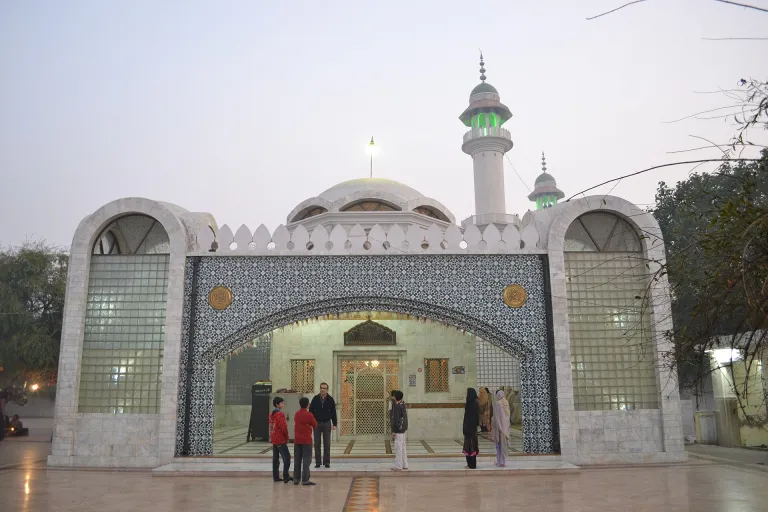 The dargahA calm, domed shrine in the centre of Kasur; visitors offer fatiha, flowers and prayers.Kasur's bazaarsKasur is a historic trading town; wander the bazaars near the shrine.
Plan Your Visit
Best Time to Visit
Winter or Urs
Cooler months suit sightseeing. During the Urs the shrine is extremely crowded; check security arrangements.
How to Reach
From Lahore
Kasur lies south-east of Lahore. Allow time for traffic and check route options with your driver.
Hours
Confirm locally
Opening hours and any restrictions are set locally; confirm on arrival.
Dress and Behaviour
Modest
Cover your head, remove shoes and dress modestly.
Offerings
Voluntary
Donations are voluntary; be wary of anyone who pressures you.
Crowds and Security
Be prepared
Expect bag checks and crowd control, especially at the Urs; follow instructions.
Suggested Half-Day Plan
- 1
Travel from Lahore
Leave in the morning and travel to Kasur.
- 2
Visit the shrine
Remove shoes, cover your head, offer prayers or simply sit and listen.
- 3
Local lunch
Eat in Kasur's bazaar area.
- 4
Afternoon excursion
Visit Changa Manga or return to Lahore via the Walled City.
Visit Responsibly
- Respect worshippers; avoid photographing people at prayer.
- Do not step on or touch the grave unless others do so.
- Dress modestly and remove shoes.
- Avoid giving money to pushy touts.
- Be patient with crowds and follow security staff.
Frequently Asked Questions
Who was Bulleh Shah?
A Punjabi Sufi poet of the Qadiri order, born around 1680 and died in 1757 (some say 1758) in Kasur.
When is the Urs of Bulleh Shah?
The Kasur district website says the three-day Urs begins on 10 Bhadon, in the last week of August.
Where is the shrine?
In the centre of Kasur city, Punjab.
What did Bulleh Shah write?
Mainly kafis in Punjabi on divine love, tolerance and the oneness of God.
Is the shrine always open?
Hours and crowd rules vary; confirm locally.
Keep Exploring
Related places and stories on DailyLife.pk
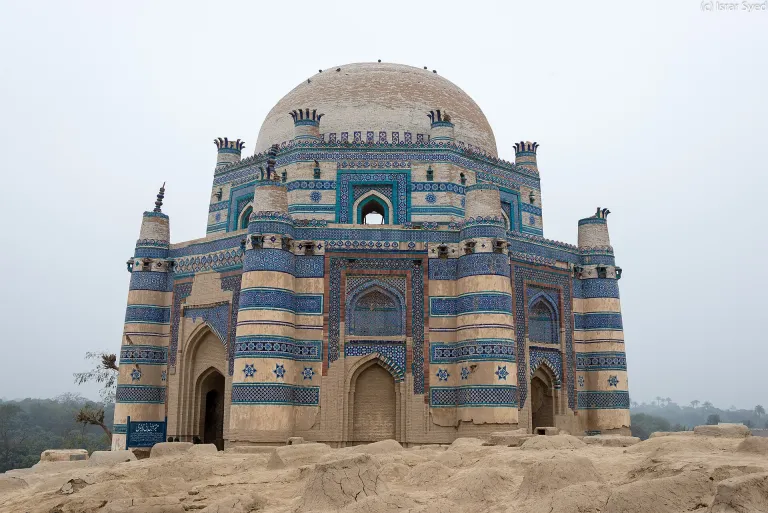 Uch SharifVisit Uch Sharif in Bahawalpur District: Bibi Jawindi's tomb, the Bukhari shrines, Sufi historyKasurKasur city guide: Bulleh Shah's shrine, Ganda Singh Wala border ceremony, Changa Manga forest, Kasuri falooda
 LahoreLahore travel guide: Badshahi Mosque, Lahore Fort, Shalimar Gardens, the Walled City, food streets, neighbourhoods, metro
 Sufi Shrines of PakistanVisit Pakistan's great Sufi shrines: Data Darbar, Shah Rukn-e-Alam, Lal Shahbaz Qalandar, Bhit Shah
 Poetry and Literature of PakistanPakistan's poetry and literature: Bhittai, Bulleh Shah, Rahman Baba, Khushal Khan Khattak, Ghalib's legacy, Iqbal, Faiz
 Religious Heritage of PakistanPakistan's religious heritage: great mosques and Sufi shrines, Sikh gurdwaras, Hindu temples, Buddhist sites
How we know this
- Type Travel guide
- Sources 2 (1 official/academic)
- Reviewed October 2026
- Disputed points None
Rules and fees change, confirm with the official links below before you act.
2 sources
- Bulleh Shah, Wikipedia
- Important Places in Kasur, District Government of Kasur
Photo credits (5)
- Bulleh Shah's Shrine.JPG, Khalid Mahmood, CC BY-SA 3.0, via Wikimedia Commons
- Night View of Badshahi Mosque (King’s Mosque).jpg, Muhammad Ashar, CC BY-SA 3.0, via Wikimedia Commons
- Tomb of Bibi Jawindi Uch Sharif.jpg, Israr Syed, CC BY-SA 4.0, via Wikimedia Commons
- Shah Rukn-e-Alam Tomb.jpg, Junaidali88z, CC BY-SA 3.0, via Wikimedia Commons
- Mausoleum of Shah Abdul Latif Bhittai 05.jpg, Umasha79, CC BY-SA 3.0, via Wikimedia Commons
