
Food culture & heritage
Landhi: A Traditional Dried-Meat Guide with Modern Safety Limits
Understand the winter meat tradition, buy from a traceable producer, and distinguish cultural description from a validated preservation process.
What the name describes
Landhi is commonly discussed as a winter dried or cured meat tradition associated with communities in Balochistan and the wider region. Names and spellings vary. Pakistan's national register of intangible cultural heritage documents a related dried-meat tradition in Balochistan and connects it with winter food provision in remote areas. That documentation helps establish cultural context; it is not a modern safety certificate for every product bearing a similar name.
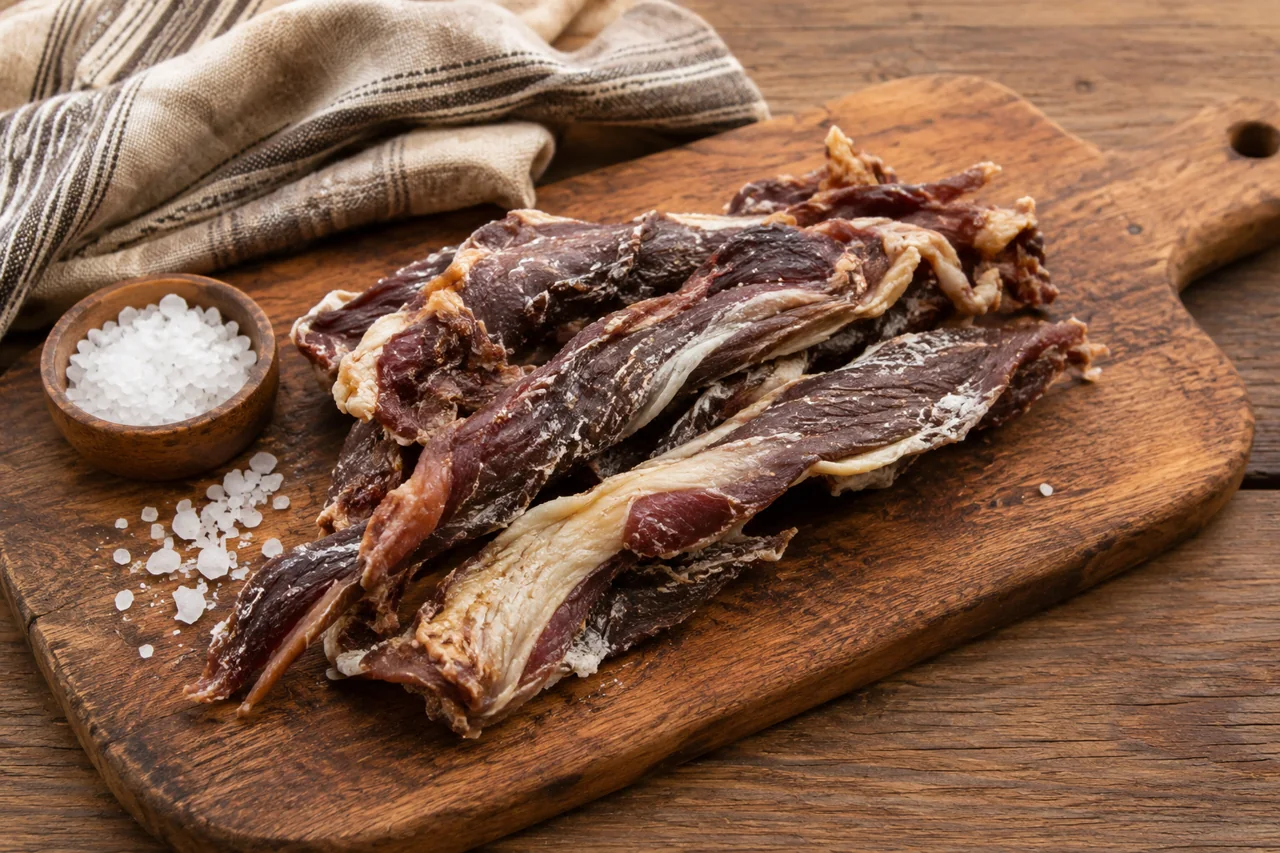
Ask a seller what their product actually is: the animal, cut, whether it is raw or fully cooked, whether it is ready to eat, and how it has been preserved. Different local methods should not be collapsed into one universal recipe. A photograph of a cooked dish cannot verify the producer's drying method, and this guide does not supply a home air-drying schedule.
Reference: USDA controlled jerky safety guidance.
Cultural source: Pakistan national intangible cultural heritage register.
Why households value the tradition
Preserved meat can carry the flavour and memory of winter meals, family hospitality and regional food practices. Drying changes moisture and texture, and curing can produce a pronounced savoury taste. These culinary characteristics explain interest in the dish without needing a claim that it is a medicine or a uniquely strengthening food.
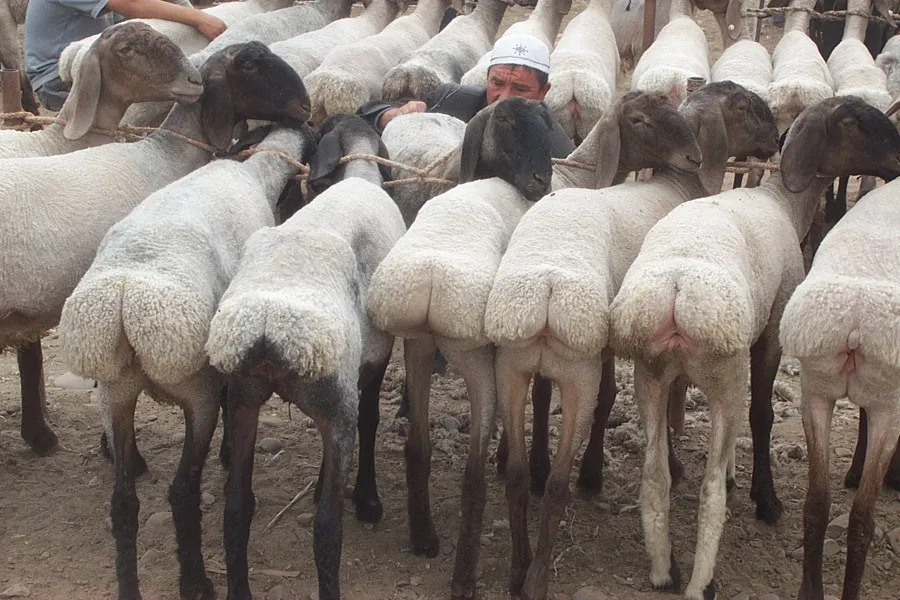
The animal and cut influence richness and texture. Ask about bones, exterior fat and the edible yield, especially when buying a piece whose purchase weight includes substantial fat or bone. Choose a modest quantity for a first purchase rather than assuming everyone at the table will enjoy the concentrated flavour. Serve it with other foods that balance the meal rather than making a large portion the only main dish.
Reference: USDA controlled jerky safety guidance.
Choose traceability over appearance
Buy from a producer or regulated supplier who can explain the ingredient, processing controls, batch or preparation date and storage instructions. Look for intact clean packaging and clear directions. Ask whether the product needs refrigeration before opening and after opening and whether it must be cooked. Obtain allergen and ingredient information where seasonings or other ingredients are used.
Dryness to the touch, a dark colour, a familiar shop or a salty taste cannot demonstrate safe preservation. Reject obvious mould, leaking or damaged packaging and objectionable changes, but do not use normal smell as proof of safety. If the seller cannot explain the storage and cooking requirements, choose another product rather than inventing a safe handling period at home.
Reference: FDA safe food handling.

Storage reference: official cold food storage chart.
Cultural drying accounts are not a safe recipe
Traditional accounts describe climate, salting and drying, but a modern safe process must control hazards across the actual meat thickness, fat level, temperature, humidity, airflow and handling. Weather is variable, and the centre of a thick piece can behave differently from the surface. Drying does not automatically destroy organisms that were present before the meat was hung.
USDA guidance on jerky emphasises controlled heating and drying rather than simply trusting a dry exterior. That guidance is not a validation of every Landhi method, thick fatty piece or outdoor setup. Do not transfer a jerky schedule to this product without expert validation. Do not improvise with curing salts or unmeasured preservatives; use a validated processor's method or buy a regulated product with clear instructions.
Reference: official minimum cooking temperatures.
Store according to the actual product
No universal room-temperature shelf life is given here for homemade Landhi. Shelf stability is a property that must be demonstrated for the specific formulation, process and packaging. Salt or a traditional name does not establish it. Follow the producer's verified storage instructions and any stricter use-by requirement; do not assign months of storage based on a travel story.
Keep a product requiring chilling at 4°C or below in a closed container, separated from ready-to-eat food if it remains raw. Plan transport in an insulated bag. For any product lacking a verified preservation claim, obtain professional guidance on whether it is suitable to use at all rather than assuming refrigeration can undo an unknown history. Freezing also does not reverse unsafe storage or sterilise meat.
Reference: FDA safe food handling.
Storage reference: official cold food storage chart.
Prepare only with clear instructions
Confirm whether the purchased product needs soaking, trimming or cooking and use the producer's validated directions or a tested recipe matched to that product. If a recipe calls for soaking, keep the meat refrigerated and prevent the soaking liquid from contacting ready-to-eat food. Soaking can change saltiness and texture but does not make an unsafe batch safe, and its sodium reduction cannot be guaranteed without measurement.
Do not routinely wash raw meat around the sink. Use clean equipment, contain raw juices and wash hands after handling. Keep cooked serving utensils separate from preparation tools. Do not assume that every cured meat is ready to eat; follow the specific product's cooking requirement. If the instructions are unclear, resolve that uncertainty before preparing it for guests.
Reference: USDA controlled jerky safety guidance.
Cook and serve a modest dish
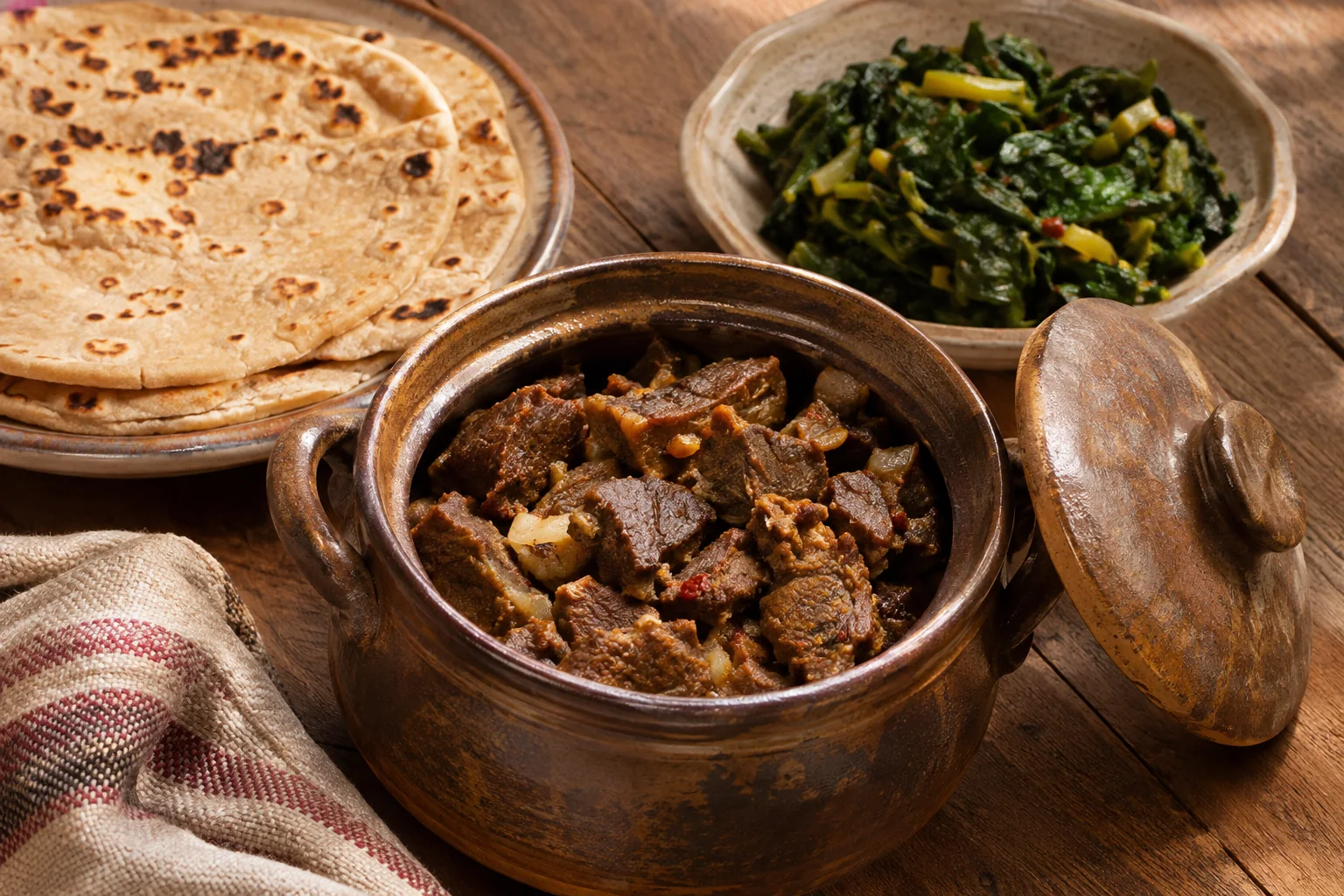
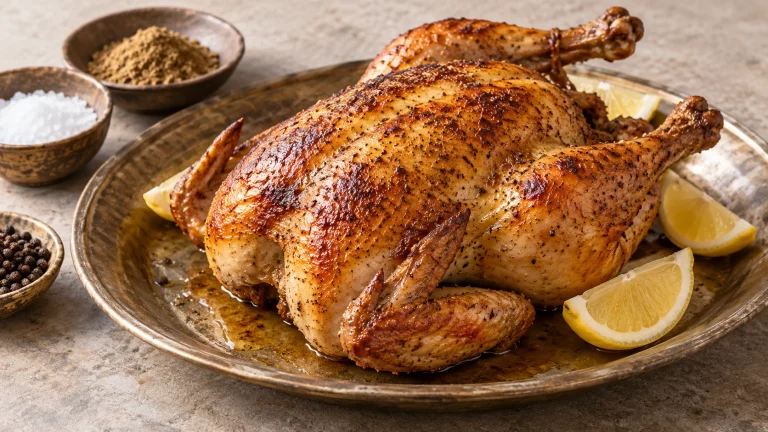
A recipe using preserved meat should account for its salt and fat before adding stock cubes, ghee or seasoning. Taste the sauce only after the meat has received its required cooking treatment. Pair a modest serving with vegetables, pulses, rice or roti as appropriate to the meal. A prepared plate shown here illustrates a serving idea, not a claim to reproduce every family's method.
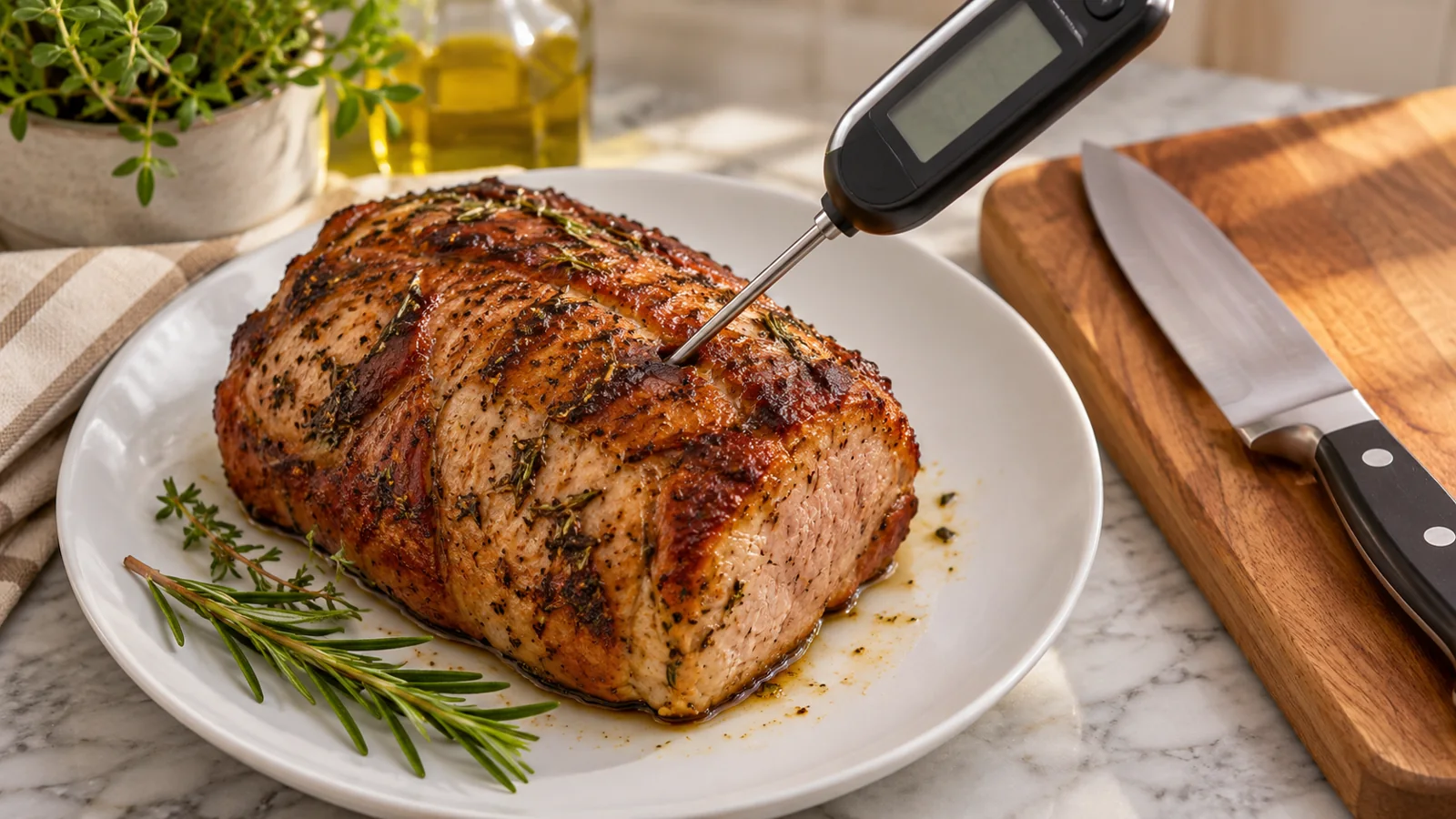
Use a food thermometer where the cooking directions require one. Generic whole-cut beef, goat and lamb minimums are 63°C with a three-minute rest; ground red meat requires 71°C and poultry requires 74°C. These minimums do not validate a preceding curing process or rescue a product with an unsafe history. Follow any stricter validated product instructions.
Reference: USDA controlled jerky safety guidance.
Benefits, sodium and processed-meat limits
Like other meat foods, Landhi can contribute protein, with red meat providing iron, zinc and B vitamins. Drying changes concentration by weight, so a small dried portion is not directly comparable with the same weight of fresh meat. The exact nutrient content depends on the animal, cut, fat, salt and process; this guide does not invent a universal nutrition panel.
Meat salted or cured for preservation falls within the processed-meat discussion, even when it is traditional or homemade. The World Cancer Research Fund advises very little, if any, processed meat. Salt can be substantial, and fat-rich pieces may add saturated fat. Enjoy a small occasional serving if chosen, vary protein sources, and seek personalised advice for sodium restrictions. It is not an immunity booster, cold-weather treatment or cure for weakness.
Before shopping, check that the kitchen can support the plan: a working refrigerator thermometer, clean food-safe containers, a probe thermometer, enough separate utensils and room for prompt chilling. A recipe that fits a small pan may need several batches when doubled. More ingredients do not automatically need the same cooking time, and a larger pot is not proof that the centre heats or cools quickly enough.
For a family meal, decide which jobs can be completed with clean equipment before raw meat is opened. Prepare vegetables and accompaniments separately, then contain the raw work area. After handling raw food, wash hands with soap and clean the surfaces before touching ready-to-eat dishes. Keep the serving area organised so raw packaging and utensils cannot drift back into it.
At the table, offer portions people can finish and replenish from food held at a safe temperature. Keep a record of the quantity that was useful and the amount left over, particularly after a gathering. Planning improves the next meal, but it does not replace time and temperature controls. If a batch has an uncertain storage history, do not test it by tasting a spoonful. Choose an ingredient and process whose handling you can establish, and seek product-specific advice when the label or method is unclear.
Reference: NHS meat and nutrition guidance.

Related DailyLife guides: namkeen roast · namkeen gosht
Frequently Asked Questions
Can homemade Landhi stay unrefrigerated for months?
No universal safe duration can be stated. Shelf stability must be validated for the actual product and process. Follow a traceable producer’s verified instructions; do not infer safety from a dry or salty surface.
Does traditional mean the meat is unprocessed?
No. Meat preserved by salting or curing falls within processed-meat guidance regardless of whether it is homemade or traditional. Keep servings occasional and modest.
Does cooking repair unsafe drying or storage?
No. A final cooking step cannot reliably undo an unsafe product history. Use a properly controlled product and follow its validated handling and cooking instructions.
Keep Exploring
Related places and stories on DailyLife.pk
How we know this
- Type Explainer
- Sources 2
- Reviewed November 2026
- Disputed points None
Photo credits (2)
- Landhi | DailyLife.pk, DailyLife.pk, All rights reserved
- Erector fat tail sheep.jpg, Erector, CC BY 3.0, via Wikimedia Commons
