
Ingredients & Spices · The complete guide
Flatbread
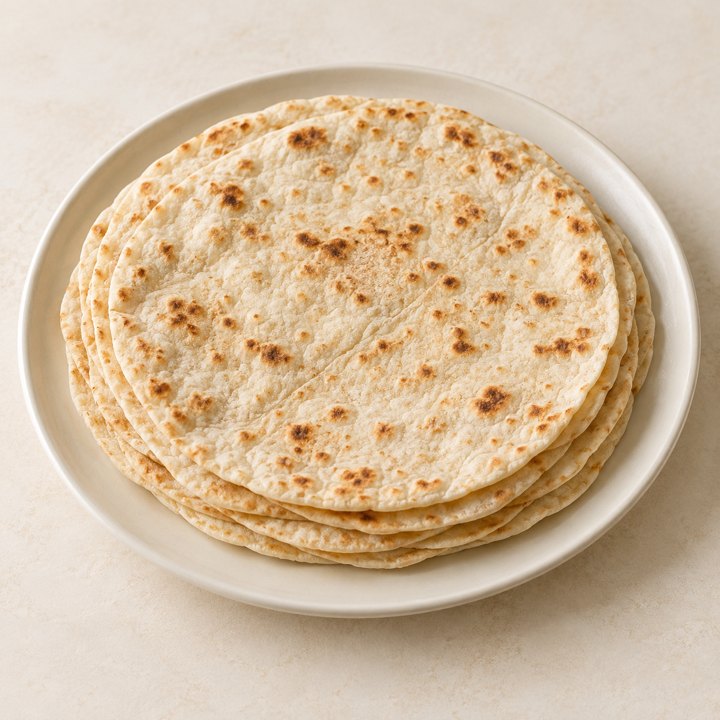
Flatbread is a broad shape category, encompassing thin breads that may be leavened or unleavened. In wrap recipes it usually means a flexible plain wheat bread.
What it is and names used in Pakistan
Flatbread is a broad shape category, encompassing thin breads that may be leavened or unleavened. In wrap recipes it usually means a flexible plain wheat bread.
Origin and historical context
Archaeological and culinary evidence places flatbreads among very old bread forms, but no single modern wrap owns that entire history.
Types, manufacture and buying
Flour and water form the base; yeast, sourdough, salt, fat or dairy vary by style. Tawa, griddle and oven baking give different surfaces.
Choose the bread by crumb and crust rather than by the shape alone. A roll for a juicy filling needs enough structure to hold together, whereas a lightly filled sandwich can use a softer crumb. Compare the weight of pieces: a large bakery roll may be several times the size of a small dinner roll. Wholemeal versions can provide more fibre, but brown colour alone is not evidence of wholegrain flour. If buying loose bread for someone with an allergy, ask the baker about the full dough recipe and shared equipment.
Reference: King Arthur Baking: Pita manufacture and pocket formation.
Production, trade and the Pakistani pantry
Pakistan produces many fresh flatbreads locally; packaged lavash and tortilla-style wraps also circulate through regional food trade.
Cooking uses and practical substitutions
Warm briefly for chicken doner or falafel wraps so the bread bends without cracking. Choose a thin bread with enough strength for wet fillings. Chapati, lavash or an appropriate tortilla can substitute according to the desired thickness.
Warm bread briefly rather than heating until the crumb dries out. Toasting the cut face makes a useful barrier against moist fillings, but it does not make a completed sandwich safe for prolonged room-temperature storage. Drain wet salad and sauces before assembly. When scaling a recipe, account for the size of the bread as well as the number of pieces: one very large roll can need considerably more filling than the recipe assumes. Add strong sauces in thin layers so the bread remains manageable to eat.
Nutrition, benefits and limitations
Wheat bread supplies carbohydrate for energy and some protein; its fibre depends mainly on how much wholegrain flour it contains. Fortification, where used, changes vitamin and mineral content, so the packet is the best guide. Refined bread can fit into an ordinary diet, especially beside vegetables, pulses, eggs or meat, but it should not be presented as a special health food. Added fat, sugar and salt vary with the recipe. Buttering, frying or filling the bread can change the finished meal more than a small difference between plain loaves.
Naan, pita and chapati are not nutritionally identical simply because they are flat. Check flour, added fat and serving weight.
Practical notes and common mistakes
For wraps, test one piece of bread before assembling a batch. If it cracks at the fold, gentle covered warming may help; if it is already brittle, a different bread may be needed. Spread thick fillings across the central area while leaving edges clear. Drain tomatoes and pickles and avoid adding too much thin sauce. A broad round bread can be rolled differently from a long lavash sheet, so adapt the shape rather than forcing the same folding pattern. Toast the completed wrap only as long as the filling allows.
Storage and safe handling
Keep bread protected from dust and excessive humidity and follow the packaged product’s storage instructions. Allow homemade bread to cool before sealing, otherwise condensation encourages deterioration. Freeze portions while still fresh if they will not be used soon; thaw only what is needed. Refrigeration can slow mould in hot humid conditions but often makes bread stale faster, so freezing is useful for longer quality retention. Discard a mouldy loaf or connected batch rather than cutting away a visible spot: bread is porous and contamination can extend beyond what can be seen.
Recipes and related pantry reading
Use the form and quantity specified in each recipe, then adjust for the concentration, salt and moisture of the product you have bought. These dishes show where the ingredient fits in a complete preparation.
For related local names and pantry ingredients, see the Pakistani ingredients and spices guide.
Names and forms used in our recipes
View the recipe names covered by this guide
- flatbread
- thin flatbread
Frequently Asked Questions
Which flatbread works best for a wrap?
Choose a thin flexible bread strong enough to hold the intended filling.
Why does my wrap crack?
The bread may be dry, cold or too thick; brief gentle warming can improve flexibility.
Keep Exploring
Related places and stories on DailyLife.pk

How we know this
- Type Explainer
- Sources 3 (1 official/academic)
- Reviewed November 2026
- Disputed points None
3 sources
Photo credits (1)
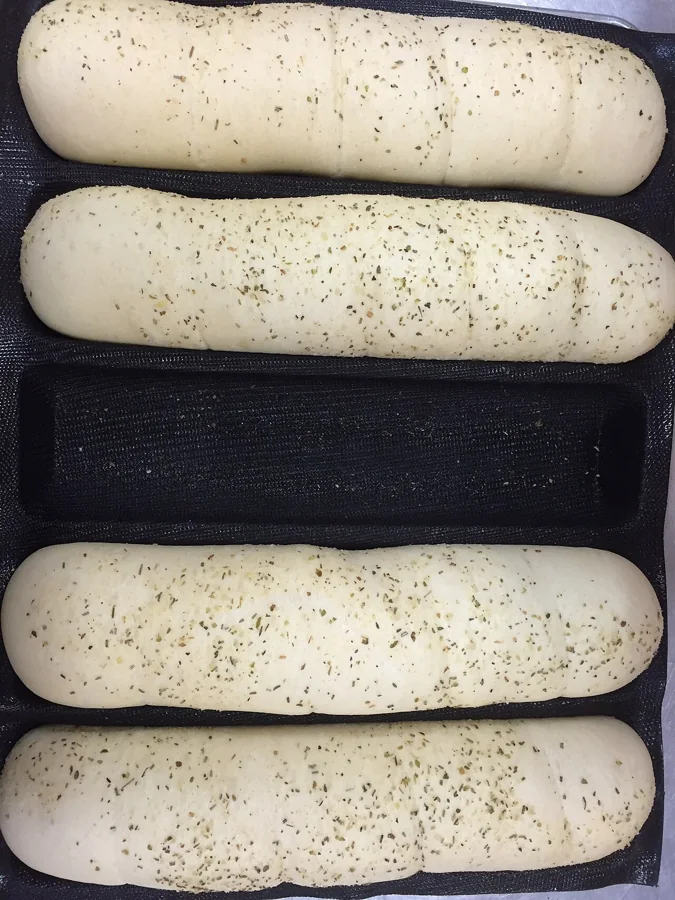
- Bread Dough.jpg, Krish Dulal, CC BY-SA 4.0, via Wikimedia Commons
