
Ingredients & Spices · The complete guide
Marrow bones
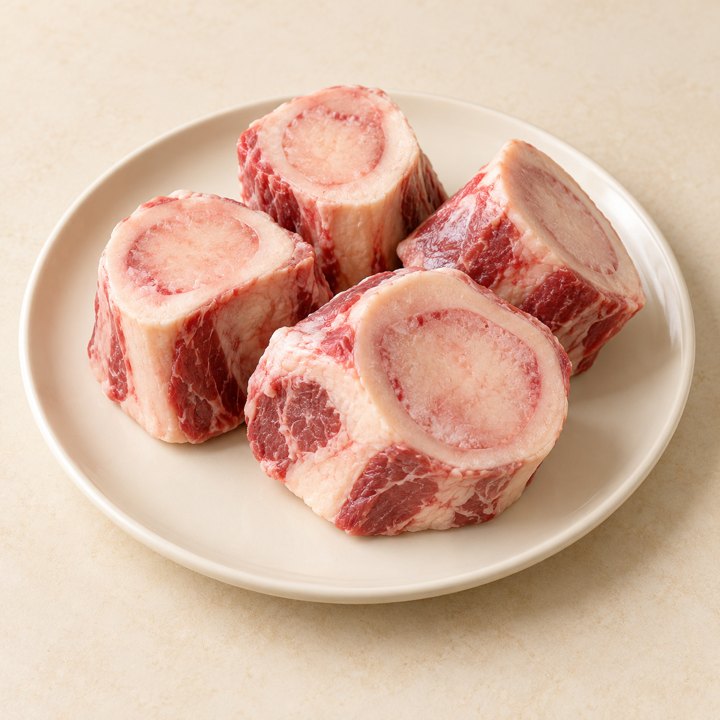
Marrow bones are animal bones, commonly beef leg bones, cut to expose the fatty marrow inside. Nalli refers to this marrow-bearing feature rather than to a boneless meat cut.
What it is and what to ask for
Marrow bones are animal bones, commonly beef leg bones, cut to expose the fatty marrow inside. Nalli refers to this marrow-bearing feature rather than to a boneless meat cut.
Choose bones cut to fit the cooking vessel with marrow visible in the centre. A bare soup bone with little marrow does not provide the same rich filling as a marrow-rich leg bone.
History, production and the Pakistan context
Breaking or cutting bones for marrow is far older than modern livestock butchery. Today's cross-cut and canoe-cut bones are convenient preparations of an old food resource.
Beef-processing countries including Pakistan, Brazil, Australia and the United States produce edible marrow bones. Species, inspection and food-grade preparation should be explicit.
How to use it successfully
Ask the butcher for cleanly sawn bones and remove loose bone dust. Roast or simmer as the recipe directs, then handle carefully: the bone and liquid marrow retain considerable heat.
Marrow can liquefy and escape as it heats. Keep cut openings arranged as the recipe directs and use a tray that catches the fat safely. In stock, skim only according to the desired richness; removing all visible surface fat changes flavour and mouthfeel but does not establish a precise final nutrient content.
Nutrition, benefits and limits
Marrow is predominantly fat rather than a high-protein ingredient. Broth made with bones is not guaranteed to contain large amounts of calcium, and marrow should not be promoted as a treatment for bone disease.
Choosing a replacement
Meaty shank supplies muscle plus some marrow. A little ghee gives fat and richness but lacks the roasted marrow flavour and bone presentation.
When changing the cut, compare tenderness, fat, bone content and whether the meat will be chopped or kept whole. Preserve the recipe’s cooking logic rather than only its ingredient weight. A replacement can be successful without tasting identical, but its own safe cooking guidance must still be followed.
Safe handling and storage
Buy cleaned edible parts from an inspected supplier and keep them chilled in a leakproof container. Bones and feet are not automatically shelf-stable because they contain less ordinary meat. Follow the relevant meat-storage chart and the supplier’s instructions, using a conservative short period for parts containing exposed tissues or marrow.
Ask the butcher to make necessary cuts with proper equipment. Loose bone dust and fragments should be removed before cooking; a household cleaver used forcefully can leave sharp splinters. Use a stable, large enough vessel and sufficient liquid for long cooking. A pressure cooker must be filled and operated according to its manual, including its limits for foaming or gelatin-rich contents.
Check edible tissues for complete cooking and continue until the intended tenderness is reached. A very long simmer is not an excuse to leave the cooked stock warm overnight. Divide broth into shallow containers for prompt chilling, keeping bones and portions manageable. Remove hardened surface fat if desired after cooling, but do not mistake fat removal or a firm gel for proof that unsafe storage has been corrected.
Planning, portions and serving
Roasted marrow is very rich, so a small serving with bread, herbs and an acidic accompaniment can be more balanced in flavour than a large plain portion. Take care with the hot bone when presenting it. In a gravy, the released marrow may become part of the surface fat; choose whether to retain or skim some according to the intended dish. Neither choice allows a precise nutrient claim without a measured final recipe.
Recipes and pantry links
Use marrow bones according to the form specified in the linked recipe: raw versus cooked, bone-in versus boneless, sweetened versus plain, and the stated cut or processing style all affect the result. The ingredient discussion above explains which differences matter most here. Read the complete recipe before shopping, then measure the prepared usable quantity rather than assuming every package has the same yield.
For related ingredient names, local terminology and flavour pairings, browse the Pakistani ingredients and spices pantry guide.
Names and forms used in our recipes
View the recipe names covered by this guide
- beef bones
- beef marrow bones
- extra food-grade beef marrow bones
- food-grade split marrow bones, raw
Frequently Asked Questions
Is marrow mostly protein?
No. Marrow is predominantly fat, whereas attached shank meat supplies ordinary muscle protein. A marrow-rich broth should not be treated as nutritionally equivalent to a serving of lean meat.
What should I check before buying marrow bones for these recipes?
Choose bones cut to fit the cooking vessel with marrow visible in the centre. A bare soup bone with little marrow does not provide the same rich filling as a marrow-rich leg bone. Keep the recipe’s cut and prepared weight in mind, because changing them affects cooking and serving yield.
What is a practical substitute for marrow bones?
Meaty shank supplies muscle plus some marrow. A little ghee gives fat and richness but lacks the roasted marrow flavour and bone presentation. Make a small test where binding, melting or a delicate final texture is central, and adjust the recipe rather than treating different ingredients as identical.
Keep Exploring
Related places and stories on DailyLife.pk

How we know this
- Type Explainer
- Sources 5 (3 official/academic)
- Reviewed November 2026
- Disputed points None
