
Ingredients & Spices · The complete guide
Shiitake
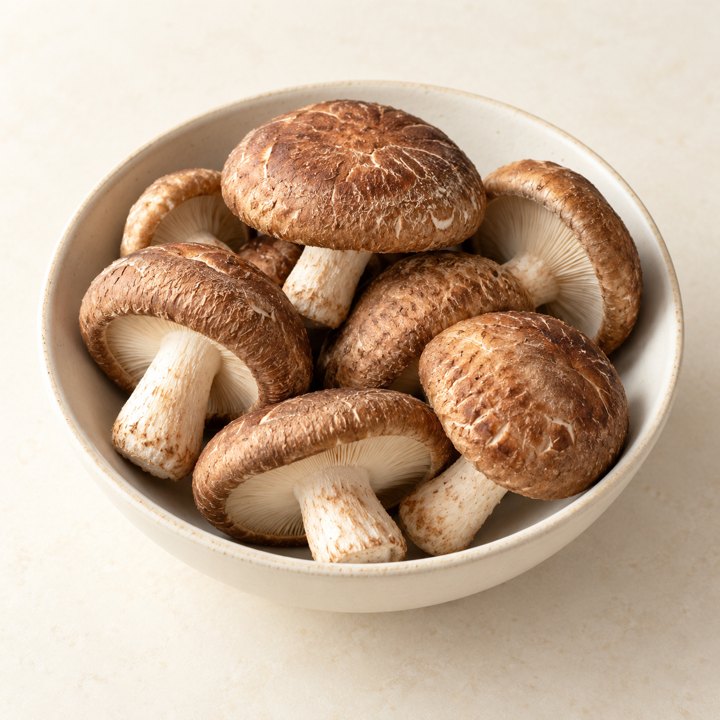
Shiitake is Lentinula edodes, an edible wood-decaying fungus with brown caps. Its eating character is deeply savoury and woody, with chewy caps and firm stems.
What is shiitake? Names, flavour and types
Shiitake is Lentinula edodes, an edible wood-decaying fungus with brown caps. Its eating character is deeply savoury and woody, with chewy caps and firm stems.
The main forms to recognise are fresh caps, dried whole shiitake and sliced dried mushrooms; dried fruiting bodies have a stronger aroma. Choose the form and ripeness specified by the recipe.
Origins, cultivation and the Pakistan market
Cultivated in East Asia for centuries, especially using hardwood logs; modern producers also use prepared blocks. The relevant botanical or crop background is documented in FAO — Edible fungi, commercial use and cultivation.
Growing conditions and producing countries: Controlled cultivation on logs or sawdust-based substrates; China and Japan have established industries. Fresh shiitake is a specialty purchase; dried mushrooms store and travel more easily. Cultivated fresh mushrooms, dried mushrooms and canned mushrooms move through different supply chains. Species and processing method should be stated clearly: a generic “mushroom” pack may not give the flavour or texture expected from a named shiitake or oyster mushroom recipe.

How to prepare, cook and substitute it
Remove tough stems for stock, slice caps and cook thoroughly in ramen or udon. Rehydrate dried caps until soft, then strain any soaking liquid before cooking
Yes, when the mushrooms and water have been handled cleanly. Lift out softened caps and strain the liquid to remove grit before cooking it as part of the broth. The liquid can taste quite intense, so add it gradually rather than automatically using every drop. Tough stems suit broth better than a quick noodle topping. Rehydrating is not the same as cooking: shiitake should be thoroughly cooked after soaking, particularly because raw or undercooked mushrooms can provoke an itchy skin reaction.
Mushrooms release moisture as their cell structure softens. Use a wide pan and work in batches if the aim is browning rather than a pale simmer. Let the first side colour before stirring repeatedly, then season and add the sauce. A soup can use the released liquid, whereas a pastry or dumpling filling usually needs that liquid reduced away. Keep dried and fresh weights separate in recipe calculations: a small weight of dried mushrooms becomes much larger after soaking and has a more concentrated flavour.
A useful starting substitute is oyster mushrooms for a gentler savoury flavour, button mushrooms for availability. Adjust the recipe for the replacement’s texture and moisture.
Buying and storing it well
Look for firm dry caps without slime or sour smell; dried packs should be dry and insect-free. Buy an amount that can be used while its texture is still suitable for the intended dish. Trim away ordinary damaged portions where appropriate, but reject a product showing active decay or an abnormal smell rather than hiding it in a strongly spiced preparation.
For storage, refrigerate fresh mushrooms in breathable packaging; store dried ones sealed and dry. Keep prepared portions separate from unwashed produce and raw animal foods. Use a clean covered container for cut or cooked food, and label frozen portions so the oldest batch is used first. The condition at purchase, kitchen temperature and packaging all affect keeping quality; a fixed number of days is not a guarantee of safety.
Nutrition, benefits and practical cautions
The nutritional contribution is B vitamins and minerals; UV exposure affects vitamin D and dried weight is concentrated. USDA FoodData Central distinguishes raw, cooked, dried and processed forms. Recipe totals must also account for added oil, cream, sugar or syrup.
Raw or undercooked shiitake can cause a distinctive itchy dermatitis; medical evaluation is sensible for a new rash. The relevant precaution is explained by ANSES — Raw or undercooked shiitake and dermatitis. Its role in a balanced meal depends on portion size and preparation. Whole foods and concentrated supplements are different products and should not be treated as interchangeable.
Recipes using shiitake
Use the linked recipes to match preparation to the finished dish. Check whether the ingredient quantity means whole purchased weight, peeled edible weight, drained weight or a cooked portion before shopping. This is especially helpful when a recipe needs a thick filling or a carefully balanced drink.
For related Urdu names, pantry ingredients and cooking combinations, see the Pakistani ingredients and spices guide.
Names and forms used in our recipes
View the recipe names covered by this guide
- fresh shiitake mushrooms
- shiitake mushrooms
Frequently Asked Questions
Can dried shiitake soaking water be used in ramen?
Yes, when the mushrooms and water have been handled cleanly. Lift out softened caps and strain the liquid to remove grit before cooking it as part of the broth. The liquid can taste quite intense, so add it gradually rather than automatically using every drop. Tough stems suit broth better than a quick noodle topping. Rehydrating is not the same as cooking: shiitake should be thoroughly cooked after soaking, particularly because raw or undercooked mushrooms can provoke an itchy skin reaction.
How should I store shiitake?
Refrigerate fresh mushrooms in breathable packaging; store dried ones sealed and dry.
What should I consider before serving shiitake?
Raw or undercooked shiitake can cause a distinctive itchy dermatitis; medical evaluation is sensible for a new rash.
Keep Exploring
Related places and stories on DailyLife.pk

How we know this
- Type Explainer
- Sources 5 (2 official/academic)
- Reviewed November 2026
- Disputed points None
5 sources
Photo credits (1)
- I-11 Sabze Mande, Islamabad.jpg, Pakieditor, CC BY-SA 4.0, via Wikimedia Commons
