
Ingredients & Spices · The complete guide
Chicken Stock and Yakhni: PartsCooking, Salt and Storage
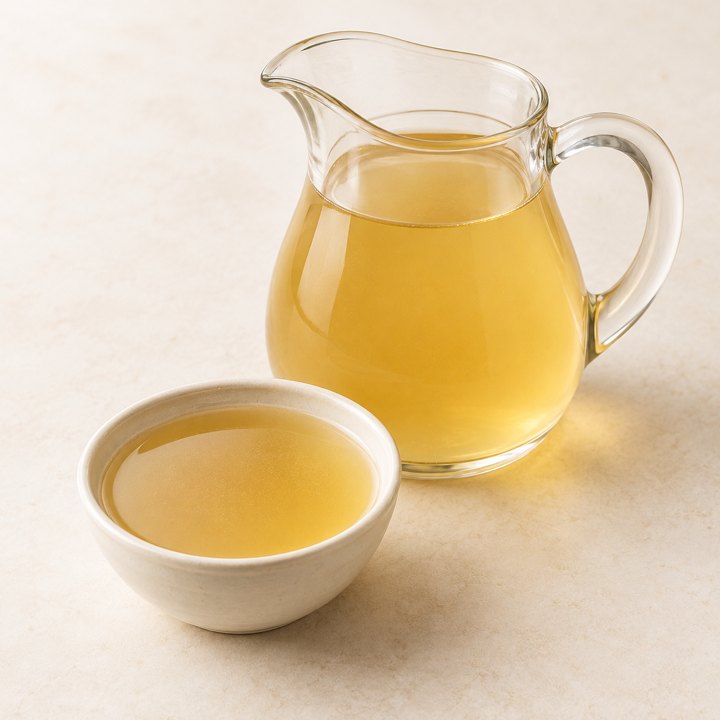
Chicken stock is a cooking liquid made by extracting flavour from chicken parts in water, usually with selected aromatics.
What it is and names used in Pakistan
Chicken stock is a cooking liquid made by extracting flavour from chicken parts in water, usually with selected aromatics. Yakhni can refer to a seasoned broth and to the base of a rice dish; recipes differ in the balance of meat, bones and spices. Homemade liquid, ready-to-use cartons, concentrated pastes and cubes are different products. State which one you are using before measuring it.
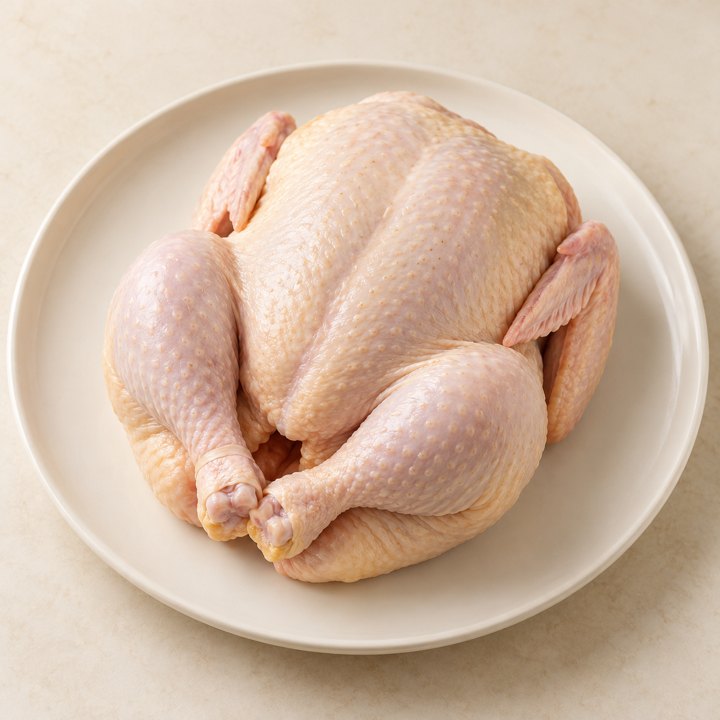
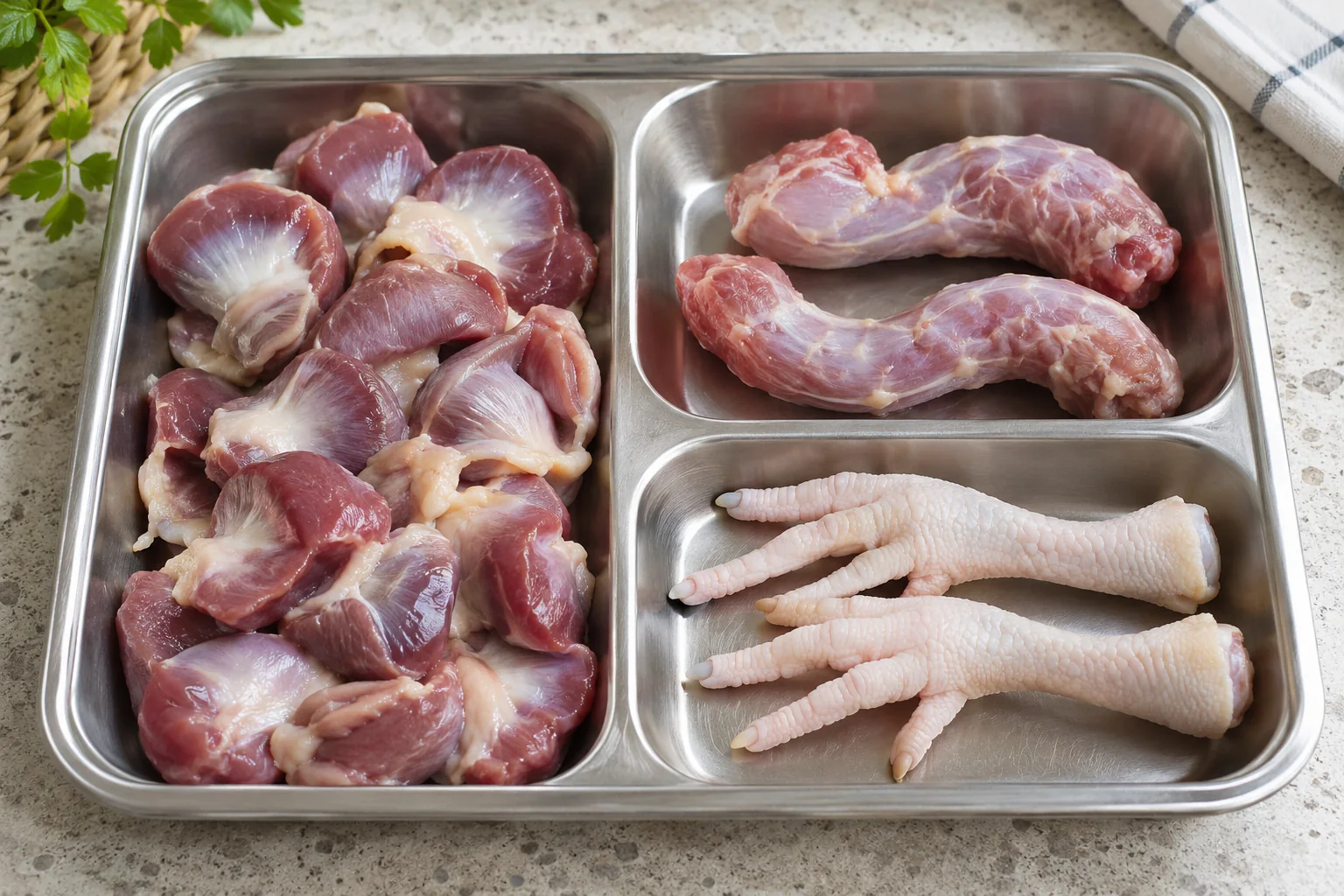
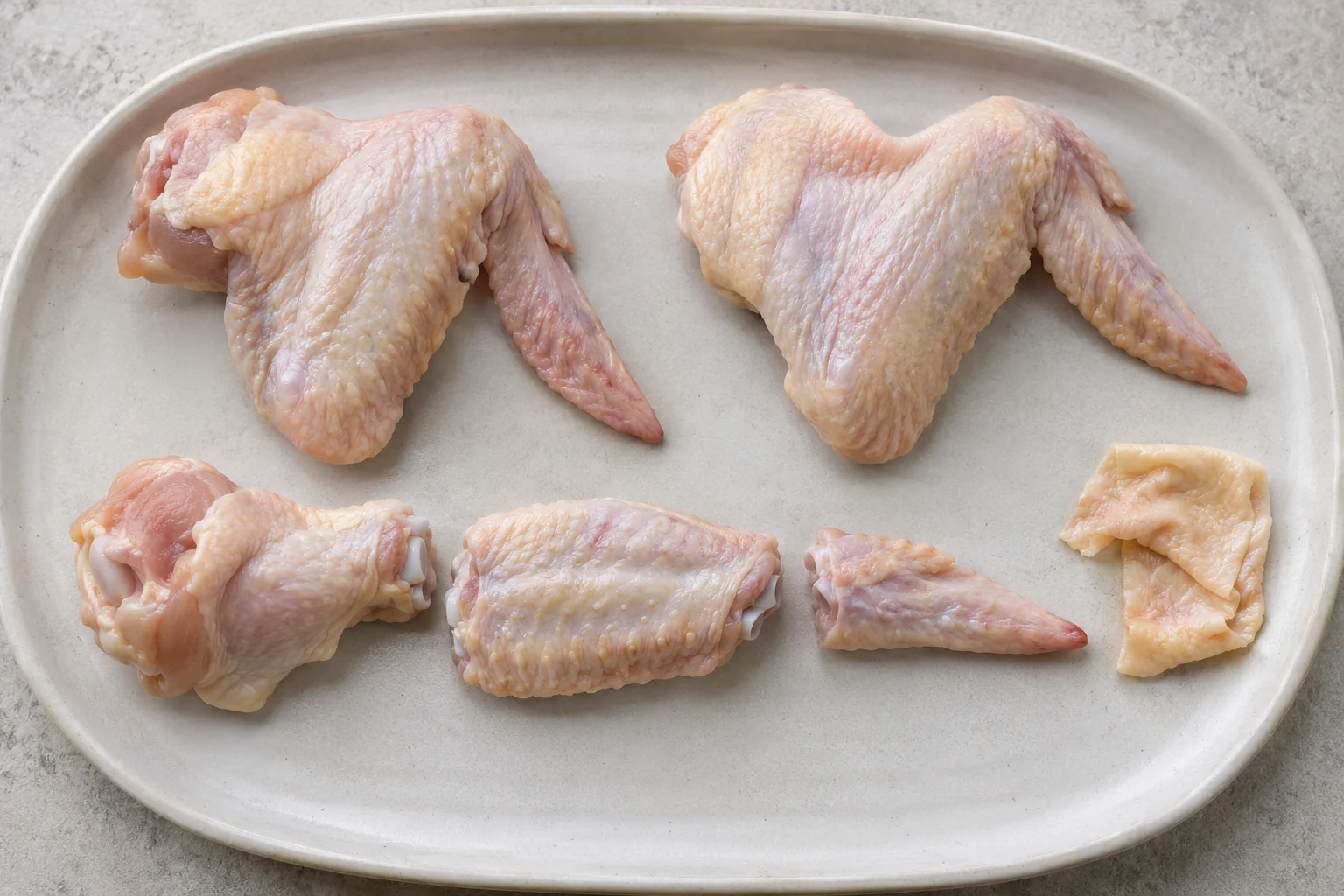
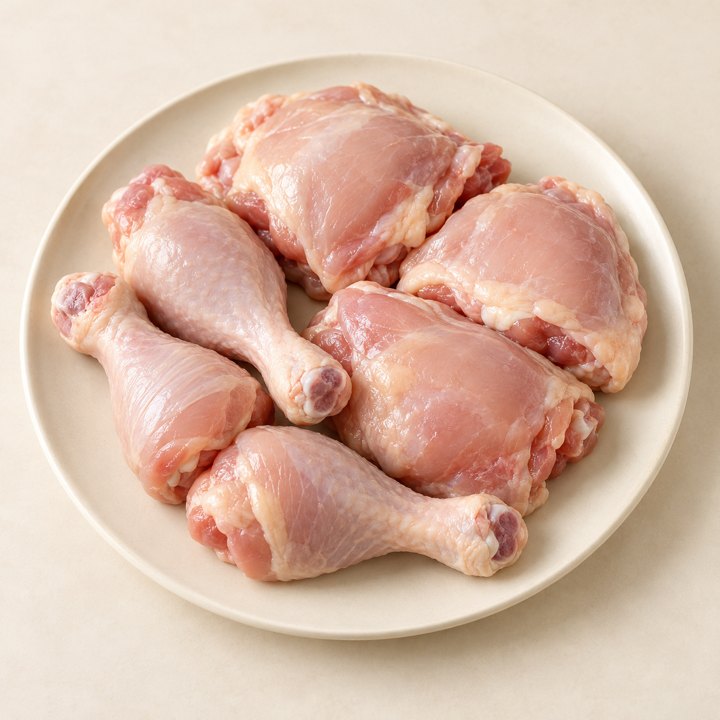
A frame with backs, necks and wings is useful for stock; meaty pieces give a fuller chicken flavour. Cleaned feet can contribute gelatin and body, while a breast alone is often an expensive way to make a thin broth. Keep liver out of a mild stock because it can cloud the liquid and dominate the flavour. Ask the seller for clearly identified, clean, chilled parts rather than an unlabelled bag of uncertain scraps.
Origin and historical context
In Pakistani cooking, a well-flavoured yakhni is useful for pulao, soups and gentle moist cooking. Different households use different spice bags and meat-to-water ratios. This is a culinary method with many forms, so there is no need to invent a single origin or claim that one version is uniquely authentic.
The practical distinction is purpose. A clear soup may need a light, carefully strained liquid; pulao needs measured liquid and balanced salt; a sauce may benefit from a more concentrated stock. Decide the use before adding strong spices, lots of salt or a large amount of water. A neutral base can be divided and seasoned later for several meals.
Types, manufacture and buying
A light stock begins with raw chicken parts and gentle moist cooking. A roasted stock uses browned parts for a deeper colour and flavour. Neither colour proves greater nutritional value. A gelatin-rich stock may set when cold because connective tissues contribute gelatin, but that texture does not establish a special joint, skin or gut-health benefit.
Commercial cubes and powders are concentrated seasonings, often with considerable salt, rather than a direct equivalent to homemade unsalted stock. Ready-to-use liquid may also be salted. Read the ingredient list and dilution instructions. Choose the form for the task: a cube is convenient for seasoning but cannot reproduce the exact body and flavour of every homemade broth. Taste before adding more salt.
Production, trade and the Pakistani pantry
For homemade stock, source chicken parts as carefully as meat intended for a main dish. Bones, necks, backs and feet still need refrigeration. Ask whether the parts were previously frozen and how long they have been held chilled. A low price is useful only if the product is sound and you can chill and cook it appropriately.
For packaged stock, check the intact seal, use-by information, allergens and storage instructions after opening. Local and imported brands can have different concentrations and sodium levels, so compare the prepared liquid specified on the label rather than the packet size alone. No guide can promise a national price or steady availability for all sellers. Buy the quantity that fits your recipe and available cooling space.
Cooking uses and practical substitutions
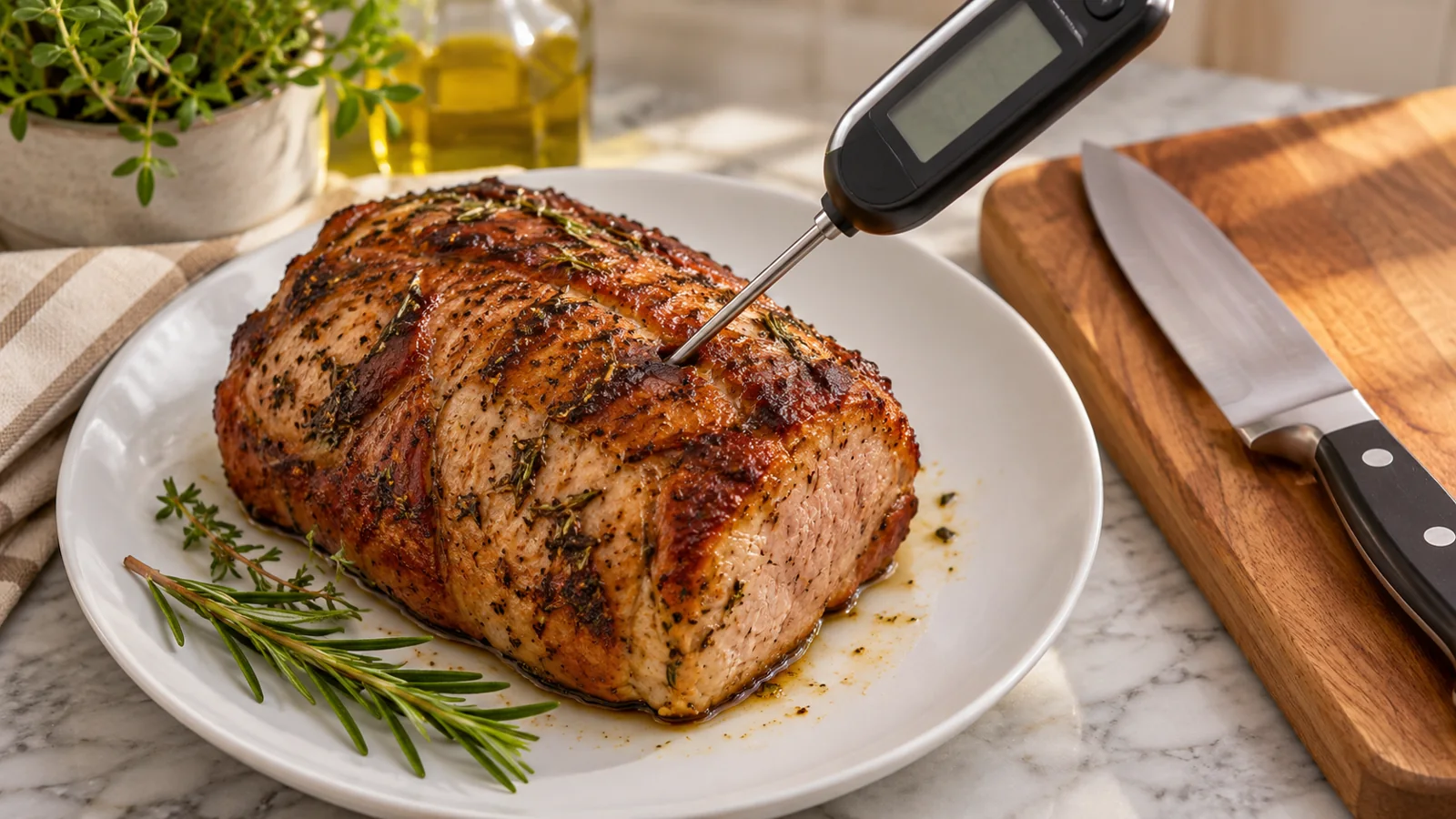
Place suitable chilled chicken parts in a clean pot, cover with the recipe's measured water and bring to a controlled simmer. Remove surface foam if you want a clearer appearance. Add aromatics appropriate to the intended dish, then maintain enough liquid to prevent scorching. A violent boil can emulsify fat and cloud a broth; a gentle simmer gives more control.
Any meat you intend to eat must reach 74°C. Strain through a suitable sieve and check carefully for small bone fragments before serving. Do not press bones into a liquid intended for a clear soup. Remove usable cooked meat with clean utensils, then cool it separately. Reduce stock if a stronger flavour is needed, remembering that existing salt also becomes more concentrated. Simmering for many hours is not a substitute for good ingredients, prompt cooling or clean storage.
Nutrition, benefits and limitations
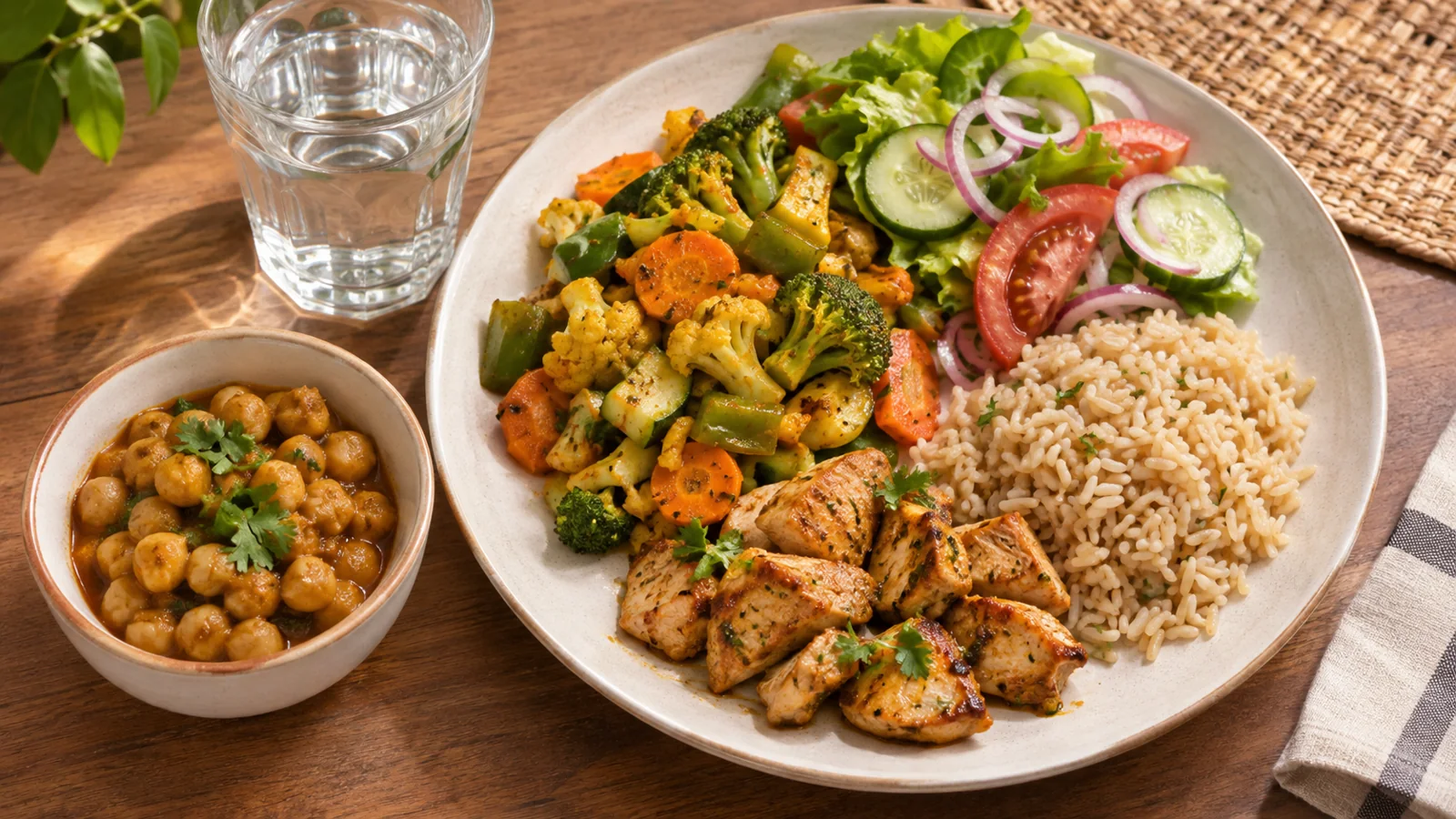
The composition of homemade stock varies with the parts, water quantity, concentration and fat removal. Without a specific tested recipe, it is not honest to promise a fixed protein, iron or mineral amount per bowl. A thin strained broth is not equivalent to a serving of chicken meat or a complete meal.
Stock can make vegetables, pulses and grains more appealing and can be useful when someone prefers a warm liquid, but it is not a cure, a detox or a guaranteed immunity booster. Gelatin-rich body does not prove clinical benefits. Skimming chilled fat changes richness; choosing unsalted or lower-salt stock gives greater control over seasoning. Add substantial foods when the goal is a filling meal rather than relying on broth alone.
Practical notes and common mistakes
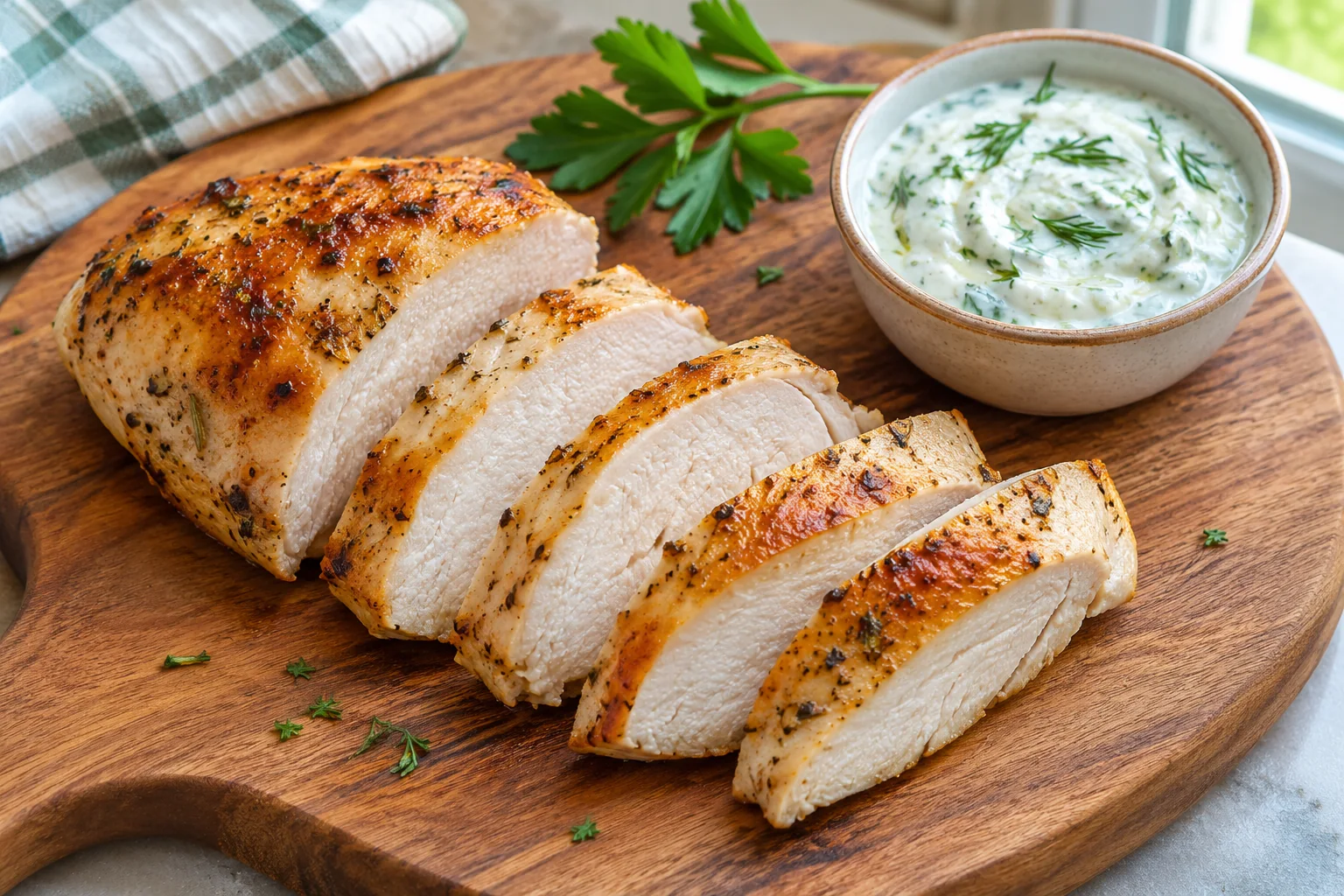
For pulao, strain and measure the finished yakhni before combining it with rice; evaporation means the volume in the pot can differ from the water you started with. Account for meat juices and other liquid specified by the recipe. Do not add a salty cube automatically to a well-seasoned homemade stock.
For soup, add vegetables and any separately cooked meat at a stage suited to their texture. If substituting water plus seasoning for stock, expect a lighter result rather than claiming it is identical. Freeze small unsalted portions for sauces or larger portions for soup, with clear labels. Use food-safe containers with room for expansion and plan to thaw only the quantity needed. Keep stock separate from uncooked poultry during storage.
Storage and safe handling
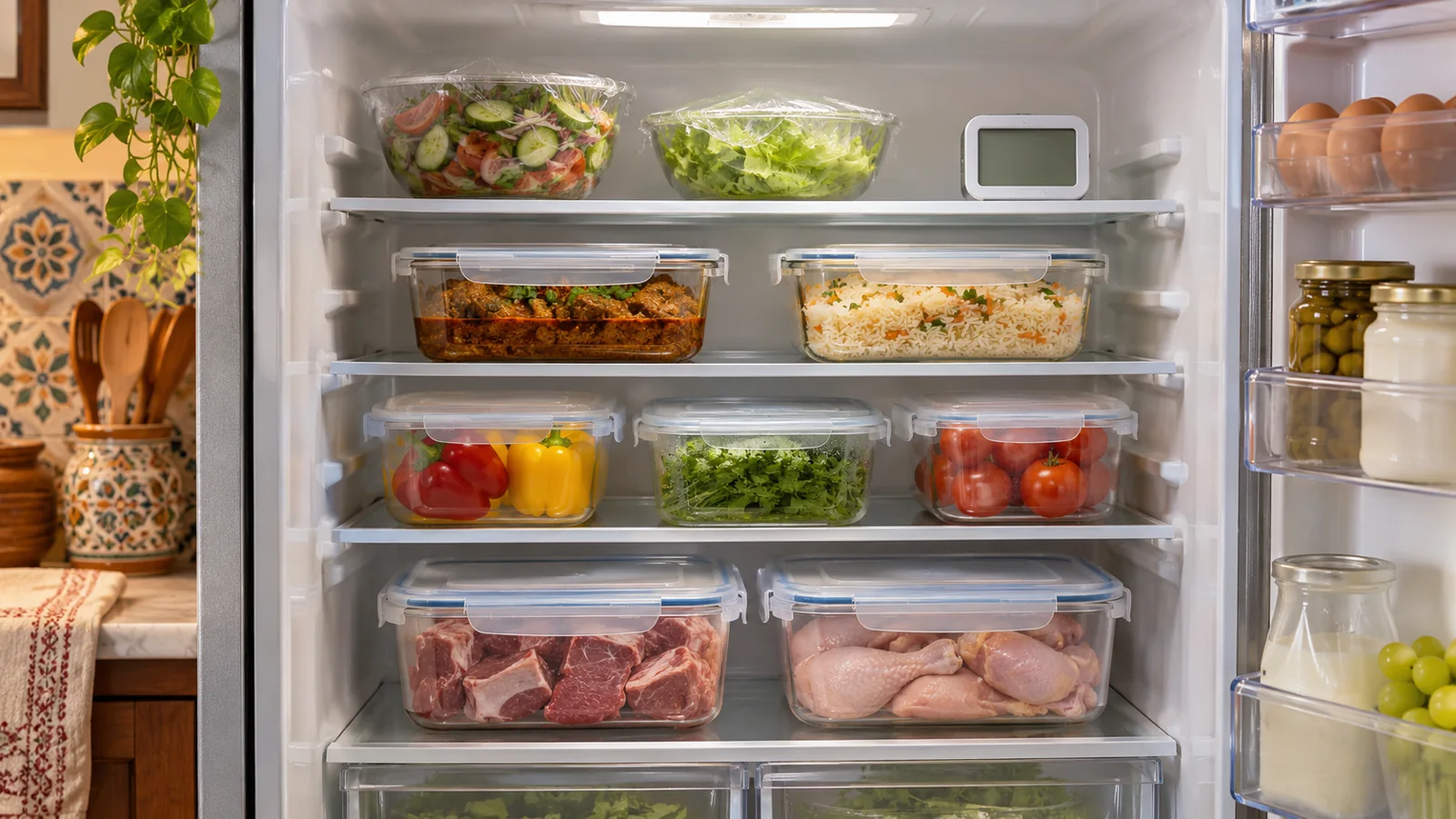
Stock needs prompt cooling. Do not leave a deep covered pot on the counter overnight or wait for a large pot to become fully cold at room temperature. Divide into small shallow containers; an ice-water bath around the container can help cool a larger quantity before refrigeration. Small amounts of hot food can go directly into the refrigerator, according to USDA guidance, provided the refrigerator can cool them properly.
Keep the refrigerator at 4°C or below. Refrigerate within two hours, or within one hour when exposed to temperatures above 32°C. Use properly chilled homemade chicken stock within three to four days or freeze it. Follow the label for commercial products. Reheat leftovers to 74°C. Reboiling does not reliably rescue stock that has been left warm too long; discard food with an unsafe storage history.
USDA: cooling large pots safely; USDA: cooked chicken storage; FoodSafety.gov: safe chilling
Recipes and related pantry reading

Use stock to support the main ingredients, not to overpower them. A spiced yakhni that suits pulao may dominate a delicate corn soup, while a roasted stock can deepen a sauce. Begin with less salt, taste after reduction and adjust only at the end. For a vegetarian recipe, choose a vegetable stock and describe the substitution honestly.
Read each linked recipe's liquid instructions before shopping. If it asks for cooked chicken and stock, those are separate ingredients; a bare frame does not provide the stated meat portion. If it asks for raw meat simmered in water, do not assume a carton replaces that entire cooking stage. Keep the useful recipe collection below as a starting point for matching strength, spice and quantity.
Names and forms used in our recipes
Stock, broth and yakhni overlap in everyday use, but their recipe roles are more important than a rigid naming argument. Unsalted stock, salted broth and a concentrated cube need different dilution and seasoning decisions. Stock powder is measured according to its label; it is not a gram-for-gram replacement for liquid stock.
Clarify whether chicken stock in a recipe means homemade liquid, a prepared commercial product or water mixed with a stated amount of seasoning. Label frozen containers with date, volume and salt level. That small habit prevents a strongly salted batch from being reduced into an overly salty sauce. Keep all raw chicken parts for future stock within the same one-to-two-day refrigerated window as other raw poultry, or freeze them promptly.
- halal chicken stock
- low-salt chicken stock
- strained chicken cooking broth
- unsalted chicken stock
- water or unsalted chicken stock
Frequently Asked Questions
Can chicken cubes replace liquid stock by equal volume?
No. Follow the product dilution instructions and taste for salt. Cubes, concentrate and ready-to-use liquid have different strengths.
Why measure stock after straining for pulao?
Evaporation changes the volume during cooking. Strain and measure the finished liquid, then follow the rice recipe and account for its other liquids.
Keep Exploring
Related places and stories on DailyLife.pk
How we know this
- Type Explainer
- Sources 3 (3 official/academic)
- Reviewed November 2026
- Disputed points None
