
Ingredients & Spices · The complete guide
Mustard greens (Sarson)
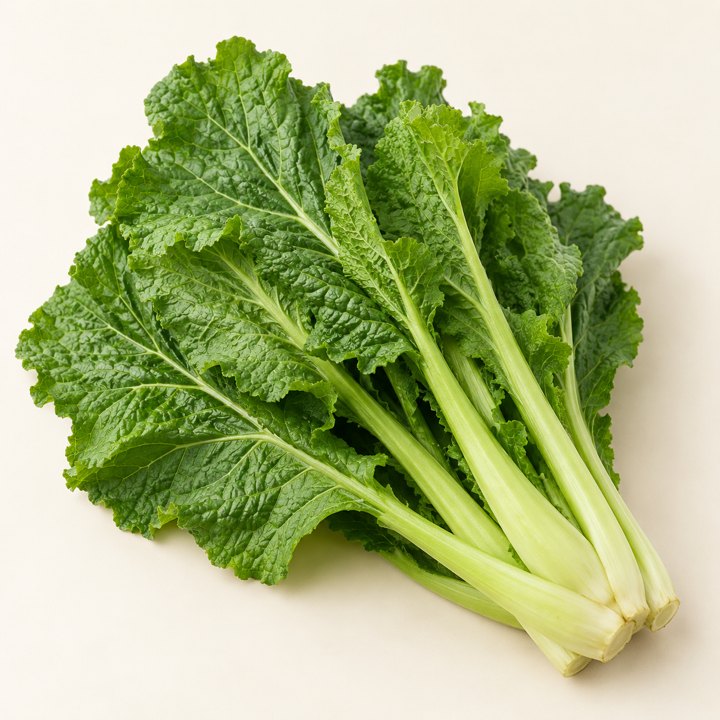
Mustard greens are Brassica juncea and other edible mustard leaf types; sarson ka saag refers to the greens and the cooked dish. Its eating character is peppery and slightly bitter raw, mellower and deeper after slow cooking.
What is mustard greens? Names, flavour and types
Mustard greens are Brassica juncea and other edible mustard leaf types; sarson ka saag refers to the greens and the cooked dish. Its eating character is peppery and slightly bitter raw, mellower and deeper after slow cooking.
The main forms to recognise are broad-leaved and curled greens, young tender leaves and mature pungent bunches. Choose the form and ripeness specified by the recipe.
Origins, cultivation and the Pakistan market
Mustard crops have long Asian and Eurasian cultivation histories; leaf, oilseed and spice forms developed through different selection. The relevant botanical or crop background is documented in NParks | Brassica juncea Broad-leaf Mustard Group.
Growing conditions and producing countries: A cool-season leafy crop; cultivated in China, India, Pakistan and neighbouring countries. Winter sarson is central to saag, often blended with palak and bathua. Fresh leaves have a short selling life, so nearby production and reliable cooling often matter more to household quality than the distance printed on a label. Imported salad packs and locally tied market bunches can also differ considerably in trimming and usable weight.

How to prepare, cook and substitute it
Wash thoroughly, remove coarse stems and cook until tender. Chop or blend to the desired texture; add spinach for softness and maize flour only as the recipe requires
They can soften mustard greens’ pungency and change the texture of the finished saag. The proportions are a household choice rather than a botanical definition. Mature mustard stems may need trimming or a longer initial simmer, while spinach leaves cook rapidly. Cook the mixture until genuinely tender before blending; otherwise coarse fibres remain. Adjust salt after the greens have reduced, and add the recipe’s thickener gradually. A large amount of maize flour can obscure the greens instead of merely giving the intended body.
Work with the stems and leaves separately when their thickness differs. A coarse stem may still be firm after the leaf has collapsed, so either trim it away or give it a head start. Drain washed greens properly before they meet hot oil: water lowers the pan temperature and can leave a masala thin. For a smooth saag, cook the leaves to tenderness before blending rather than expecting a blender to soften tough fibre. Taste the finished mixture before adding more salt, especially after its volume has reduced.
A useful starting substitute is collards or kale for robust greens, with a small amount of another peppery green if tolerated. Adjust the recipe for the replacement’s texture and moisture.
Buying and storing it well
Look for fresh green leaves with no extensive yellowing, slime or decayed stems. Buy an amount that can be used while its texture is still suitable for the intended dish. Trim away ordinary damaged portions where appropriate, but reject a product showing active decay or an abnormal smell rather than hiding it in a strongly spiced preparation.
For storage, refrigerate dry leaves and cook soon; freeze cooked greens in meal-sized portions. Keep prepared portions separate from unwashed produce and raw animal foods. Use a clean covered container for cut or cooked food, and label frozen portions so the oldest batch is used first. The condition at purchase, kitchen temperature and packaging all affect keeping quality; a fixed number of days is not a guarantee of safety.
Nutrition, benefits and practical cautions
The nutritional contribution is vitamin K, carotenoid pigments, folate and fibre. USDA FoodData Central distinguishes raw, cooked, dried and processed forms. Recipe totals must also account for added oil, cream, sugar or syrup.
Mustard allergy can be significant; warfarin users should keep vitamin K intake consistent. Its role in a balanced meal depends on portion size and preparation. Whole foods and concentrated supplements are different products and should not be treated as interchangeable.
Recipes using mustard greens
Use the linked recipes to match preparation to the finished dish. Check whether the ingredient quantity means whole purchased weight, peeled edible weight, drained weight or a cooked portion before shopping. This is especially helpful when a recipe needs a thick filling or a carefully balanced drink.
For related Urdu names, pantry ingredients and cooking combinations, see the Pakistani ingredients and spices guide.
Names and forms used in our recipes
View the recipe names covered by this guide
- mustard greens, tough stems removed
- sarson (mustard greens)
Frequently Asked Questions
Why are palak and bathua added to sarson ka saag?
They can soften mustard greens’ pungency and change the texture of the finished saag. The proportions are a household choice rather than a botanical definition. Mature mustard stems may need trimming or a longer initial simmer, while spinach leaves cook rapidly. Cook the mixture until genuinely tender before blending; otherwise coarse fibres remain. Adjust salt after the greens have reduced, and add the recipe’s thickener gradually. A large amount of maize flour can obscure the greens instead of merely giving the intended body.
How should I store mustard greens?
Refrigerate dry leaves and cook soon; freeze cooked greens in meal-sized portions.
What should I consider before serving mustard greens?
Mustard allergy can be significant; warfarin users should keep vitamin K intake consistent.
Keep Exploring
Related places and stories on DailyLife.pk

How we know this
- Type Explainer
- Sources 7 (3 official/academic)
- Reviewed November 2026
- Disputed points None
7 sources
Photo credits (1)
- I-11 Sabze Mande, Islamabad.jpg, Pakieditor, CC BY-SA 4.0, via Wikimedia Commons
