
Ingredients & Spices · The complete guide
Eggplant (Baingan)
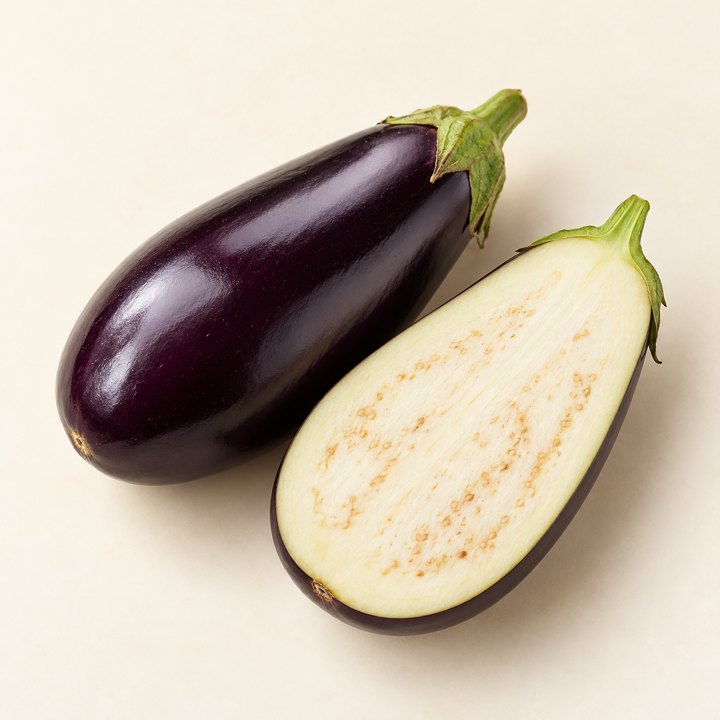
Eggplant is Solanum melongena, the aubergine called baingan. Its eating character is mild flesh that turns silky, with skin texture varying by cultivar.
What is eggplant? Names, flavour and types
Eggplant is Solanum melongena, the aubergine called baingan. Its eating character is mild flesh that turns silky, with skin texture varying by cultivar.
The main forms to recognise are large purple globes, slender Asian fruit, white varieties and small round stuffing types. Choose the form and ripeness specified by the recipe.
Origins, cultivation and the Pakistan market
Domestication occurred in the region between India, Myanmar and China; farmers selected less bitter, larger fruit from related plants. The relevant botanical or crop background is documented in Aubergine - Solanum melongena | Kew.
Growing conditions and producing countries: Warm-season plants need sustained heat; China, India, Egypt, Türkiye and Pakistan grow eggplants. Widely used for bharta, bharwan baingan and aloo baingan. Fresh, frozen and canned versions are separate market products. The best choice depends on the intended texture and whether the product is already cooked, salted or packed in liquid. Compare usable trimmed weight as well as purchase price when deciding between them.

How to prepare, cook and substitute it
Roast whole for smoky bharta, or brown cubes before adding masala. Small round fruit suits stuffing; do not substitute a large watery fruit without changing the cut
No. Many fresh cultivated eggplants are mild enough to cook directly. Salting can still draw out moisture and change texture, but it is a method choice rather than an automatic requirement for every dish. Dry the surface before frying or roasting. For bharta, roast until the flesh is thoroughly soft, then scoop it away from charred skin. For stuffed small baingan, make cuts deep enough for masala to enter while leaving the base intact so the fruit holds together during cooking.
Prepare pieces of similar thickness and decide whether the dish needs a crisp bite or a fully softened texture. In a stir-fry, water left on washed ingredients can cool the pan and dilute the sauce. In a soup or curry, a little extra moisture may instead be useful. Keep the prepared ingredient separate from raw meat until the recipe’s cooking stage, and use clean utensils for the final garnish. A small test portion can establish cooking time when the available market variety is unfamiliar or noticeably more mature than usual.
A useful starting substitute is courgette for soft vegetable volume, mushrooms for savouriness, neither giving the same silky flesh. Adjust the recipe for the replacement’s texture and moisture.
Buying and storing it well
Look for glossy firm fruit with a fresh calyx; heavy browning and hard mature seeds suggest age. Buy an amount that can be used while its texture is still suitable for the intended dish. Trim away ordinary damaged portions where appropriate, but reject a product showing active decay or an abnormal smell rather than hiding it in a strongly spiced preparation.
For storage, refrigerate for short storage; protect from drying and use promptly after cutting. Keep prepared portions separate from unwashed produce and raw animal foods. Use a clean covered container for cut or cooked food, and label frozen portions so the oldest batch is used first. The condition at purchase, kitchen temperature and packaging all affect keeping quality; a fixed number of days is not a guarantee of safety.
Nutrition, benefits and practical cautions
The nutritional contribution is fibre and some potassium, with purple skin contributing pigments. USDA FoodData Central distinguishes raw, cooked, dried and processed forms. Recipe totals must also account for added oil, cream, sugar or syrup.
Absorbs considerable oil during frying; allergy is possible, and raw stems and leaves are not food. Its role in a balanced meal depends on portion size and preparation. Whole foods and concentrated supplements are different products and should not be treated as interchangeable.
Recipes using eggplant
Use the linked recipes to match preparation to the finished dish. Check whether the ingredient quantity means whole purchased weight, peeled edible weight, drained weight or a cooked portion before shopping. This is especially helpful when a recipe needs a thick filling or a carefully balanced drink.
For related Urdu names, pantry ingredients and cooking combinations, see the Pakistani ingredients and spices guide.
Names and forms used in our recipes
View the recipe names covered by this guide
- aubergine
- aubergine, 3 cm chunks, raw edible weight
- aubergine, trimmed, 3 cm chunks
- globe eggplants
- small round aubergines, about 6-8
- whole large aubergine/eggplant, unpeeled raw
Frequently Asked Questions
Does baingan always need salting before cooking?
No. Many fresh cultivated eggplants are mild enough to cook directly. Salting can still draw out moisture and change texture, but it is a method choice rather than an automatic requirement for every dish. Dry the surface before frying or roasting. For bharta, roast until the flesh is thoroughly soft, then scoop it away from charred skin. For stuffed small baingan, make cuts deep enough for masala to enter while leaving the base intact so the fruit holds together during cooking.
How should I store eggplant?
Refrigerate for short storage; protect from drying and use promptly after cutting.
What should I consider before serving eggplant?
Absorbs considerable oil during frying; allergy is possible, and raw stems and leaves are not food.
Keep Exploring
Related places and stories on DailyLife.pk

How we know this
- Type Explainer
- Sources 5 (2 official/academic)
- Reviewed November 2026
- Disputed points None
5 sources
Photo credits (1)
- I-11 Sabze Mande, Islamabad.jpg, Pakieditor, CC BY-SA 4.0, via Wikimedia Commons
