
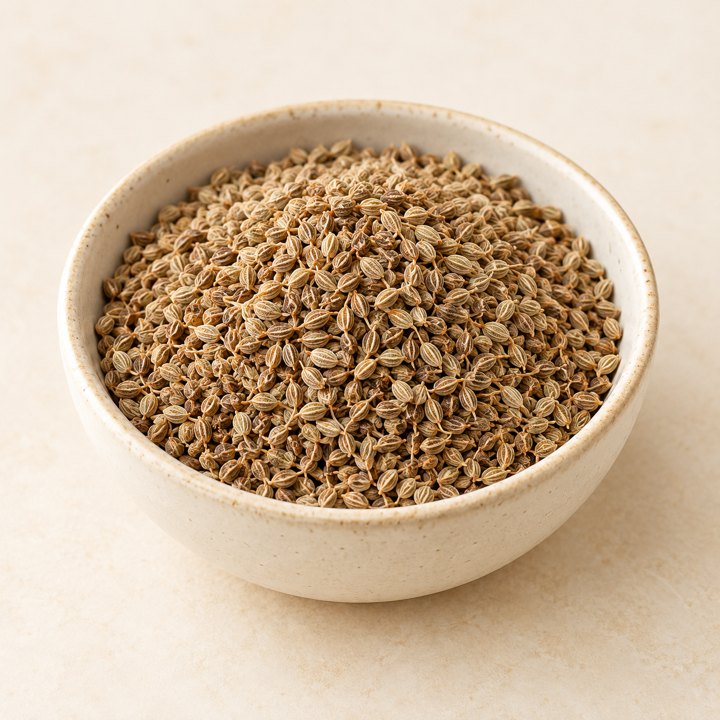
Ingredients & Spices · The complete guide
Carom seeds (Ajwain)
Carom seeds, ajwain, are the small ridged dried fruits of Trachyspermum ammi. Their strong thyme-like character is associated with thymol.
What it is and names to know
Carom seeds, ajwain, are the small ridged dried fruits of Trachyspermum ammi. Their strong thyme-like character is associated with thymol. They are neither cumin nor celery seed, despite similarities in size and appearance.
Origins, producing regions and Pakistan context
Ajwain has a longstanding South and West Asian culinary tradition. Household use alongside fried foods is historical practice, not proof of a medical digestive effect or evidence of an identifiable discoverer.
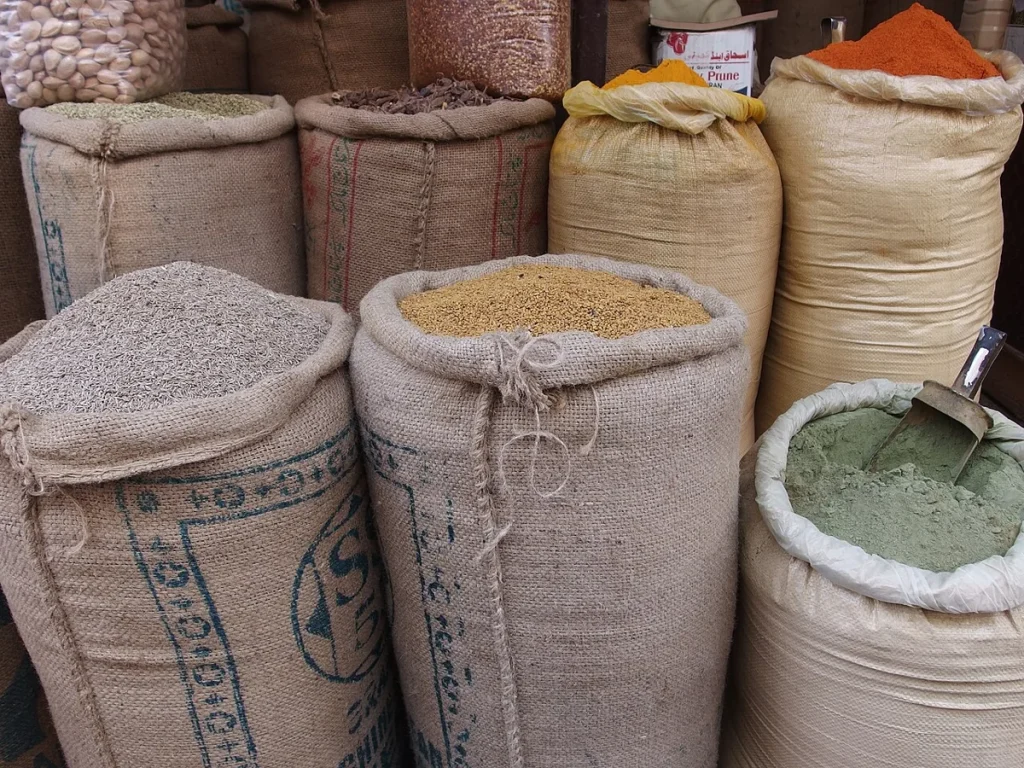
India and adjoining regional markets are established sources. In Pakistan it is a familiar spice-shop ingredient for breads, snacks and selected meat preparations. Whole and processed forms can cross borders separately: a spice may be imported, milled and repacked before sale in Pakistan. The growing countries listed here are not a claim about the direct supplier of a particular Pakistani packet.
Background: Spices Board: crop and ingredient reference.
Types and buying advice
Look for the distinctive small ridged ajwain fruits and a sharp thyme-like smell. Cumin and celery seeds are different purchases.
How to cook with it
Rub or lightly crush a small pinch into missi roti, paratha, pakora batter, fish coating or a potato filling. Whole seeds can also bloom briefly in oil at the start of a vegetable dish.
Measure conservatively: half a teaspoon can noticeably season a batch of batter or dough. Let the aroma support cumin or coriander rather than replacing them spoon for spoon.
Ajwain works best when it appears as an accent in dough or batter. Crushing a few seeds between the fingers helps distribute their fragrance, while leaving every seed whole creates more obvious concentrated bites. Prepare a tiny fried sample of pakora batter before committing the vegetables. If the result tastes medicinal, dilute with additional flour, water and the other ingredients rather than adding more chilli or baking soda to try to hide it.
Try the ingredient in Missi Roti, Chapli Kebab, Gobhi Paratha. Follow each recipes specified form and quantity, since whole pieces and fine powder season food differently.
For related pantry ingredients, see the Pakistani ingredients and spices guide.
For ajwain paratha, rub a restrained quantity into the flour before adding water. This distributes the seed more evenly than scattering it over the rolled dough. Pair it with a simple potato or yoghurt accompaniment so its flavour is easy to judge. If the dough will rest, cover it normally; adding more seed later creates unevenly seasoned patches.
Nutrition and realistic benefits
At the quantities usually used in a household dish, the main benefit is flavour rather than a large contribution of protein, vitamins or minerals. Composition tables often describe 100 grams, far more than an ordinary serving. A small seasoning quantity should not be advertised as a practical way to meet a daily mineral requirement. Aromatic food can help make simple lentils, vegetables and rice appealing, but the whole meals balance of ingredients, salt and fat still matters.
Disadvantages and precautions
Large amounts taste medicinal and bitter. Ajwain water, oil and capsules should not be promoted as harmless extensions of normal cooking or as treatment for a baby.
Dry spices are not sterile foods. FDA food-safety guidance explains practical handling. Buying from a traceable food supplier is more dependable than trying to judge safety from appearance alone.
Substitutions and storage
A little dried thyme supplies a related fragrance. Cumin is useful structurally in a savoury recipe but lacks the same sharp herbal note.
Keep in a clean, tightly closed food container in a cool dry cupboard, away from the cooker and direct sun. Whole pieces generally retain aroma better than the same spice left ground. Date the jar when opened and buy an amount you can use while fragrant. Crush a small sample periodically: fading aroma means weaker flavour, while dampness, insects or a musty smell are reasons to discard it. Never tip a wet spoon into a dry-spice jar.
Names and forms used in our recipes
View the recipe names covered by this guide
- ajwain
- ajwain (carom seeds)
- ajwain seeds
- carom seed
- carom seeds
- carom seeds (ajwain)
- crushed ajwain seeds
Frequently Asked Questions
How can I test ajwain in pakora batter?
Ajwain works best when it appears as an accent in dough or batter. Crushing a few seeds between the fingers helps distribute their fragrance, while leaving every seed whole creates more obvious concentrated bites.
What can I use instead of carom seeds?
A little dried thyme supplies a related fragrance. Cumin is useful structurally in a savoury recipe but lacks the same sharp herbal note.
What is the main caution with carom seeds?
Large amounts taste medicinal and bitter. Ajwain water, oil and capsules should not be promoted as harmless extensions of normal cooking or as treatment for a baby.
Keep Exploring
Related places and stories on DailyLife.pk

How we know this
- Type Explainer
- Sources 3 (1 official/academic)
- Reviewed November 2026
- Disputed points None
3 sources
Photo credits (1)
- Spice market @ Walled City @ Lahore (15449651456).jpg, Guilhem Vellut from Annecy, France, CC BY 2.0, via Wikimedia Commons
