
Ingredients & Spices · The complete guide
Nigella (Kalonji)
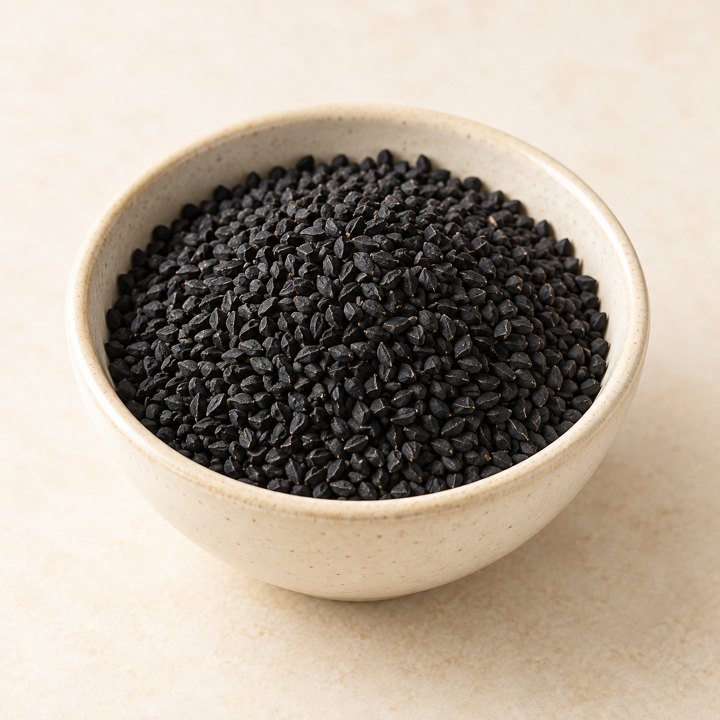
Nigella, kalonji, is the small angular black seed of Nigella sativa. It is not black sesame, onion seed or shahi jeera, although misleading common names occur on packets.
What it is and names to know
Nigella, kalonji, is the small angular black seed of Nigella sativa. It is not black sesame, onion seed or shahi jeera, although misleading common names occur on packets. It has a savoury, slightly bitter peppery character.
Origins, producing regions and Pakistan context
Kew places the species native range from parts of southeastern Europe toward Iran. Its longstanding West and South Asian food and cultural uses are distinct from modern supplement marketing.
It is cultivated across several West and South Asian regions and traded into Pakistan as a bread and pickle spice. Ask for kalonji and inspect its angular seed shape when names are unclear. Whole and processed forms can cross borders separately: a spice may be imported, milled and repacked before sale in Pakistan. The growing countries listed here are not a claim about the direct supplier of a particular Pakistani packet.
Background: Royal Botanic Gardens, Kew: plant identity and range.

Types and buying advice
Look for angular kalonji seeds, not flatter black sesame or long shahi jeera. Ask for the botanical name if a black-cumin label is ambiguous.
How to cook with it
Sprinkle over naan, mix into an achar masala, or bloom a small amount in oil for vegetables. It is also one component of some five-seed mixtures.
Use a modest pinch on a bread surface, pressing gently so the seeds adhere. Dry roasting should be brief; heavy browning adds unwanted bitterness.
On naan, a small scatter adds both appearance and concentrated savoury bites. It does not need to form a thick black crust. In a pickle spice mixture, kalonji should remain distinct from mustard and fennel rather than being confused with another black seed. Compare packets when buying: black sesame is typically flatter and gives a nuttier flavour, while shahi jeera is long and slender. Common-name confusion is a practical cooking problem, not just a botanical detail.
Try the ingredient in Kaddu Sabzi, Kalonji Naan, Achari Chicken Karahi. Follow each recipes specified form and quantity, since whole pieces and fine powder season food differently.
For related pantry ingredients, see the Pakistani ingredients and spices guide.
For a bread topping, moisten the surface as the recipe directs before scattering seed so it adheres rather than falling away after baking. In a vegetable dish, use a modest amount in the tempering and let other ingredients supply the bulk of the seasoning. Its bitterness should remain a small accent, not the dominant flavour.
Nutrition and realistic benefits
At the quantities usually used in a household dish, the main benefit is flavour rather than a large contribution of protein, vitamins or minerals. Composition tables often describe 100 grams, far more than an ordinary serving. A small seasoning quantity should not be advertised as a practical way to meet a daily mineral requirement. Aromatic food can help make simple lentils, vegetables and rice appealing, but the whole meals balance of ingredients, salt and fat still matters.
Disadvantages and precautions
Black-seed oil and capsules are concentrated products with separate safety questions. Cultural claims about the seed should not be written as evidence that a food portion cures disease.
Dry spices are not sterile foods. FDA food-safety guidance explains practical handling. Buying from a traceable food supplier is more dependable than trying to judge safety from appearance alone.
Substitutions and storage
Black sesame gives a visual replacement on bread but tastes nuttier. Cumin changes both appearance and aroma and is not a direct botanical substitute.
Keep in a clean, tightly closed food container in a cool dry cupboard, away from the cooker and direct sun. Whole pieces generally retain aroma better than the same spice left ground. Date the jar when opened and buy an amount you can use while fragrant. Crush a small sample periodically: fading aroma means weaker flavour, while dampness, insects or a musty smell are reasons to discard it. Never tip a wet spoon into a dry-spice jar.
Names and forms used in our recipes
View the recipe names covered by this guide
- nigella seed
- nigella seeds
- nigella seeds (kalonji)
- nigella/kalonji seeds
Frequently Asked Questions
How much kalonji belongs on naan?
On naan, a small scatter adds both appearance and concentrated savoury bites. It does not need to form a thick black crust.
What can I use instead of nigella?
Black sesame gives a visual replacement on bread but tastes nuttier. Cumin changes both appearance and aroma and is not a direct botanical substitute.
What is the main caution with nigella?
Black-seed oil and capsules are concentrated products with separate safety questions. Cultural claims about the seed should not be written as evidence that a food portion cures disease.
Keep Exploring
Related places and stories on DailyLife.pk

How we know this
- Type Explainer
- Sources 3 (1 official/academic)
- Reviewed November 2026
- Disputed points None
3 sources
Photo credits (1)
- Spice market @ Walled City @ Lahore (15449651456).jpg, Guilhem Vellut from Annecy, France, CC BY 2.0, via Wikimedia Commons
