
Ingredients & Spices · The complete guide
Oregano
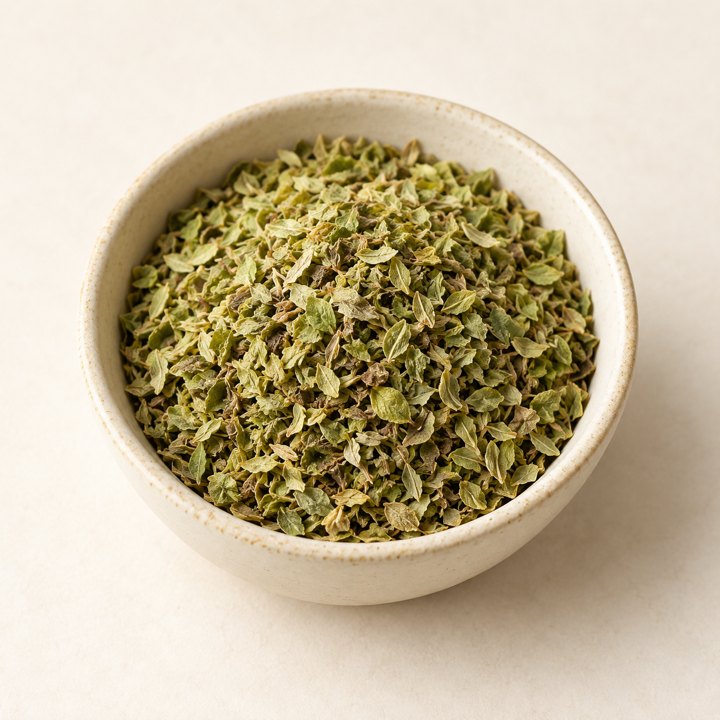
Oregano commonly means Origanum vulgare, a pungent leafy herb. Mediterranean oregano and Mexican oregano, often Lippia graveolens, are different plants.
What it is and names to know
Oregano commonly means Origanum vulgare, a pungent leafy herb. Mediterranean oregano and Mexican oregano, often Lippia graveolens, are different plants. Pakistani pizza seasoning may also be a mixed herb product rather than pure oregano.
Origins, producing regions and Pakistan context
Mediterranean oregano has longstanding regional food and herb use. Its worldwide pizza association is a later culinary development and should not be confused with the first use of the plant.
Turkey, Greece and other Mediterranean areas are established suppliers of dried herbs, while oregano is grown elsewhere too. In Pakistan dried labelled packs are more usual than fresh bunches. CBI describes Türkiye as a producer and exporter, with Greece, Albania and Egypt among alternative supplying origins. European herb importers clean, cut, blend and repack material, so a European retail brand is not necessarily the growing origin.
Background: Spices Board: crop and ingredient reference.
Trade context: CBI: spice production and trade context.

Types and buying advice
Check Mediterranean oregano against Mexican oregano and mixed pizza herbs. They are not identical in botanical identity or flavour.
How to cook with it
Rub a little into tomato sauce, pizza topping, grilled chicken or a lemon-and-oil marinade. Dried oregano tolerates simmering, but a large last-minute handful can taste dusty and bitter.
Use a small amount first and give it time to hydrate in the sauce. If a packet says pizza herbs, check for basil, thyme, chilli and added salt.
In tomato sauce, a modest early addition can hydrate and integrate; a late pinch gives a more obvious dried-herb scent. Too much can make the sauce taste medicinal rather than fresh. For a pizza, consider the herbs already present in a premixed seasoning before adding pure oregano. If buying Mexican oregano for another cuisine, label it separately. Its different botanical origin matters to flavour even though both products carry the same familiar English word.
Try the ingredient in Chicken Tikka Pizza. Follow each recipes specified form and quantity, since whole pieces and fine powder season food differently.
For related pantry ingredients, see the Pakistani ingredients and spices guide.
For a simple lemon-herb chicken marinade, rub a small amount of dried oregano between the fingers before mixing with the other ingredients. Allow the herb to hydrate rather than coating the food with a thick dry layer. In a tomato sauce, simmering integrates the aroma, while a little final addition makes the herbal note more noticeable.
Nutrition and realistic benefits
Drying removes water, so dried leaves can appear nutrient-dense in tables expressed per 100 grams. Actual servings are usually small, and that comparison does not mean a pinch supplies the nutrition of a bowl of fresh greens. Use the herb primarily for aroma and variety. It can make a simple soup, yoghurt sauce or vegetable dish more enjoyable, but it is not a substitute for vegetables, prescribed treatment or a balanced diet.
Disadvantages and precautions
Oregano oil is highly concentrated and should not be substituted for dried leaves. Claims about antimicrobial laboratory activity do not establish that a herb-seasoned meal treats an infection.
Dry spices are not sterile foods. FDA food-safety guidance explains practical handling. Buying from a traceable food supplier is more dependable than trying to judge safety from appearance alone.
Substitutions and storage
Marjoram is gentler and sweeter. Thyme can give a useful savoury direction; ajwain is stronger and not a like-for-like replacement.
Keep dried leaves tightly closed, cool, dark and completely dry. Crumble only the amount needed so the rest retains more aroma. Avoid a shelf above the hob, where repeated heat and steam shorten quality. A faded colour is not by itself a safety test, but weak fragrance suggests the herb will disappoint. Mustiness, visible mould or damp clumps are reasons to discard the product. Do not mix a fresh refill into an old jar without first cleaning and drying it.
Names and forms used in our recipes
View the recipe names covered by this guide
- dried oregano
Frequently Asked Questions
When should dried oregano enter a tomato sauce?
In tomato sauce, a modest early addition can hydrate and integrate; a late pinch gives a more obvious dried-herb scent. Too much can make the sauce taste medicinal rather than fresh.
What can I use instead of oregano?
Marjoram is gentler and sweeter. Thyme can give a useful savoury direction; ajwain is stronger and not a like-for-like replacement.
What is the main caution with oregano?
Oregano oil is highly concentrated and should not be substituted for dried leaves. Claims about antimicrobial laboratory activity do not establish that a herb-seasoned meal treats an infection.
Keep Exploring
Related places and stories on DailyLife.pk

How we know this
- Type Explainer
- Sources 4 (1 official/academic)
- Reviewed November 2026
- Disputed points None
4 sources
Photo credits (1)
- I-11 Sabze Mande, Islamabad.jpg, Pakieditor, CC BY-SA 4.0, via Wikimedia Commons
