
Ingredients & Spices · The complete guide
Lemon (Lemon / nimbu)
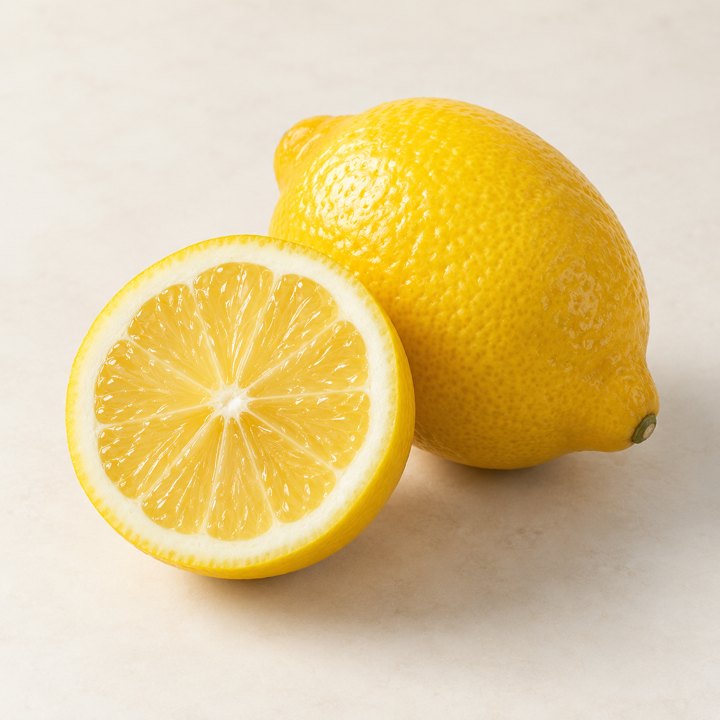
Lemon is Citrus lemon hybrids, usually called leemoo or nimbu; local names can overlap with lime. Its eating character is bright acidity and aromatic rind oils; white pith is bitter.
What is lemon? Names, flavour and types
Lemon is Citrus lemon hybrids, usually called leemoo or nimbu; local names can overlap with lime. Its eating character is bright acidity and aromatic rind oils; white pith is bitter.
The main forms to recognise are thick-skinned lemons, thinner-skinned juicy types and sweet Meyer-type hybrids. Choose the form and ripeness specified by the recipe.
Origins, cultivation and the Pakistan market
An Asian citrus hybrid with citron ancestry; long movement through western Asia and the Mediterranean preceded global cultivation. The relevant botanical or crop background is documented in Kew — Citrus × limon.
Growing conditions and producing countries: Subtropical orchard crop; India, China, Argentina, Spain and Türkiye cultivate lemon and lime types. Sold year-round with seasonal variation; the market word nimbu alone may not identify the botanical fruit. Fresh citrus and concentrated juice are different products, with different handling needs and flavour. A fruit may be suitable for juicing even if its rind is cosmetically imperfect, provided there is no decay. Kinnow, sweet orange, grapefruit, lemon and lime should remain distinct on an accurate shopping list.

How to prepare, cook and substitute it
Roll gently before cutting for easier juicing. Use finely grated coloured zest without white pith; add juice toward the end when a fresh tang is wanted
For a bright finishing tang, add it after the main cooking and taste before serving. If the recipe deliberately cooks lemon into a marinade or sauce, follow that earlier timing instead. Acid can make dairy-based sauces behave differently, so mix gently and avoid indiscriminate additions to a vigorously boiling creamy pan. Juice and zest are separate seasonings: one supplies acidity, the other mainly aroma. If only a little is needed, freeze spare juice in measured portions rather than letting cut halves dry out.
A recipe asking for juice and one asking for zest are using different parts of the fruit. Strain juice to remove seeds; grate only the coloured outer rind when a clean aroma is wanted. White pith and crushed seeds can introduce unwanted bitterness. Add acidic juice gradually and taste after mixing, especially in yogurt, cream or a drink with added sugar. For a sauce, decide whether the citrus should cook into the base or remain a fresh finishing note. These choices produce noticeably different results even at the same quantity.
A useful starting substitute is lime juice by taste, or vinegar for acidity where a citrus aroma is unnecessary. Adjust the recipe for the replacement’s texture and moisture.
Buying and storing it well
Look for heavy sound fruit with fresh rind, avoiding dried lightweight specimens. Buy an amount that can be used while its texture is still suitable for the intended dish. Trim away ordinary damaged portions where appropriate, but reject a product showing active decay or an abnormal smell rather than hiding it in a strongly spiced preparation.
For storage, refrigerate for longer keeping; store cut halves covered; freeze measured juice portions. Keep prepared portions separate from unwashed produce and raw animal foods. Use a clean covered container for cut or cooked food, and label frozen portions so the oldest batch is used first. The condition at purchase, kitchen temperature and packaging all affect keeping quality; a fixed number of days is not a guarantee of safety.
Nutrition, benefits and practical cautions
The nutritional contribution is vitamin C, but garnish-sized amounts contribute less than a full fruit serving. USDA FoodData Central distinguishes raw, cooked, dried and processed forms. Recipe totals must also account for added oil, cream, sugar or syrup.
Acid can aggravate reflux or erode teeth with frequent exposure; lemon does not sterilise raw meat. Its role in a balanced meal depends on portion size and preparation. Whole foods and concentrated supplements are different products and should not be treated as interchangeable.
Recipes using lemon
Use the linked recipes to match preparation to the finished dish. Check whether the ingredient quantity means whole purchased weight, peeled edible weight, drained weight or a cooked portion before shopping. This is especially helpful when a recipe needs a thick filling or a carefully balanced drink.
- Chicken Biryani
- Achari Chicken Karahi
- Aloo Bhujia
- Grilled Lamb Chops
- Chicken Karahi
- Haleem
- Aloo Methi
- Bharwan Bhindi
- Daal Mash
- Moth Daal
- Sindhi Biryani
For related Urdu names, pantry ingredients and cooking combinations, see the Pakistani ingredients and spices guide.
Names and forms used in our recipes
View the recipe names covered by this guide
- fresh lemon juice
- lemon
- lemon juice
- lemon juice (optional)
- lemon juice, optional
- lemon juice, optional finish
- lemon wedges
- lemon wedges, edible flesh
- lemon zest
- lemon, thinly sliced
- lemons
Frequently Asked Questions
When should lemon juice be added to a curry?
For a bright finishing tang, add it after the main cooking and taste before serving. If the recipe deliberately cooks lemon into a marinade or sauce, follow that earlier timing instead. Acid can make dairy-based sauces behave differently, so mix gently and avoid indiscriminate additions to a vigorously boiling creamy pan. Juice and zest are separate seasonings: one supplies acidity, the other mainly aroma. If only a little is needed, freeze spare juice in measured portions rather than letting cut halves dry out.
How should I store lemon?
Refrigerate for longer keeping; store cut halves covered; freeze measured juice portions.
What should I consider before serving lemon?
Acid can aggravate reflux or erode teeth with frequent exposure; lemon does not sterilise raw meat.
Keep Exploring
Related places and stories on DailyLife.pk

How we know this
- Type Explainer
- Sources 4 (2 official/academic)
- Reviewed November 2026
- Disputed points None
4 sources
Photo credits (1)
- I-11 Sabze Mande, Islamabad.jpg, Pakieditor, CC BY-SA 4.0, via Wikimedia Commons
