
Ingredients & Spices · The complete guide
Salt (Namak)
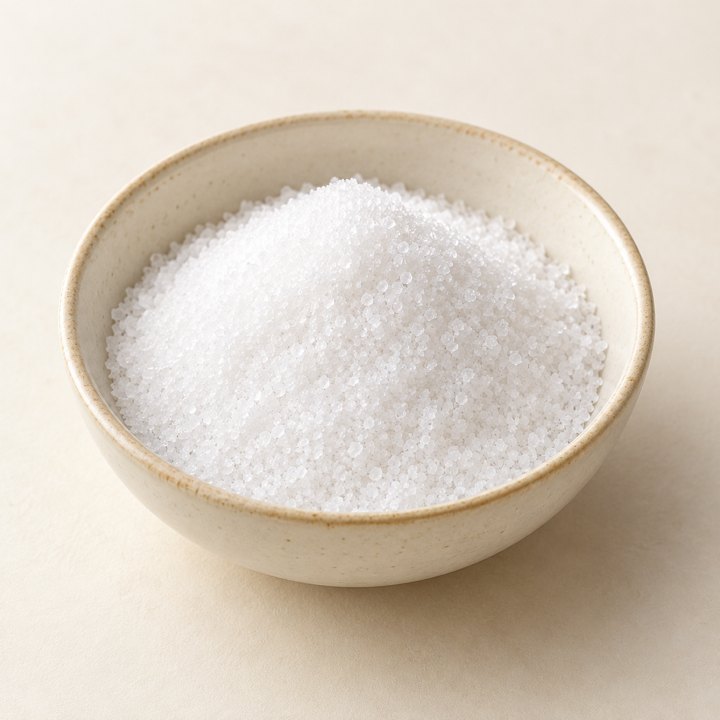
Salt, namak, is principally sodium chloride. Fine table salt, coarse crystals, rock salt and sea salt vary in texture and density.
What it is and names to know
Salt, namak, is principally sodium chloride. Fine table salt, coarse crystals, rock salt and sea salt vary in texture and density. Iodized salt contains added iodine; pink colour or mineral marketing does not guarantee useful iodine content.
Origins, producing regions and Pakistan context
Salt has been gathered, mined and used for food preservation for millennia in many cultures. It is a mineral food ingredient, not a plant spice, and there is no single discoverer.
Pakistan mines rock salt, notably in the Salt Range, and also has salt-processing businesses. Many countries produce sea or mined salt. Mining origin, refining and iodization are separate quality details.
Background: WHO: sodium reduction guidance.
Trade context: Pakistan Mineral Development Corporation: salt mining.
Types and buying advice
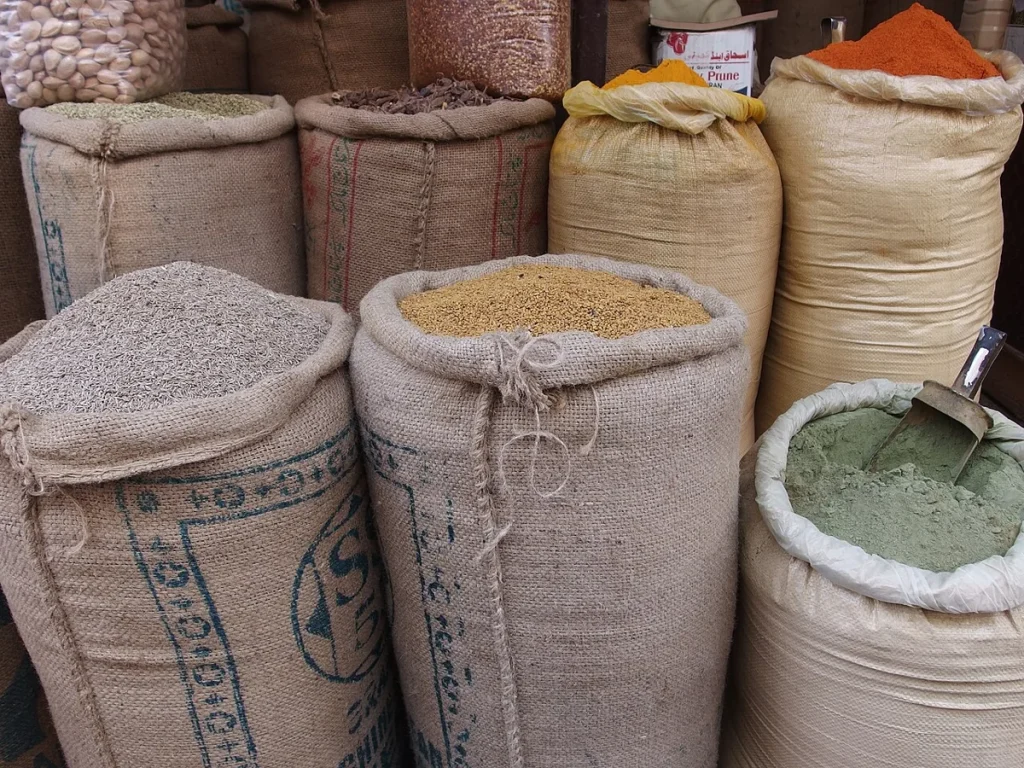
Check iodization, sodium-related labelling and crystal size. Pink, sea and ordinary cooking salts should not be assumed nutritionally different in a useful way.
How to cook with it
Season cooking water, curry bases and dough gradually. Weight is more dependable than spoon volume when switching between fine and coarse salt, especially in baking or preserving.
Taste after reducing a sauce because evaporation concentrates salt. Account for stock cubes, soy sauce, salted butter, masala blends and pickles before adding extra namak.
Fine salt packs more densely into a spoon than many coarse crystals. A recipe tested by volume can therefore change when the salt type changes; weighing is especially helpful for dough and controlled seasoning. For ordinary cooking, add in stages and taste the finished food rather than assuming the starting quantity remains ideal after reduction. Preserving recipes need their own tested proportions. Do not reduce salt in a shelf-stable pickle by guesswork based only on a general recommendation to eat less.
Try the ingredient in Chapli Kebab, Aloo Paratha, Chicken Biryani. Follow each recipes specified form and quantity, since whole pieces and fine powder season food differently.
For related pantry ingredients, see the Pakistani ingredients and spices guide.
When preparing rice and a separately seasoned meat or vegetable masala, consider their combined serving rather than salting each component as though it will be eaten alone. Drained rice water removes some salt, while an absorbed cooking liquid keeps what was added. A stock cube or commercial masala introduces another source. For an oversalted sauce, adding an unseasoned portion of the original base genuinely dilutes salt; a potato left in the pot does not selectively extract it. Recheck the consistency after dilution, and reduce carefully because evaporation can concentrate salt again. Acidity may brighten flavour but cannot remove sodium.
Nutrition and realistic benefits
Sodium is an essential nutrient, but ordinary diets can readily supply more than needed. The important household question is total sodium from all foods and seasonings, not whether a salt looks natural or contains coloured mineral traces. Iodized salt supplies iodine when appropriately fortified; this is a separate property from its sodium content. Reducing excessive salt does not require making food bland: acidity, aromatics, fresh herbs and careful browning can all contribute flavour.
Disadvantages and precautions
WHO recommends adults consume less than 5 grams of salt daily from all sources. Sea and pink salts still supply sodium; routine use should favour appropriately iodized salt without increasing total intake.
Substitutions and storage
Herbs, spices and lemon can help flavour food with less salt. Potassium-based lower-sodium salts need individual suitability checks, especially for people told to restrict potassium.
Keep salt dry and covered in a food-safe container, with a clean dry spoon. Fine crystals clump when exposed to steam; a jar beside a boiling pan is inconvenient even though dry salt keeps well. Keep iodized salt protected from dampness and follow the manufacturers storage advice. Store flavoured salts according to all their ingredients, since moist fresh additions change their keeping properties. Label any decanted product so iodized salt and speciality finishing salts do not become confused.
Names and forms used in our recipes
View the recipe names covered by this guide
- cooking salt
- fine salt
- fine salt for dal
- fine salt for filling
- fine salt for rice
- fine salt for sweating radish
- fine salt, total
- pinch of salt
- salt
- salt added to boiling rice water
- salt for boiling rice
- salt for boiling rice water
- salt for chicken masala
- salt for cooking
- salt for large-volume rice water
- salt for masala
- salt for meat masala
- salt for optional bitter-gourd pretreatment
- salt for optional karela pretreatment
- salt for optional pretreatment
- salt for parboiling water
- salt for rice boiling water
- salt for rice water
- salt for the masala
- salt, adjust after tasting
Frequently Asked Questions
Can I switch fine and coarse salt by spoonful?
Fine salt packs more densely into a spoon than many coarse crystals. A recipe tested by volume can therefore change when the salt type changes; weighing is especially helpful for dough and controlled seasoning.
What can I use instead of salt?
Herbs, spices and lemon can help flavour food with less salt. Potassium-based lower-sodium salts need individual suitability checks, especially for people told to restrict potassium.
What is the main caution with salt?
WHO recommends adults consume less than 5 grams of salt daily from all sources. Sea and pink salts still supply sodium; routine use should favour appropriately iodized salt without increasing total intake.
Keep Exploring
Related places and stories on DailyLife.pk

How we know this
- Type Explainer
- Sources 3 (3 official/academic)
- Reviewed November 2026
- Disputed points None
3 sources
Photo credits (1)
- Spice market @ Walled City @ Lahore (15449651456).jpg, Guilhem Vellut from Annecy, France, CC BY 2.0, via Wikimedia Commons
