
City guide
Wah Cantonment: Mughal Springs and an Ordnance Town
A planned garrison and factory town on the Grand Trunk Road north-west of Islamabad, named, so the story goes, by an admiring Mughal emperor, with Taxila's Gandhara ruins next door.
- Rawalpindi District, Taxila Tehsil
- Mughal Wah Gardens
- Pakistan Ordnance Factories
- Next to Taxila
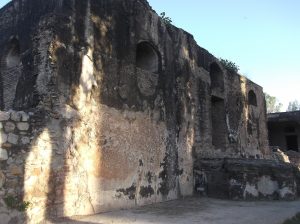
Wah Mughal Gardens, Wah
Wah Cantonment at a Glance
About Wah Cantonment
Wah Cantonment, usually just Wah Cantt, sits on the Grand Trunk Road in Taxila Tehsil of Rawalpindi District, about 30 km north-west of the Islamabad–Rawalpindi conurbation. It forms a twin town with Taxila, whose Gandhara ruins are a UNESCO World Heritage Site, and lies a short drive from the Sikh pilgrimage town of Hasan Abdal.
The place was once a village called Jalal Sar. Tradition holds that the Mughal emperor Jahangir, camping here on 29 April 1607, exclaimed "Wah!" ("wonderful") at its clear springs, and the name stuck. The springs fed the Wah Gardens, laid out under Raja Man Singh in Akbar's reign and rebuilt for Shah Jahan.
Modern Wah is a creation of the 20th century. A cement works opened in 1921, and in December 1951 four ordnance workshops were inaugurated, the start of the Pakistan Ordnance Factories (POF) complex that still dominates the town. The 2023 Census counted 400,733 people in the city. Wah is a planned, green and orderly place, proud of its schools and colleges, including COMSATS University's Wah campus, the University of Wah and Wah Medical College.
Places to Visit
Mughal water gardens, a Suri stepwell and two thousand years of Gandhara on the doorstep.
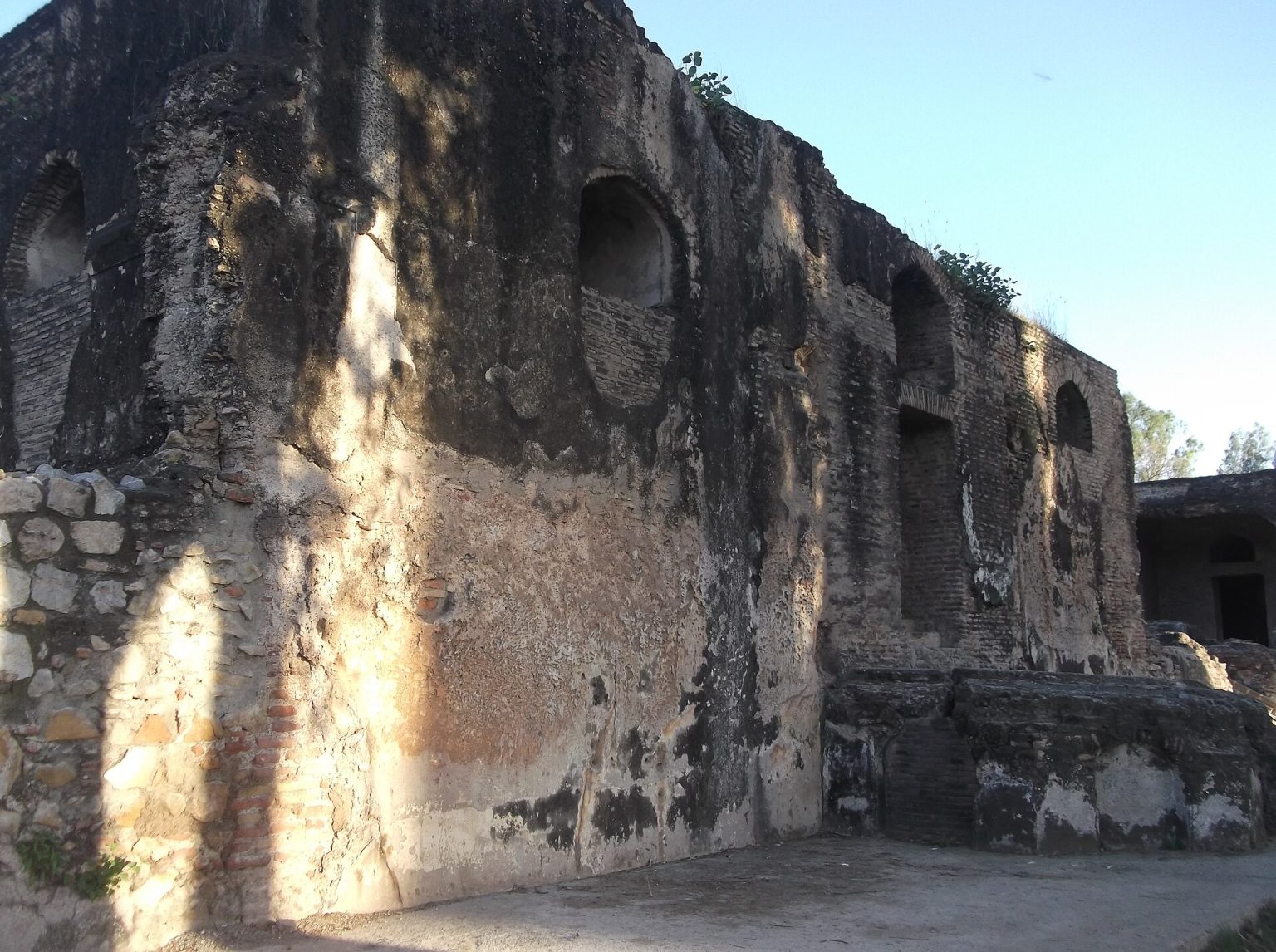
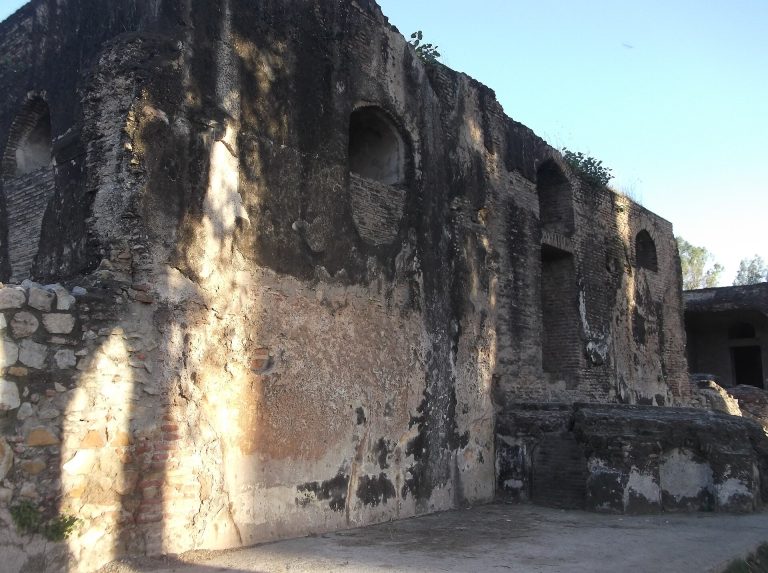 Wah Mughal GardensTerraced gardens with a large pool, water channels, twelve-door pavilions (baradaris) and the remains of a bath house, begun under Raja Man Singh and rebuilt for Shah Jahan from 1639. The Department of Archaeology has been restoring them.
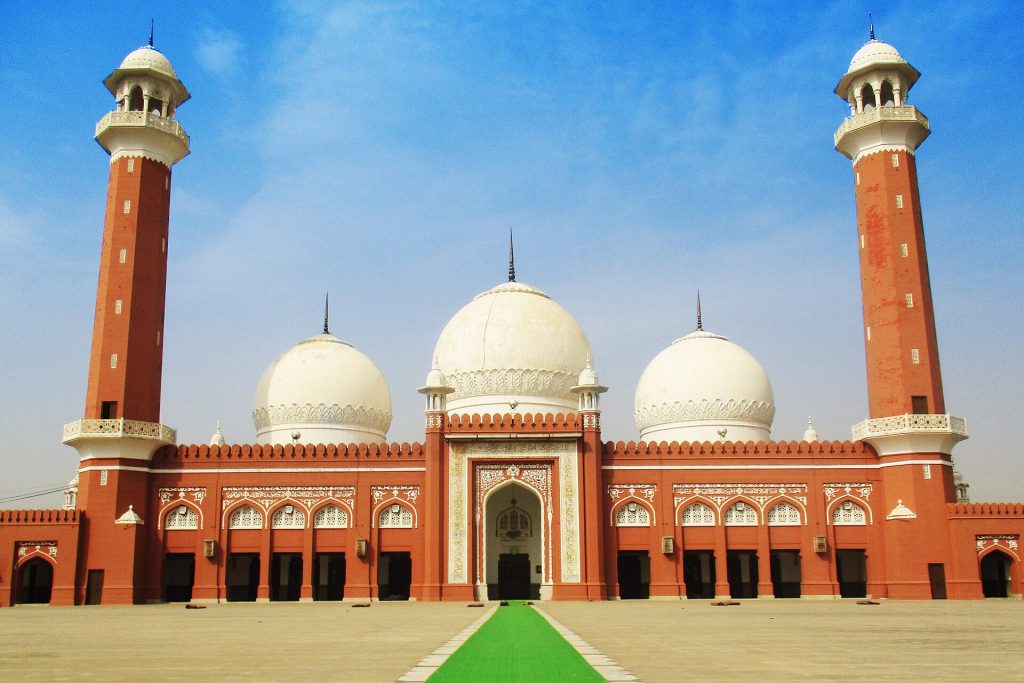
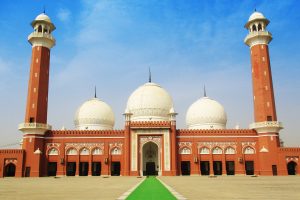
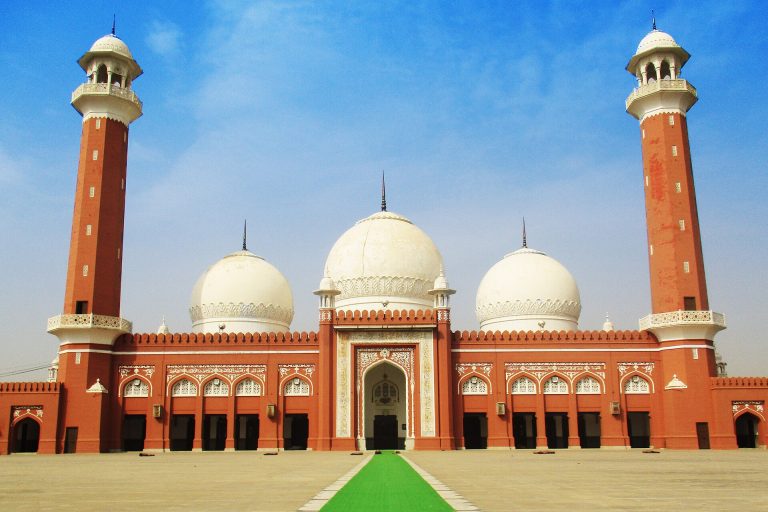 Markazi Jamia MasjidThe town's central mosque on Quaid Avenue, inaugurated on 5 April 1959 and built in a Mughal-inspired style.
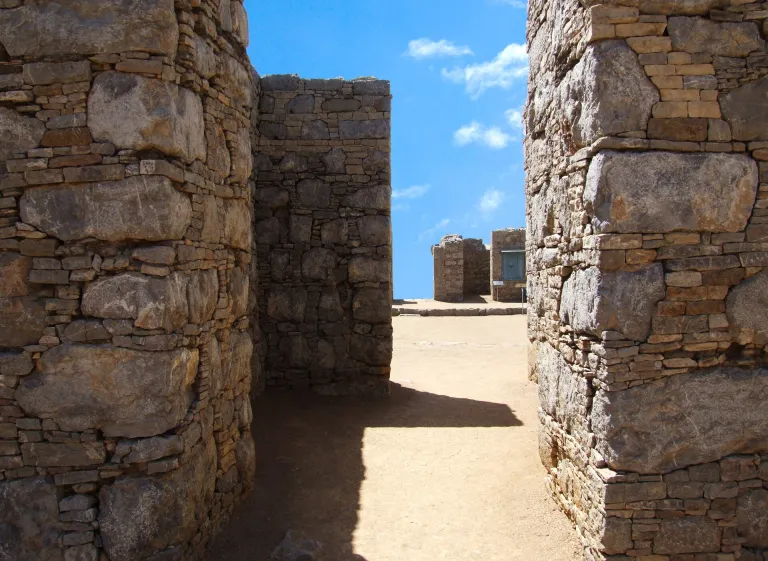 Taxila Museum and Gandhara sitesNext door in Taxila: the museum, the city ruins of Sirkap, and the monasteries and stupas of Jaulian, Dharmarajika and Mohra Muradu.
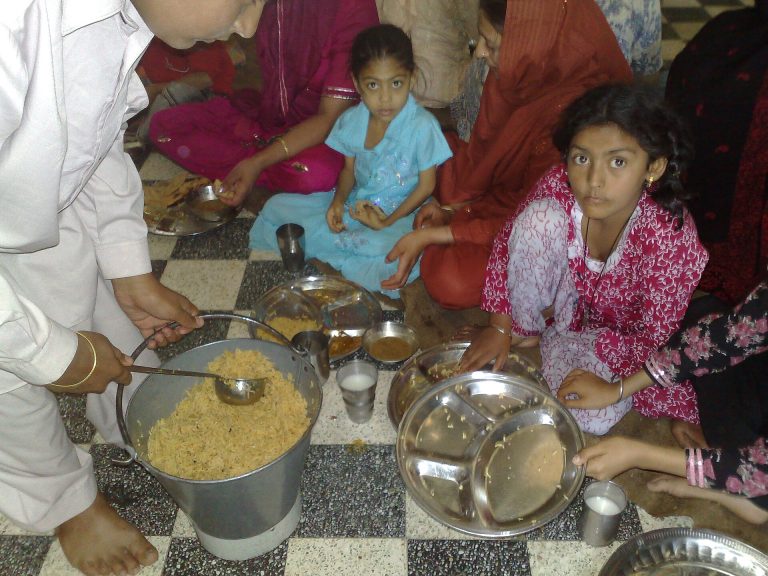 Gurdwara Panja Sahib, Hasan AbdalOne of the most important Sikh shrines, with a rock said to bear Guru Nanak's handprint, a short drive north-west on the GT Road.
Food
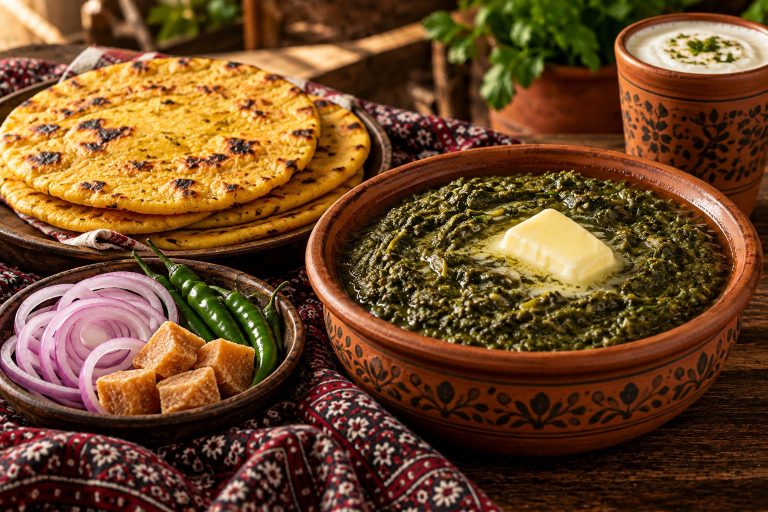
Pothohari and frontier flavours meet on the GT Road.

A Short History
1580s
Raja Man Singh's garden
Akbar's general Raja Man Singh, posted here in the 1580s, builds a pond and pavilion on the Lahore–Kashmir route.
1607
"Wah!"
Jahangir stays on 29 April 1607; tradition credits him with the name Wah.
1639
Shah Jahan rebuilds
Shah Jahan orders the gardens reconstructed under the architect Ustad Ahmad Lahori.
1865
Hayat family
The British hand the gardens to Nawab Muhammad Hayat Khan, whose family is long associated with Wah.
1921
Cement works
The Associated Cement Company opens a plant at Wah.
1951
Ordnance town
Four ordnance workshops are inaugurated in December 1951 and the town becomes Wah Cantonment.
Getting There & Around
By air
Islamabad International Airport
The nearest airport, serving domestic and international flights; continue by road.
By road
Grand Trunk Road (N-5)
Wah lies on the GT Road between Rawalpindi and Peshawar; the M-1 motorway passes nearby at Hasan Abdal.
By rail
Main Line 1
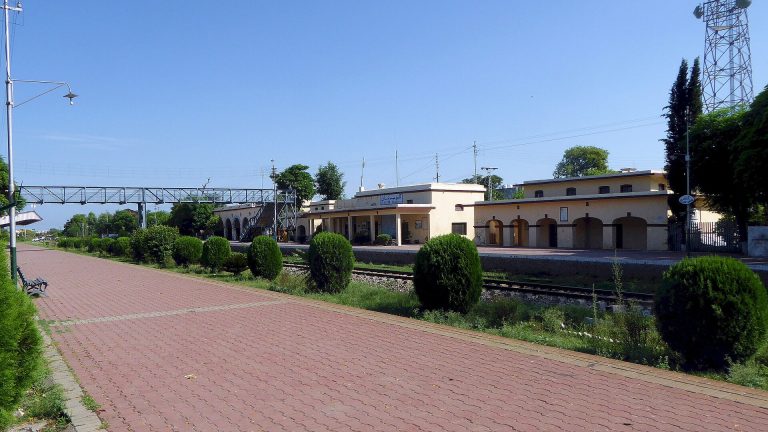
Wah has stations on the Karachi–Peshawar main line; Wah station opened in 1909.
Around town
Rickshaws and ride-hailing
Wah's sectors are spread out; use rickshaws, vans or ride-hailing cars. Parts of the ordnance area are restricted.
Frequently Asked Questions
Why is it called Wah?
Tradition says Emperor Jahangir exclaimed "Wah!" at the beauty of the springs when he camped here in April 1607. The village had earlier been called Jalal Sar.
What is the population of Wah Cantonment?
The 2023 Census counted 400,733 people in Wah Cantonment city. Rawalpindi District as a whole had 6,118,911.
Can visitors enter the ordnance factories?
No. The Pakistan Ordnance Factories are a defence establishment; respect signs and do not photograph restricted areas.
How close is Taxila?
Wah and Taxila are twin towns; the Taxila Museum and Gandhara sites make an easy half-day trip.
Keep Exploring
Related places and stories on DailyLife.pk
 TaxilaVisit Taxila: Dharmarajika stupa, Jaulian monastery, Sirkap and Taxila Museum.
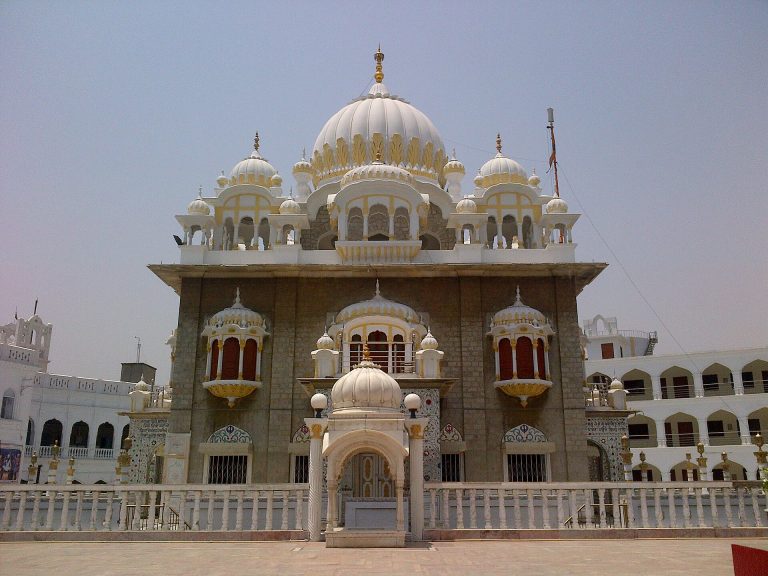 Hasan AbdalHasan Abdal guide: Gurdwara Panja Sahib, Wah Mughal Gardens, Lala Rukh's tomb, Cadet College, Taxila nearby
 RawalpindiRawalpindi guide: Raja Bazaar, Saddar, the Army Museum, history from the Gakhars to 1959, food
 IslamabadIslamabad travel guide: Faisal Mosque, Pakistan Monument, Margalla Hills trails, Saidpur, markets, sectors, Metrobus
 Gujar KhanGujar Khan city guide: Pothohar plateau, the Land of Martyrs, Rawat Fort, Rohtas, Mankiala nearby, history
 The Mughal EraThe Mughal Empire in Pakistan: Babur to Aurangzeb, Lahore Fort, Shalamar Gardens
How we know this
- Type Place guide
- Sources 6 (1 official/academic)
- Reviewed October 2026
- Disputed points None
6 sources
- List of cities in Pakistan by population (2023 Census figures, compiled from PBS and citypopulation.de), Wikipedia
- Table 1: Area, population by sex, sex ratio, density, urban proportion: Punjab districts (Census 2023), Pakistan Bureau of Statistics
- Wah Cantonment, Wikipedia
- Wah Gardens, Wikipedia
- The Roads Beyond Lahore: Wah, Mughal Gardens (mughalgardens.org)
- About Wah Cantt, wahcantt.com
Photo credits (6)
- Baradari of Wah Mughal Gardens.jpg, Mobeen ur Rehman, CC BY-SA 4.0, via Wikimedia Commons
- Central Mosque (Markai Jamia Masjid), Wah Cantt.jpg, Alihassan1990, CC BY-SA 4.0, via Wikimedia Commons
- Jaulian taxila.jpg, Amjad Sheikh, CC BY-SA 3.0, via Wikimedia Commons
- Gudwara Panja Sahib - Flickr - Al Jazeera English.jpg, Al Jazeera English, CC BY-SA 2.0, via Wikimedia Commons
- Sarson Ka Saag (illustration), DailyLife.pk, Illustrative image
- Chapli Kebab (illustration), DailyLife.pk, Illustrative image
