
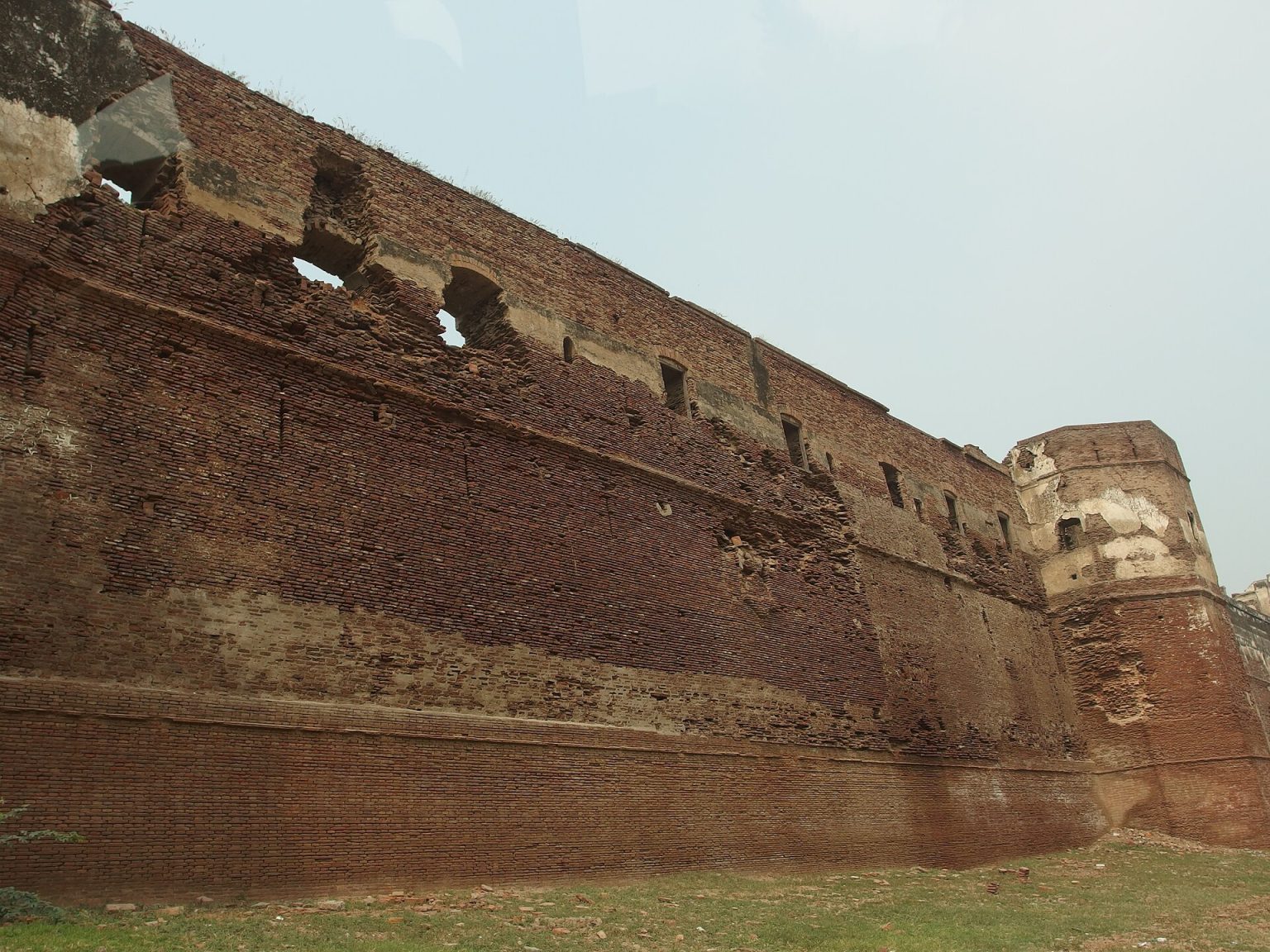
City guide
Sheikhupura: Jahangir's Hunting Ground
An industrial city just north-west of Lahore, founded by the Mughal emperor Jahangir and home to Hiran Minar, the tower he raised for a favourite deer.
- Central Punjab, north-west of Lahore
- Hiran Minar
- Industrial satellite of Lahore
- Best season: October–March
Hiran Minar water tank and pavilion, Sheikhupura
Sheikhupura at a Glance
About Sheikhupura
Sheikhupura lies about 38 km north-west of Lahore on the alluvial plain known as the Bar, watered by the Chenab canal system. It began as a royal retreat: the Mughal emperor Jahangir founded it in 1607 on what was then a hunting ground, and the city's name comes from Shekhu, his childhood nickname. Jahangir's own memoirs call it Jahangirpura.
The 2023 Census counted 591,424 people in Sheikhupura city and 4,049,418 in Sheikhupura District, which covers 3,744 km². Close to Lahore and well connected by road and rail, the city has become an industrial centre producing food products and textiles, and new industrial estates continue to grow along its highways.
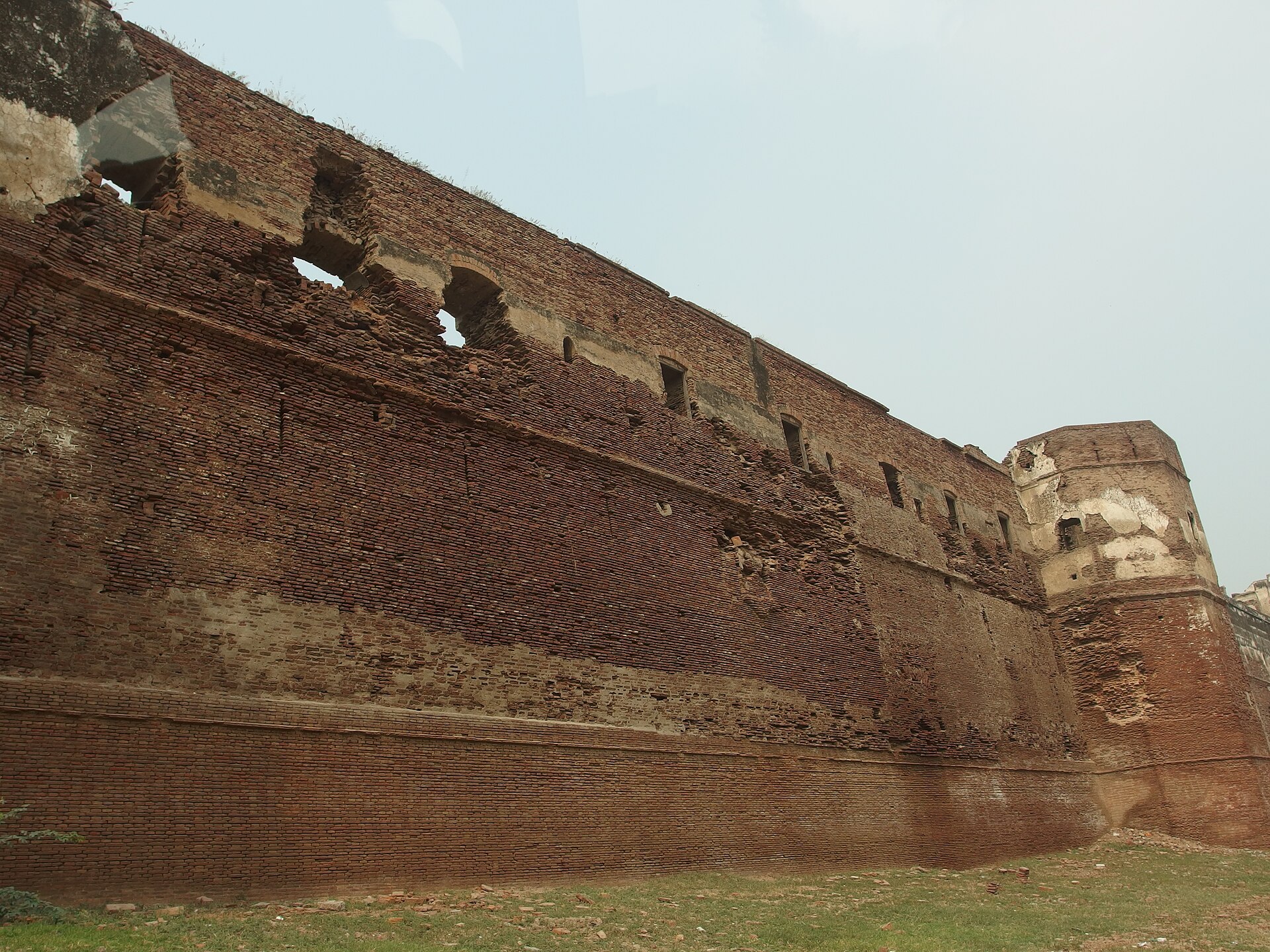
Most visitors come for two Mughal monuments. In the centre of the old town stands the fort Jahangir completed in 1619, later a residence of one of Maharaja Ranjit Singh's queens. Outside the city is Hiran Minar, the tower Jahangir built for his beloved deer, Mansraj, beside a great water tank with an island pavilion, one of the most graceful Mughal landscapes in Pakistan.
Few emperors have left a monument to a pet; Jahangir left a whole landscape.
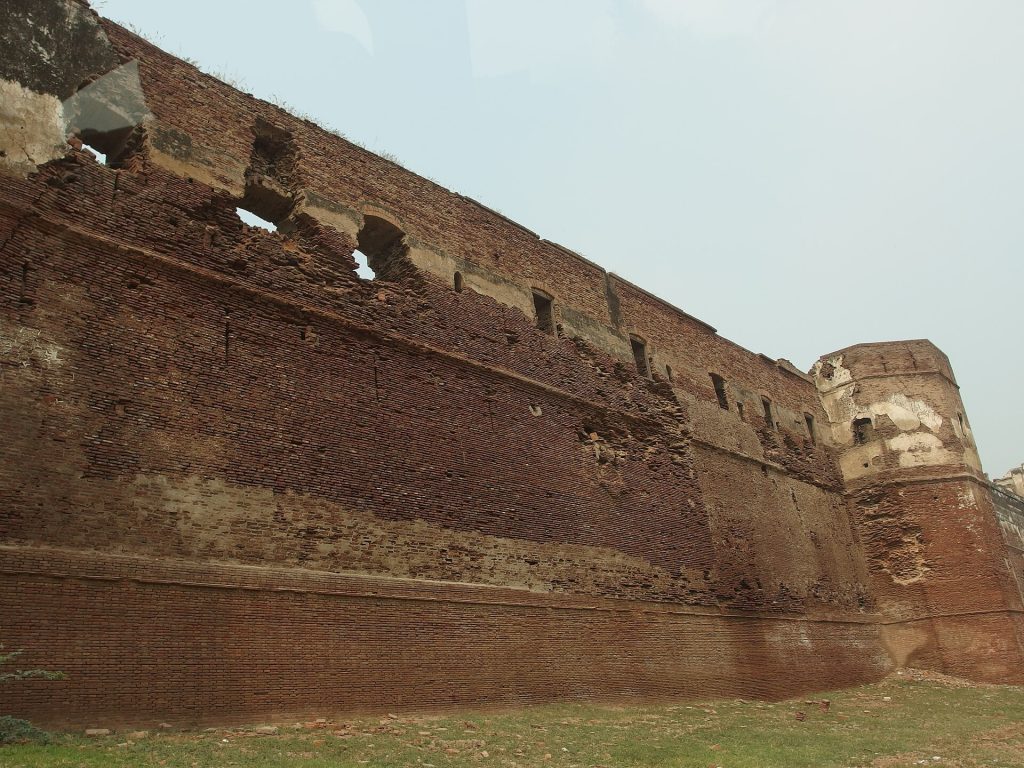
Things to See in Sheikhupura
A deer's memorial, an emperor's fort and a saint's shrine.
 Hiran MinarA minaret built between 1607 and 1620 in memory of Jahangir's deer, Mansraj, about 2.5 miles north-east of the city. Causeways lead across a large square tank to an octagonal pavilion in the water.
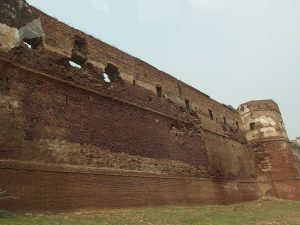
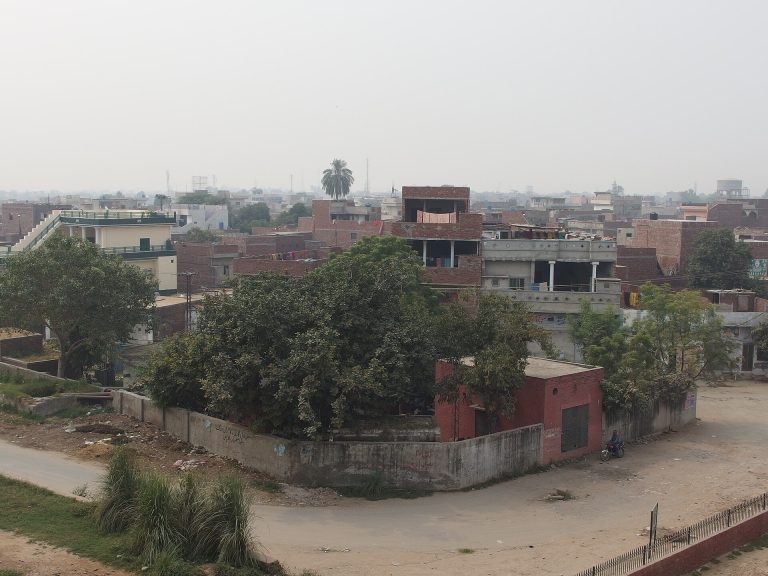 Sheikhupura FortA five-storey brick fort completed in 1619, with lattice screens letting in light and painted rooms inside. It stands in the south-west of the old city with its main entrance to the west.
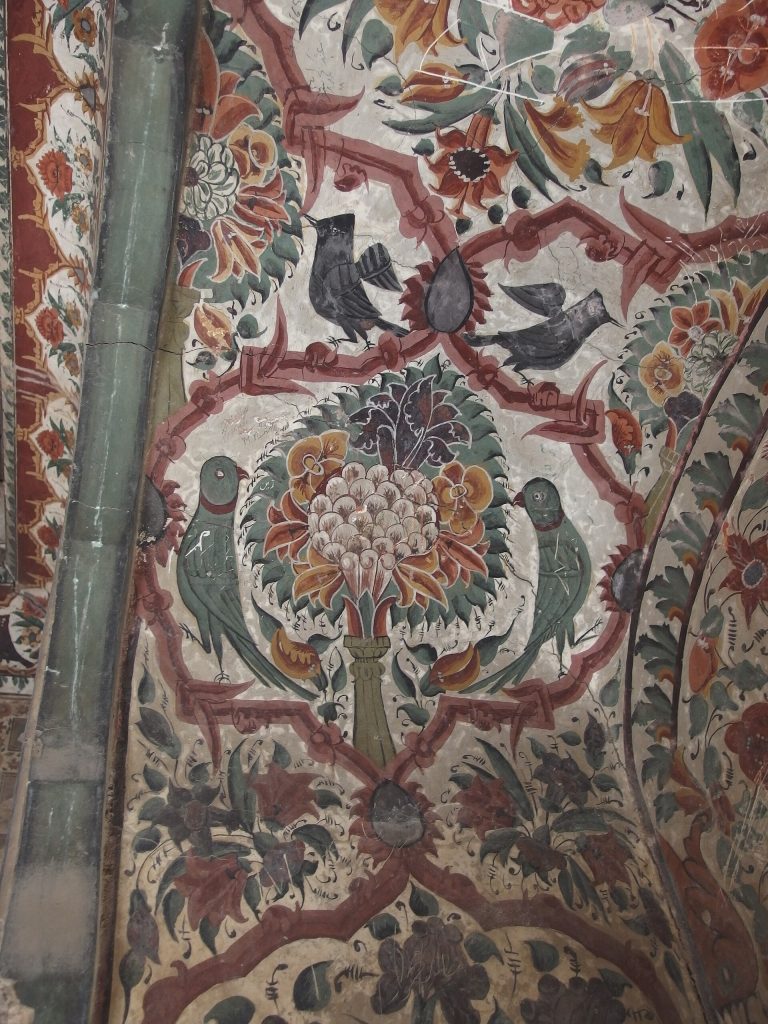 Fort frescoesPainted walls and ceilings inside the fort survive from its time as a royal residence; look up as you walk through the inner rooms.
 Shrine of Shah QalandarA shrine just east of the fort, part of the everyday religious life of the old town.
 Gurdwara Sacha SaudaAt Farooqabad in the district, this gurdwara marks the story of the 'true bargain', when the young Guru Nanak spent money meant for trade on feeding holy men.Nankana SahibThe birthplace of Guru Nanak, founder of Sikhism, and its gurdwaras lie in neighbouring Nankana Sahib District and draw pilgrims from around the world.
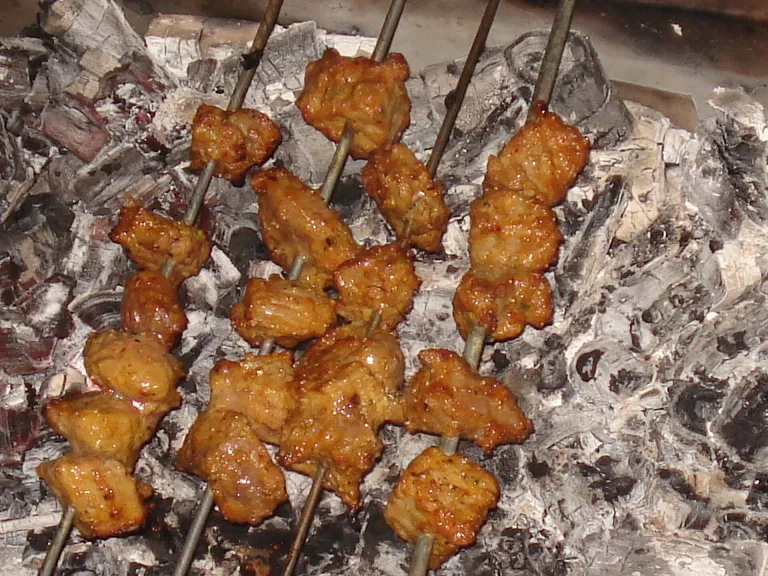
Food
Lahori tastes, a short drive from Lahore.



A Short History of Sheikhupura
1607
Jahangirpura
Jahangir founds the town on his hunting grounds west of Lahore.
1607–1620
Hiran Minar
The deer tower, tank and pavilion are built.
1619
The fort
Sheikhupura Fort is completed.
Late 18th century
Sikh rule
Sikh chiefs hold the area until Maharaja Ranjit Singh takes the fort; it later passes to his son Kharak Singh.
1849
British annexation
Sheikhupura comes under British rule on 29 March 1849; a temporary district headquarters here moves to Gujranwala in 1851.
1920
A district again
Sheikhupura tehsil is raised to district status.
1947
Partition
The district, which had a large Sikh population, suffers severe violence in August 1947, and populations are exchanged across the new border.
2023
Census
The city counts 591,424 people and the district more than 4 million.
Lahore's Industrial Neighbour
Sheikhupura's position on the roads and railway out of Lahore has made it one of Punjab's busiest manufacturing districts. Mills and factories producing food products, textiles and a wide range of other goods line the main roads, and large new estates, including the Quaid-e-Azam Business Park and the Rachna Industrial Park, are being developed to draw further investment.
The countryside around the city remains intensely farmed, with rice and wheat the main crops. That mix of farm and factory gives Sheikhupura its character: busy highways and industrial suburbs on the outside, an old Mughal core and bazaars within.
Getting There and Around
By road
From Lahore
Sheikhupura is linked to Lahore by road, and the Lahore–Islamabad Motorway (M-2) passes close to the city.
By rail
Sheikhupura station
Trains connect Sheikhupura with Lahore and other cities. Check current timetables with Pakistan Railways.
By air
Allama Iqbal International, Lahore
Lahore's airport is the nearest; continue by road.
Local travel
Rickshaws and ride-hailing
Rickshaws and app-based cars are easy to find; hire a car or rickshaw for the trip out to Hiran Minar.
Plan Your Visit
Best time to visit
October to March
Cool weather for walking around the tank at Hiran Minar; avoid the midday heat in summer.
Timing
Early or late
Hiran Minar is loveliest in the soft light of early morning or late afternoon, and quieter on weekdays.
Where to stay
Lahore
Most visitors come on a day trip from Lahore, which has far more accommodation.
Fort access
Check locally
Access to the fort interior can vary with conservation work; check locally before you go.
Sheikhupura Through Time
Every dated moment our guides record about Sheikhupura, from its own history and from national events that touched it. Each entry links to its source page.
- Early 17th century
Mughal hunting grounds
Jahangir builds the Hiran Minar at Sheikhupura, then a royal hunting reserve.
- 1605–1627
Royal hunting ground
Under Jahangir, the Sheikhupura area is used as a royal hunting ground.
- 1907
Railway to Shahdara
Sheikhupura and Shahdara are connected by train in April 1907.
- 1920
Sheikhupura District
Sangla Hill becomes part of the new Sheikhupura District.
Do you remember Sheikhupura as it used to be? Share a memory or an old photo, our editors review every story before it appears.
Frequently Asked Questions
What is the population of Sheikhupura?
The 2023 Census counted 591,424 people in Sheikhupura city and 4,049,418 in Sheikhupura District.
Why was Hiran Minar built?
Emperor Jahangir built the minaret in memory of his pet deer, Mansraj, in the royal hunting grounds at Sheikhupura, together with a large water tank and a pavilion.
Who founded Sheikhupura?
The Mughal emperor Jahangir founded it in 1607. The name comes from his childhood nickname, Shekhu.
How far is Sheikhupura from Lahore?
About 38 km north-west of Lahore, making it an easy day trip.
Is Nankana Sahib in Sheikhupura?
Nankana Sahib, the birthplace of Guru Nanak, was once part of Sheikhupura District but is now the headquarters of its own neighbouring district.
Keep Exploring
Related places and stories on DailyLife.pk
 LahoreLahore travel guide: Badshahi Mosque, Lahore Fort, Shalimar Gardens, the Walled City, food streets, neighbourhoods, metro
 GujranwalaGujranwala city guide: Sheranwala Bagh, Sikh-era heritage, industry, famous siri paye breakfasts, history
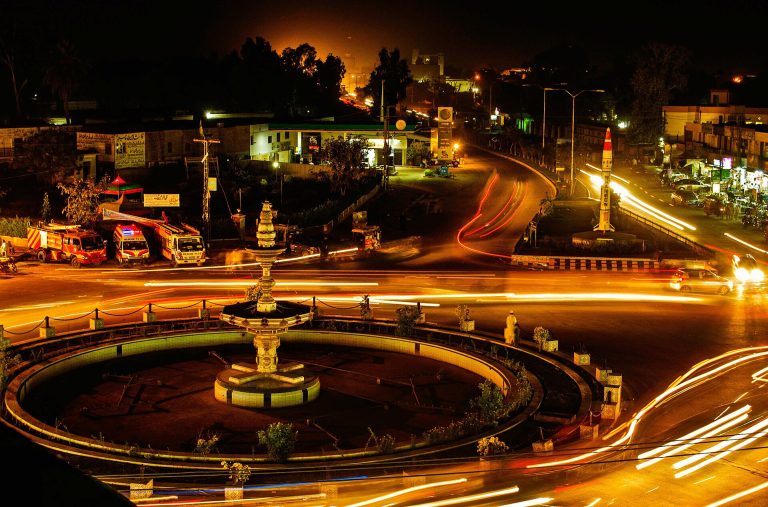 HafizabadHafizabad city guide: Akbar Darwaza and Main Bazaar, Fawara Chowk, the rice trade, Mughal-era founding legends
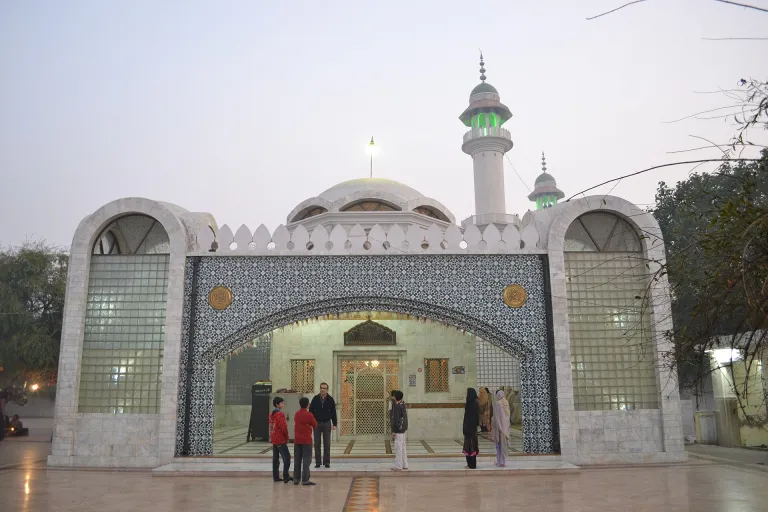 KasurKasur city guide: Bulleh Shah's shrine, Ganda Singh Wala border ceremony, Changa Manga forest, Kasuri faloodaThe Mughal EraThe Mughal Empire in Pakistan: Babur to Aurangzeb, Lahore Fort, Shalamar GardensThe Sikh EmpireThe Sikh Empire in Pakistan: Ranjit Singh's capture of Lahore in 1799, Multan, Peshawar
How we know this
- Type Place guide
- Sources 7 (4 official/academic)
- Reviewed October 2026
- Disputed points None
7 sources
- Table 1: Area, population by sex, sex ratio, density, urban proportion: Punjab districts (Census 2023), Pakistan Bureau of Statistics
- Pakistan: Provinces and Major Cities: 2023 Census, City Population (Thomas Brinkhoff), from PBS data
- Shekhupura, Encyclopaedia Britannica
- History, District Sheikhupura, Government of the Punjab
- District Sheikhupura (Sheikhupura Fort), Government of the Punjab
- Sheikhupura (overview used to locate primary sources), Wikipedia
- Hiran Minar (overview used to locate primary sources), Wikipedia
Photo credits (12)
- Qila Sheikhupura (Sheikhupura fort) @ Pakistan (15298805188).jpg, Guilhem Vellut from Annecy, France, CC BY 2.0, via Wikimedia Commons
- Qila Sheikhupura (Sheikhupura fort) @ Pakistan (15485033962).jpg, Guilhem Vellut from Annecy, France, CC BY 2.0, via Wikimedia Commons
- Fresco @ Qila Sheikhupura (Sheikhupura fort) @ Pakistan (15298452540).jpg, Guilhem Vellut from Annecy, France, CC BY 2.0, via Wikimedia Commons
- Halwa Puri, a traditional food made in Walled City of Lahore.jpg, Tahsin Shah, CC BY-SA 4.0, via Wikimedia Commons
- Tikka Boti.JPG, Miansari66, Public domain, via Wikimedia Commons
- Punjabi Sarsoon Ka Saag.JPG, Miansari66, Public domain, via Wikimedia Commons
- Badshahi Mosque, Lahore VI.jpg, Fassifarooq, CC BY-SA 4.0, via Wikimedia Commons
- Shah Rukn-e-Alam Tomb.jpg, Junaidali88z, CC BY-SA 3.0, via Wikimedia Commons
- Hazuri Bagh Baradari with Lahore Fort in the background.jpg, Drdolittle13, CC BY-SA 3.0, via Wikimedia Commons
- Night View of Badshahi Mosque (King’s Mosque).jpg, Muhammad Ashar, CC BY-SA 3.0, via Wikimedia Commons
- Baradari - Sheranwala Bagh, Gujranwala.jpg, Noorrathore, CC BY-SA 4.0, via Wikimedia Commons
- Chock Fawara.jpg, Arslanbukharii, CC BY-SA 4.0, via Wikimedia Commons
