Vegetable Jalfrezi
سبزی جلفریزی
Stovetop
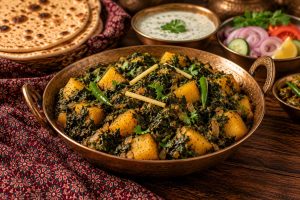
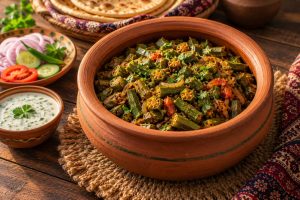
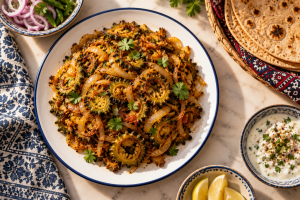
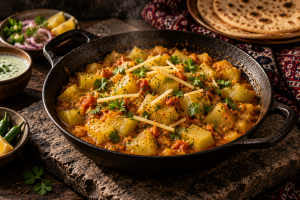
Pakistani-style vegetable jalfrezi with tender potatoes and carrots, bright capsicum and a punchy tomato-spice coating; this home-style version uses fresh rather than frozen vegetables.

One tablespoon = 15 ml; one teaspoon = 5 ml.
About Vegetable Jalfrezi
Pakistani-style vegetable jalfrezi with tender potatoes and carrots, bright capsicum and a punchy tomato-spice coating; this home-style version uses fresh rather than frozen vegetables.
Personally cooked and tested by Zohair Fakhar for DailyLife.pk. Cooking times can vary with your stove, cookware and batch size; follow the texture and doneness cues in the method.
Make it work for your kitchen
Also known as vegetable jalfrezi.
Original quantities serve 4. Cooking times, pan size and frying-oil depth do not scale, cook in extra batches instead.
Before you start
Before you start
Measure and sequence Prepare vegetables and spices, then arrange the pan. Soak or pre-boil longer-cooking ingredients first as specified. No heat Within prep
Set up the equipment
Have the following tools ready before starting: Wide heavy-bottomed lidded frying pan or saucepan; Knife, chopping board, spatula, measuring scale and spoons.
Clean workspaceMeasure the ingredients
Measure the ingredient quantities for your selected servings before applying heat. Keep separately listed groups, such as dough, filling, sauce or garnish, in separate containers; keep any optional additions separate.
Use the ingredient list aboveCheck allergens and substitutions
Check ingredient labels and any substitutions against these notes: No major allergens intentionally added; packaged ketchup may contain allergens, check label.
Before cooking
Step-by-step cooking method
1 Prep firm and tender vegetables
Peel and cut 250 g potatoes and 180 g carrots into even pieces.
2 Prep firm and tender vegetables (continued)
Drain 120 g peas; separately cut 180 g capsicum, 140 g onion and 140 g tomato.
3 Begin aromatics
Heat 30 g oil in a wide lidded pan over medium heat. Sizzle 4 g cumin briefly; add onion and sauté 4–6 minutes until translucent. Stir in 12 g ginger and 15 g garlic for 45–60 seconds.
4 Concentrate tomato base
Stir in 110 g tomato purée, 5 g ground coriander, 2 g turmeric, 2 g pepper, 2 g chilli powder and 7 g salt.
5 Concentrate tomato base (continued)
Cook 3–4 minutes until thick and fragrant, stirring so nothing catches.
6 Soften potatoes and carrots
Toss potato and carrot through masala. Add about 110 ml of the measured 150 ml water, bring to a simmer and cover over medium-low heat for 10–13 minutes, until nearly tender. Add only some reserved water if needed.
7 Add peas and crisp vegetables
Add peas and capsicum; cook covered 3–4 minutes, then uncovered with diced tomato for 2–3 minutes. Capsicum should remain just tender and bright, and potatoes fork-tender.
8 Balance and finish
Stir through optional 25 g ketchup and 3 g garam masala. Cook uncovered 1–2 minutes until vegetables are coated rather than swimming in gravy; top with optional 15 g coriander.
Chef’s tips
- Vegetable Jalfrezi should retain recognizable, lively vegetable pieces. Give potato and carrot a head start and add capsicum near the end; increase pan size rather than piling vegetables deeply.
- Use a wide pan and check texture rather than treating times as a guarantee.
Common mistakes & quick fixes
- Soft collapsed peppers
- Add capsicum only after potatoes are almost tender.
- Burned tomato base
- Reduce heat and use a splash of reserved water.
- Thin watery sauce
- Cook uncovered at the end and avoid adding all the measured water at once.
Variations & serving ideas
Variation: Adjust chilli to taste.
Variation: Serve with roti or rice; accompaniments excluded from nutrition.
Perfect result check
| Check | Potato and carrot cooked through; capsicum with a little bite; glossy, spiced tomato coating and no pool of liquid. |
|---|
Storage & reheating
| Cooling | Transfer to shallow containers promptly and refrigerate within 2 hours (1 hour if ambient temperature exceeds 32°C). | |
|---|---|---|
| Refrigerator | 3–4 days | Store at 4°C or colder; use most cooked leftovers within 3–4 days. Freeze portions promptly for longer keeping. |
| Reheating | Reheat thoroughly to 74°C / 165°F. Reheat moist gravies until bubbling throughout. |
Know when to change the heat
| Stage | Heat | What to look for |
|---|---|---|
| Cook the tomato masala | Medium to medium-low heat | Onion should soften without scorching. Stir the tomato purée and spices until thick and fragrant; reduce the heat if they catch. |
| Soften firm vegetables, then finish | Medium-low covered; medium uncovered finish | Potato and carrot should be nearly tender before adding peas and capsicum. Finish uncovered until the vegetables have a glossy coating with no pool of liquid. |
Helpful answers before you cook
How do I know it is ready?
Potato and carrot cooked through; capsicum with a little bite; glossy, spiced tomato coating and no pool of liquid.
Why are the potatoes hard when the peppers are already soft?
Potato and carrot need their head start before the peas and capsicum go in. Cut them evenly and check that they are nearly tender after the covered stage. If still firm, continue that stage with a little reserved water before adding the quicker-cooking vegetables.
Do I have to add ketchup?
No. Ketchup is an optional tangy-sweet finish in this version. Taste the cooked tomato base before adding it, and check the packaged label for allergens. The plain tomato purée and fresh tomato remain part of the base recipe.
Can I make it ahead?
Yes, but capsicum will soften on reheating. For better texture, prepare the potato-carrot masala ahead, cool and refrigerate promptly, then reheat thoroughly before finishing with the quicker-cooking vegetables. Keep the original storage clock for the prepared base.