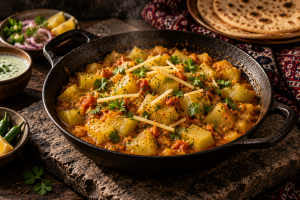
Mixed Vegetables
مکس سبزی
Stovetop
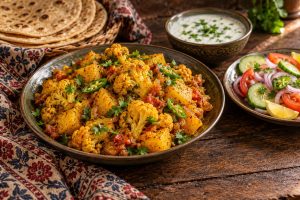
Pakistani mixed sabzi of potatoes, cauliflower, peas, carrots and green beans coated in a reduced onion-tomato masala.

One tablespoon = 15 ml; one teaspoon = 5 ml.
About Mixed Vegetables
Pakistani mixed sabzi of potatoes, cauliflower, peas, carrots and green beans coated in a reduced onion-tomato masala.
Personally cooked and tested by Zohair Fakhar for DailyLife.pk. Cooking times can vary with your stove, cookware and batch size; follow the texture and doneness cues in the method.
Make it work for your kitchen
Also known as mixed vegetables.
Original quantities serve 4. Cooking times, pan size and frying-oil depth do not scale, cook in extra batches instead.
Before you start
Before you start
Measure and sequence Prepare vegetables and spices, then arrange the pan. Soak or pre-boil longer-cooking ingredients first as specified. No heat Within prep
Set up the equipment
Have the following tools ready before starting: Wide heavy-bottomed lidded frying pan or saucepan; Knife, chopping board, spatula, measuring scale and spoons.
Clean workspaceMeasure the ingredients
Measure the ingredient quantities for your selected servings before applying heat. Keep separately listed groups, such as dough, filling, sauce or garnish, in separate containers; keep any optional additions separate.
Use the ingredient list aboveCheck allergens and substitutions
Check ingredient labels and any substitutions against these notes: No major allergens intentionally included; check packaged spice cross-contact
Before cooking
Step-by-step cooking method
1 Wash and cut evenly
Wash all vegetables.
2 Wash and cut evenly (continued)
Prepare 280 g potato, 200 g carrot, 250 g cauliflower, 170 g beans and 160 g peas as described; keep cauliflower and peas separate for later addition.
3 Soften onion and aromatics
Heat 35 g oil in a wide lidded pan on medium. Bloom 4 g cumin 20 seconds, then fry 150 g onion 6–8 minutes. Add 15 g garlic and 12 g ginger, and stir 1 minute.
4 Reduce the masala
Add 220 g tomatoes, 2 g turmeric, 5 g ground coriander, 2 g chilli powder and 8 g salt.
5 Reduce the masala (continued)
Cook 5–7 minutes uncovered until softened into a thick masala.
6 Give firm vegetables a head start
Add potato and carrot and stir to coat. Add 80 ml from the measured 130 ml water, cover and cook over medium-low for 7–9 minutes, stirring once and checking the bottom.
7 Add cauliflower and beans
Add cauliflower florets and beans, fold carefully and cover 5–7 minutes, adding a little of the remaining measured water only if the base is dry. Potato should become close to fork-tender without losing shape.
8 Finish with peas and coriander
Add peas, cover 3–5 minutes until heated and tender; uncover for 2–3 minutes to evaporate surplus moisture. Check potato and carrots with a fork; add optional 20 g coriander off heat.
Chef’s tips
- Use similar-sized pieces but stagger additions: firm potatoes and carrots need a head start, while cauliflower and peas can overcook quickly.
- Use a wide pan and check texture rather than treating times as a guarantee.
Common mistakes & quick fixes
- Mushy cauliflower
- Add florets after potatoes start to soften.
- Hard carrots
- Cut carrots smaller or extend covered cooking briefly.
- Watery finish
- Cook uncovered at the end to reduce moisture.
Variations & serving ideas
Variation: Adjust chilli to taste.
Variation: Serve with roti or rice; accompaniments excluded from nutrition.
Perfect result check
| Check | Vegetables fork-tender but still identifiable, with a fragrant masala clinging to pieces instead of a thin gravy. |
|---|
Storage & reheating
| Cooling | Transfer to shallow containers promptly and refrigerate within 2 hours (1 hour if ambient temperature exceeds 32°C). | |
|---|---|---|
| Fridge | 3–4 days | Store at 4°C or colder and use within 3–4 days. Freeze portions promptly for longer storage; cauliflower and potatoes may soften after thawing. |
| Reheating | Reheat thoroughly to 74°C / 165°F. Reheat moist gravies until bubbling throughout. |
Know when to change the heat
| Stage | Heat | What to look for |
|---|---|---|
| Aromatics and tomato masala | Medium heat | Onion should soften and the tomato reduce to a thick coating. Stir and reduce heat if the spices catch. |
| Vegetable steaming | Medium-low heat | Keep the pan covered for gentle steaming, checking the base for dryness. Uncover at the end to evaporate excess moisture once the firm vegetables are tender. |
Helpful answers before you cook
How do I know it is ready?
Vegetables fork-tender but still identifiable, with a fragrant masala clinging to pieces instead of a thin gravy.
Why are some vegetables soft while the potatoes are still firm?
Cut the potatoes and carrots evenly and start them first. Add cauliflower and beans later, then peas near the end. Check a potato cube with a fork before finishing; continue gently with a small splash of reserved water if the base is dry.
How do I stop mixed sabzi turning watery?
Use a wide pan and add the measured water in small portions only when needed for steaming. Once the vegetables are tender, uncover briefly so extra moisture evaporates. Fold gently to keep the cauliflower and potatoes intact.
Can I make it ahead?
Yes; cool promptly, refrigerate safely and reheat thoroughly. Texture may soften after storage.