Dal Pakwan
دال پکوان
Stovetop chana dal with crisp fried pakwan
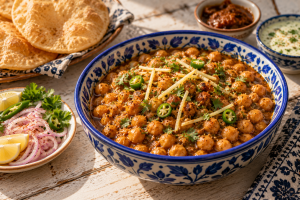
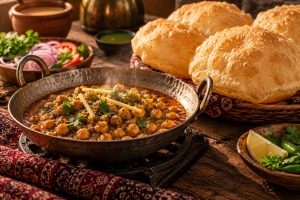
Sindhi breakfast pairing of mildly spiced chana dal with crisp, thin, fork-pricked fried pakwan breads. The dal remains soft but partly intact; the pakwan is deliberately crisp rather than puffy. This is one practical household-style interpretation.

The approximate 210-minute total includes the 2-hour dal soak. Mix and rest the pakwan dough during that soaking time. Organising and rolling can overlap the dal simmer; frying time depends on pan size and how many pakwans fit safely in each batch. One tablespoon = 15 ml; one teaspoon = 5 ml.
About Dal Pakwan
Sindhi breakfast pairing of mildly spiced chana dal with crisp, thin, fork-pricked fried pakwan breads. The dal remains soft but partly intact; the pakwan is deliberately crisp rather than puffy. This is one practical household-style interpretation.
Personally cooked and tested by Zohair Fakhar for DailyLife.pk. Cooking times can vary with your stove, cookware and batch size; follow the texture and doneness cues in the method.
Make it work for your kitchen
Also known as Sindhi Dal Pakwan, Daal Pakwan.
Original quantities serve 4. Cooking times, pan size and frying-oil depth do not scale, cook in extra batches instead.
Before you start
Before you start
Measure the dal and dough ingredients separately, including their separate salt amounts. Rinse the chana dal, soak in plenty of fresh water for 2 hours, then drain and discard the soaking water. During the soak, combine both flours with ajwain, the dough salt and dough oil; add the measured dough water gradually and knead until firm. Cover and rest for 20 minutes. Prepare the optional toppings and set a wire rack over a tray for draining the fried pakwan.
Set up the equipment
Have the following tools ready before starting: Medium covered pot for dal; Mixing bowl and rolling pin; Deep heavy frying pot and thermometer; Slotted spoon and rack over tray.
Clean workspaceMeasure the ingredients
Measure the ingredient quantities for your selected servings before applying heat. Keep separately listed groups, such as dough, filling, sauce or garnish, in separate containers; keep any optional additions separate.
Use the ingredient list aboveCheck allergens and substitutions
Check ingredient labels and any substitutions against these notes: Wheat/gluten; possible chutney allergens; check frying-oil cross-contact
Before cooking
Step-by-step cooking method
1 Simmer soaked dal
Put the drained soaked chana dal in a pot with the measured fresh dal water, turmeric and half the salt listed in the Dal ingredient group. Keep the separate pakwan-dough salt for the dough.
2 Simmer soaked dal (continued)
Bring to a boil, skim, partially cover and simmer for about 30–40 minutes, stirring occasionally and adding hot water only as needed. The grains should crush easily with a spoon while some remain distinct.
3 Finish the tempering
Warm the measured tempering oil in a small pan. Add the cumin seeds and grated ginger and let them sizzle for about 30 seconds, then stir in the red chilli powder for a few seconds without burning it.
4 Finish the tempering (continued)
Fold this tempering through the cooked dal. Add the remaining salt allocated to the Dal ingredient group gradually, tasting before adding it all.
5 Roll and dock the pakwan
Divide the rested dough into two balls per person selected in the serving control. Roll each to about 15 cm across and 2 mm thick. Pierce the entire surface with a fork so the breads stay relatively flat.
6 Heat frying oil
Heat the frying oil in a deep heavy pot to about 165–175°C. Use a working depth that allows the bread to fry safely, leaving ample headroom; never fill the pot more than halfway with oil. This oil is a cooking medium, not an amount to divide among servings.
7 Fry crisp in small batches
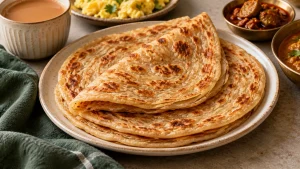
Slide one or two pakwans in carefully, keeping the pot uncrowded. Fry about 2–3 minutes per side, turning once, until evenly golden and crisp. Adjust the heat to maintain moderate bubbles, then drain on the rack. Repeat with all the shaped breads.
8 Plate separately for crunch
Divide the dal among the selected number of servings and serve with two pakwans per person. Add the optional onion, coriander and tamarind chutney at the table. Keep the breads separate from the dal until eating so they stay crisp.
Chef’s tips
- Use a thermometer; pakwan darkening before drying suggests oil too hot.
- Cook dal ahead for easier morning service but fry pakwan close to eating.
- Pakwan can be stacked only after fully cool, or trapped steam softens it.
Common mistakes & quick fixes
- Pakwan puffs like puri
- Dock it more thoroughly and roll thin.
- Pakwan is soft or oily
- Lower oil temperature and longer draining; keep frying in uncrowded batches.
- Dal is pasty
- Stop cooking once tender but still partially textured.
Variations & serving ideas
More tang: Offer chutney separately and calculate optional nutrition.
Spicier dal: Increase chilli gradually, preserving other ratios.
Flour blend: All-maida is an option but needs a separate dough absorption check.
Perfect result check
| Dal and pakwan | The dal grains crush easily with a spoon, while the pakwan is evenly golden and crisp with no raw dough at the centre. |
|---|---|
| Serving | Divide the dal among the selected servings with two pakwans per person; keep optional toppings and chutney separate until eating. |
Storage & reheating
| Cooling the dal | Transfer cooked dal to shallow containers and refrigerate within 2 hours, or within 1 hour if the room is above 32°C. Keep the fried breads separate. | |
|---|---|---|
| Fridge | 3–4 days | Keep the dal covered at 4°C or colder and use within 3–4 days. Store completely cooled, dry pakwan separately from the dal and fresh toppings; discard bread that becomes damp or shows mould. |
| Freezing the dal | Freeze cooled dal promptly in meal-sized containers. Thaw in the refrigerator and reheat thoroughly. Keep pakwan separate: freezing and thawing can reduce its crisp texture. | |
| Reheating | Reheat dal to 74°C / 165°F, stirring and checking the centre. Recrisp the breads separately in a dry oven, watching closely to avoid scorching. |
Know when to change the heat
| Stage | Heat | What to look for |
|---|---|---|
| Simmer soaked dal | Medium then low heat | Keep a gentle simmer with small bubbles; the grains should soften without the pot boiling dry. |
| Finish the tempering | Medium then low heat | Cumin should sizzle and become fragrant, while ginger loses its raw smell; lower the heat before the chilli powder scorches. |
| Roll and dock the pakwan | No heat | The dough should roll evenly and hold fork holes without sticking or tearing. |
| Heat frying oil | Medium heat | Check the oil with a suitable thermometer; if it smokes, turn off the heat and let it cool. |
| Fry crisp in small batches | Medium heat | Moderate bubbles should surround each bread; reduce the heat if it browns before becoming crisp. |
| Plate separately for crunch | No heat | The dal should be spoonable, with dry crisp breads beside it until serving. |
Helpful answers before you cook
Is dal pakwan a puri dish?
No. Pakwan is rolled thin, pierced and fried until crisp rather than intentionally puffed.
Why did my pakwan puff up?
Prick the rolled dough all over with a fork before frying, including the centre and edges. Roll to an even thinness; a thick or undocked patch can trap steam and puff.
How thick should the dal be?
Aim for tender grains in a thick, spoonable dal, with some grains still distinct. If it is watery, simmer uncovered briefly; if it becomes stiff, stir in a little hot water. It should sit beside the crisp pakwan without flooding the plate.
Can I prepare the components ahead?
Cook and chill the dal separately, then reheat it thoroughly before serving. Cool fried pakwan completely on a rack before storing it separately in a dry airtight container. Add chutney and fresh toppings only when serving.