Bathua Saag
بتھوے کا ساگ
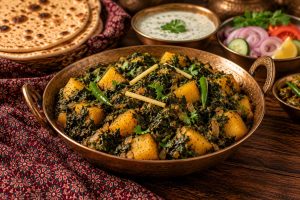
Bathua and spinach with an onion, garlic and tomato tarka
Seasonal Punjabi-style bathua (lamb’s quarters) greens gently simmered with spinach and finished with fragrant garlic tarka.

One tablespoon = 15 ml; one teaspoon = 5 ml.
About Bathua Saag
Seasonal Punjabi-style bathua (lamb’s quarters) greens gently simmered with spinach and finished with fragrant garlic tarka.
Personally cooked and tested by Zohair Fakhar for DailyLife.pk. Cooking times can vary with your stove, cookware and batch size; follow the texture and doneness cues in the method.
Make it work for your kitchen
Also known as bathua saag.
Original quantities serve 4. Cooking times, pan size and frying-oil depth do not scale, cook in extra batches instead.
Before you start
Before you start
Measure and sequence Prepare vegetables and spices, then arrange the pan. Soak or pre-boil longer-cooking ingredients first as specified. No heat Within prep
Set up the equipment
Have the following tools ready before starting: Wide heavy-bottomed lidded frying pan or saucepan; Knife, chopping board, spatula, measuring scale and spoons.
Clean workspaceMeasure the ingredients
Measure the ingredient quantities for your selected servings before applying heat. Keep separately listed groups, such as dough, filling, sauce or garnish, in separate containers; keep any optional additions separate.
Use the ingredient list aboveCheck allergens and substitutions
Check ingredient labels and any substitutions against these notes: No major allergens intentionally included if vegetable oil used; ghee contains milk
Before cooking
Step-by-step cooking method
1 Identify, sort and wash bathua
Use only food-grade identified 700 g cultivated bathua; trim tough stems, wash in repeated clean water until grit is gone.
2 Identify, sort and wash bathua (continued)
Wash 220 g spinach and drain both thoroughly.
3 Wilt and simmer greens
Add greens, 12 g ginger and about 120 ml from measured 180 ml water to a heavy pot. Cover and cook over medium-low 12–16 minutes until all leaves and tender stems are soft, stirring and checking pan moisture.
4 Mash to a rustic texture
Uncover and mash the softened leaves with a potato masher or pulse briefly, leaving some texture; simmer a further 3–4 minutes to remove excess moisture.
5 Prepare the tarka
In a separate pan heat 30 g oil or ghee, bloom 4 g cumin 20 seconds.
6 Prepare the tarka (continued)
Fry 140 g onion 6–8 minutes until light gold; add 18 g garlic and optional 10 g chilli for 1 minute.
7 Reduce tomato masala
Stir in 130 g tomatoes, 1 g turmeric and 7 g salt. Cook uncovered 5–7 minutes until tomatoes break down; add only remaining measured water if sticking.
8 Bring greens and masala together
Fold mashed greens into masala and cook together 4–6 minutes on low. Stir to a cohesive, moist but not watery finish; taste for salt and serve.
Chef’s tips
- Bathua is a specific leafy green, not a synonym for spinach. Buy reliably identified edible bathua; do not substitute unidentified gathered weeds.
- Use a wide pan and check texture rather than treating times as a guarantee.
Common mistakes & quick fixes
- Grit in saag
- Wash leaves in several changes of water.
- Watery finish
- Drain leaves well and simmer uncovered at end.
- Unknown plant material
- Use purchased, verified edible bathua only.
Variations & serving ideas
Variation: Adjust chilli to taste.
Variation: Serve with roti or rice; accompaniments excluded from nutrition.
Perfect result check
| Check | Tender, lightly textured earthy greens with cooked-through stems and aromatic garlic-tomato finish. |
|---|
Storage & reheating
| Cooling | Refrigerate promptly | Transfer to shallow containers promptly and refrigerate within 2 hours (1 hour if ambient temperature exceeds 32°C). |
|---|---|---|
| Fridge | 3–4 days | Keep at 4°C or below and use within 3–4 days. Freeze promptly cooled portions in sealed containers for longer keeping and thaw in the fridge before reheating. |
| Reheating | Reheat throughout to 74°C/165°F, checking the centre with a food thermometer. Stir often to heat dense greens evenly; add a small splash of water if needed to prevent sticking. |
Know when to change the heat
| Stage | Heat | What to look for |
|---|---|---|
| Soften the greens | Medium-low, covered | Leaves and tender stems soften in a little moisture. Check the base and stir; add only enough water to prevent catching. |
| Masala and final simmer | Medium for masala, then low | Reduce the tomatoes before adding mashed greens. Stir the combined saag gently until cohesive and moist, with no pool of loose water. |
Helpful answers before you cook
How do I know it is ready?
The leaves and tender stems should be soft before mashing, with no gritty residue from washing. After combining with the masala, the saag should be cohesive and moist rather than watery. If a stem remains tough, remove it or continue gentle cooking with a little moisture; do not rely on the clock alone.
Do I need to blend the saag completely smooth?
No. This method uses a potato masher or brief pulses so some leaf texture remains. Cook the greens until tender first. If using a blender, follow its instructions for hot food and avoid filling a sealed vessel with steaming greens. A smoother finish is a texture choice, not a substitute for tender stems.
Why cook the greens and masala separately?
The greens need moisture to soften, while the onion-tomato base needs time to reduce. Cooking them separately lets you control both stages, then combine the mashed greens with a concentrated masala. If the finished saag is loose, simmer uncovered gently and stir often instead of adding extra fat.
Can I make it ahead?
Yes. Divide into shallow containers and refrigerate promptly. Reheat only what you plan to serve, stirring so the dense greens heat evenly. A small splash of water can loosen saag that has thickened in the fridge. Freeze promptly cooled portions for longer keeping and thaw in the fridge.